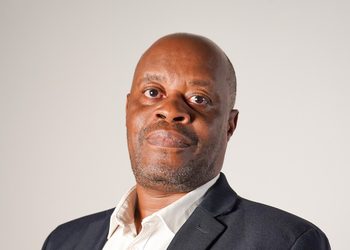
By Frieda Nangolo
We are living in a time when technology is changing almost everything about how we work. Artificial intelligence can write reports, analyse information, generate ideas and perform tasks that once required considerable human effort.
Organisations are investing in digital systems, automation and new technologies to improve efficiency and remain competitive.
Yet, amid all this progress, I find myself returning to one important question: as technology becomes more capable, what will make us valuable as human beings in the workplace?
For years, we have associated professional success with academic qualifications, technical expertise and experience.
We are encouraged to study, acquire knowledge and develop the skills required for our chosen professions. While these remain important, the changing world of work is challenging us to look beyond what people know and consider how they think, communicate, collaborate and respond to change.
Perhaps the future of work is not only about what technology can do, but also about what people must learn to do better.
Recently, I attended a panel discussion on soft skills and navigating the corporate world. The conversation touched on emotional intelligence, leadership, constructive feedback and the importance of creating healthy workplace environments.
As I listened to the panellists, I was struck by how closely these discussions connected with issues I have previously explored through my writing.
It was encouraging to hear professionals emphasise that leaders must continuously develop themselves, that feedback should be viewed as an opportunity for growth, and that technical competence alone is not enough to navigate the complexities of the workplace.
That discussion reminded me that although we often refer to communication, emotional intelligence, adaptability and teamwork as soft skills, there is nothing insignificant about their impact. These are the capabilities that influence how people relate to one another, resolve disagreements, make decisions and contribute to organisational success.
An employee may possess excellent technical knowledge, but if they struggle to communicate, resist feedback or cannot work effectively with others, their ability to contribute meaningfully to a team may be limited.
Consider two employees with similar qualifications and professional experience. Both understand their responsibilities and can perform their assigned tasks.
However, one struggles to accept constructive criticism, avoids collaboration and becomes defensive when challenged, while the other listens, adapts and remains open to learning.
Although their technical abilities may be comparable, their contributions to the wider organisation can be very different. This is why professional competence should never be measured through qualifications and technical knowledge alone.
The rise of artificial intelligence makes this distinction even more important. When technology can assist with writing, analysing data and organising information, the value of human judgement becomes increasingly significant.
AI may generate an answer or recommendation, but someone still needs to question its accuracy, consider the context and determine whether it is appropriate.
Technology can support decision-making, but it does not remove the responsibility people have to think critically, act ethically and understand the consequences of their decisions.
Adaptability is another capability that deserves greater attention. The days when employees could depend entirely on the knowledge acquired during their formal education are increasingly behind us.
New technologies, changing organisational priorities and evolving professional expectations require continuous learning. Employees must be willing to question familiar practices, acquire new competencies and remain open to different ways of working. In this environment, the willingness to learn may become just as important as the knowledge someone already possesses.
However, we cannot continue expecting employees to demonstrate these capabilities while overlooking the environments in which they work. Organisations often list communication, teamwork, adaptability and problem-solving among the qualities they expect from employees.
Yet, how much effort do they invest in developing them? How often are employees given opportunities to practise these skills, receive constructive feedback, learn from mistakes or participate in meaningful conversations about their professional growth?
This is where leadership becomes particularly important. A manager who communicates poorly, discourages questions or responds harshly to mistakes cannot reasonably expect employees to demonstrate openness, creativity and confidence.
Similarly, organisations cannot claim to value collaboration while maintaining cultures where people are afraid to express different opinions.
The development of soft skills requires more than training workshops. It requires leaders who model the behaviours they expect and workplace environments that encourage learning, trust and mutual respect.
From an Organisational Learning and Development perspective, this is an important distinction. Developing employees is not simply about equipping them with the technical knowledge needed to perform their duties.
It is also about strengthening their ability to think independently, communicate effectively, navigate uncertainty and learn from everyday experiences. A learning organisation recognises that growth happens not only during formal training sessions, but also through feedback, mentoring, collaboration, reflection and the willingness to challenge existing ways of doing things.
For Namibia, this conversation is particularly relevant as we continue to pursue economic development, digital transformation and the aspirations of Vision 2030. Preparing people for the future of work should not be limited to expanding access to education and technological skills.
We must also pay attention to the human capabilities that allow individuals to apply their knowledge effectively, adapt to changing demands and contribute positively to the organisations they serve.
Educational institutions, employers and professional development organisations all have a responsibility to create opportunities for these capabilities to develop.
Perhaps we also need to reconsider how we prepare young professionals for employment. We often place considerable emphasis on obtaining qualifications, gaining experience and developing technical competencies, but entering the workplace introduces challenges that cannot always be addressed through academic knowledge alone.
Learning how to receive feedback without taking it personally, communicate across different personalities, manage workplace relationships and remain professional under pressure are equally important parts of career development. These are not lessons that should be left entirely to chance.
None of this suggests that technical skills are becoming irrelevant. The future will require people who can combine technical expertise with strong interpersonal, analytical and adaptive capabilities.
An employee who understands technology but cannot collaborate may struggle to contribute effectively to a team. Equally, an employee with excellent communication skills but insufficient technical competence may struggle to meet the demands of their role. The real opportunity lies in developing both.
As organisations embrace new technologies, we should therefore be careful not to measure progress only by the systems we introduce or the processes we automate. We should also ask whether our employees are becoming better communicators, more thoughtful decisionmakers, more adaptable learners and more effective collaborators.
After all, technological advancement means little if the people expected to use those technologies are not equally supported to grow.
The future of work will undoubtedly look different from the workplaces we know today. Jobs will evolve, new skills will emerge and technology will continue to reshape how organisations operate. But amid these changes, one thing remains clear: organisations will still depend on people who can think, learn, lead and work together.
The future of work may be powered by technology, but it will still be shaped by people.