…MPs accuse NAMFISA of weak oversight
Micro-lenders in the Omaheke Region are allegedly charging interest rates of between 50% and 100%, with some operating outside Namibia’s regulatory framework, according to concerns raised during a parliamentary public hearing in Gobabis.
Members of the Parliamentary Standing Committee on Economics and Public Administration said the practices are worsening household debt and exposing weaknesses in the oversight of registered and unregistered micro-lenders.
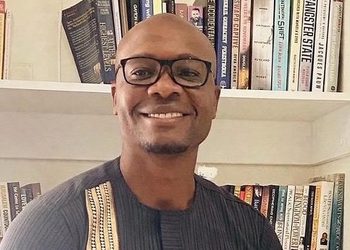
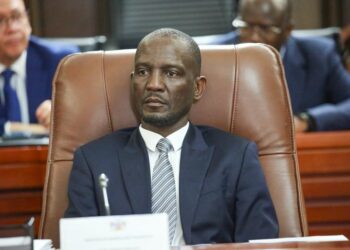
Speaking during the hearing on household debt and lending practices, committee member and Member of Parliament George Kambala said the committee had identified serious concerns about compliance in the micro-lending sector.
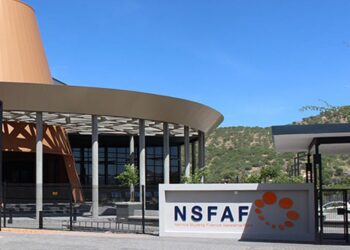
“We came to realise that there is a serious crisis in terms of micro-lenders breaking their own regulations. We have realised that the issue of NAMFISA not doing much oversight for micro-lenders, both registered and unregistered,” Kambala said.
He said low-income earners, particularly those earning less than N$10,000 a month, were struggling to access mainstream financial services, leaving some dependent on alternative lenders.
Kambala also raised concerns about pensioners supporting grandchildren and foster children, saying they were particularly vulnerable to financial pressure and indebtedness.
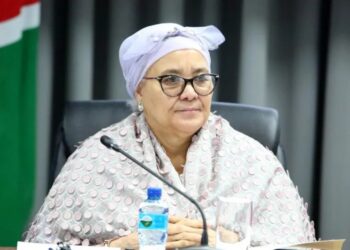
Fellow committee member Michael Mulunga said residents had raised concerns about the number of unregistered micro-lenders operating outside Namibia’s legal framework.
“Community members came out in big numbers, and they raised the issues from their hearts, the problems that they are faced with currently with the micro-lenders, especially that they have a lot of micro-lenders that are not registered, and not operating within the frameworks of the Namibian laws,” Mulunga said.
He said households were increasingly turning to borrowing as stagnant incomes struggled to keep pace with rising living costs.
“Some of the issues that came out are that these micro-lenders are charging high interest rates, some of which go up to 50% to 100%, which makes it very, very difficult for community members to survive,” Mulunga said.
The committee warned that high borrowing costs, weak enforcement and limited access to formal financial services could deepen household indebtedness and undermine efforts to improve financial inclusion.
Lawmakers said changes to consumer protection and banking legislation may be required to strengthen oversight and close regulatory gaps in the lending market.
The Gobabis hearing forms part of a parliamentary process examining household debt and whether existing laws adequately protect consumers from potentially abusive practices by formal and informal micro-lenders.
The committee is expected to use submissions gathered during the hearings to make recommendations on possible legislative and regulatory reforms.