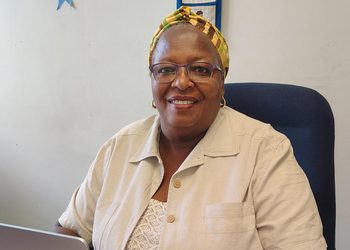
By Fatima Santana
For a long time, I thought the word “junior” was an instruction.
Support. Execute. Learn. Wait your turn.
I believed that the bigger conversations belonged to people with bigger titles. Strategy was for managers. Commercial decisions were for senior leaders. My role was to support what had already been decided and ensure it was executed well.
The irony is that I was burning with ideas.
I could see opportunities for the brands I worked on. I had opinions on what we could do differently. But somewhere between having the idea and sitting in the meeting, I convinced myself that it was not my place to speak.
What if my idea was not good enough? What if I sounded inexperienced?
So, I made myself small.
The shift
Interestingly, the shift did not start at work.
During a period of personal coaching, I began reflecting more honestly on how I was showing up professionally. I recognised a pattern. I was comfortable sharing ideas in smaller, safer spaces, but hesitant to own those same ideas in bigger rooms.
I wanted my contribution to be recognised, yet I was not consistently giving myself the opportunity to be seen contributing.
That realisation was uncomfortable, but it was also freeing.
If I wanted to grow, I had to start showing up differently.
Choosing to step forward
One of the most important steps I took was having an honest conversation with my manager about wanting to contribute more.
Speaking up when you are used to holding back can feel like overstepping.
But the response created a shift.
I was given more opportunities to share my thinking. I was invited into more strategic conversations. I was encouraged to stretch beyond the responsibilities I had previously associated with my title.
And as I stepped forward, something else happened.
The more I contributed, the more I was trusted to contribute.
Confidence is built, not waited for
I used to believe that confidence comes before responsibility.
That once I felt ready, I would take on bigger challenges.
In reality, confidence came after I stepped into things that felt uncomfortable.
There were areas I had previously avoided because they felt too senior. Budget management. Pricing strategy. Business cases. These felt like responsibilities reserved for more experienced professionals.
Then I started leaning into them.
Not because I had all the answers, but because I was willing to learn.
I asked questions. I did the homework. I paid attention to how decisions were made. I allowed myself to be a beginner in spaces that intimidated me.
Over time, what once felt overwhelming became part of how I contribute.
Today, I have led consumer research, contributed to portfolio decisions and led brand repositioning projects. These experiences have deepened my understanding of both brand building and the commercial realities behind it.
My title did not have to change before my contribution did.
Rethinking what “junior” means
Being junior can make seniority look like certainty.
You assume that the people above you have all the answers.
Working more closely with teams and leadership has shown me something different: strong teams are built on shared contribution.
There are areas where I rely on the experience and guidance of those around me. And there are areas where my perspective is actively sought and valued.
That is what growth in a healthy environment looks like.
It also reinforced something important for me.
Being junior does not mean being invisible.
A mindset, not a limitation
Looking back, my title was not the main thing holding me back.
My interpretation of it was.
I had created boundaries around what I believed I was allowed to contribute to, simply because I was early in my career.
There is nothing wrong with being junior. It is a season of learning, and experience matters.
But having more to learn does not mean having nothing to contribute.
Especially in marketing, where understanding people, culture and behaviour matters, valuable insight can come from anywhere in the team.
The responsibility, then, is to make that contribution meaningful.
Learn the skills.
Do the homework.
Ask questions.
Build relationships and earn trust.
Work on how you communicate your thinking.
Take on challenges that feel uncomfortable.
And when you have something valuable to contribute, say it.
I am still learning. I am still growing. There are still rooms that challenge me.
But I no longer believe I have to wait for a different title before I start becoming the professional I aspire to be.
Because “just a junior” is not a position.
It is a mindset.
And mindsets can change long before job titles do.
*Fatima Santana is a Brand Marketing professional in the FMCG sector, with experience leading consumer research and brand repositioning projects. Her work sits at the intersection of brand strategy, consumer understanding and commercial impact. She writes about building brands in African markets and what it means to grow into leadership early in your career.