By Mwangala Nalisa & Petrina Kapewangolo
Cancer touches nearly every family in some way. Whether through a parent, spouse, sibling, friend, or colleague, many of us have experienced the uncertainty, hope, and heartbreak that often accompany a cancer diagnosis.
For one of us, that experience became deeply personal when a family member underwent surgery for Stage IV colon cancer and passed away only weeks later.
Like many families’ facing cancer, we were left with questions about the factors that influence patient outcomes and recovery following treatment.
Those questions became the starting point for a conversation between the two of us. As researchers with a shared interest in cancer biology and patient outcomes, we began exploring an area of cancer research that has received increasing attention internationally but remains largely unknown to the public: the role of the perioperative period (the days and weeks before, during, and after surgery) in influencing cancer progression and metastasis.
That discussion ultimately led to our recently published review article, Effects of Surgery on Cancer Metastasis: Biological Mechanisms and Perioperative Implications, in Frontiers in Oncology.
While the article is scientific in nature, the questions it addressed are relevant to anyone whose life has been touched by cancer.
Surgery Saves Lives, but it is only one part of the journey
For many cancers, surgery remains one of the most effective and potentially curative treatment options available. Every year, millions of cancer patients around the world undergo surgery to remove tumours, reduce disease burden, and improve survival.
Without surgery, many cancers would be impossible to treat effectively.
Yet surgery is not simply a technical procedure. It triggers a cascade of biological responses throughout the body. These responses are necessary for healing and recovery, but scientists are increasingly recognising that they may also influence how cancer behaves after surgery.
Historically, cancer treatment has focused primarily on removing the tumour. Today, researchers are asking a broader question: what happens to the body after the tumour has been removed, and could these processes affect long-term outcomes?
This question has given rise to a growing field known as perioperative oncology.
The Hidden Biology of Recovery
Whenever surgery is performed, the body responds by activating mechanisms designed to repair tissue and promote healing.
Inflammation increases. Stress hormones are released. The immune system shifts its priorities toward wound repair. New blood vessels begin to form. Proteins and growth factors are mobilised to support recovery.
All these responses are essential.
However, research suggests that some of these same mechanisms may also create conditions that allow dormant cells that had moved to secondary sites before surgery, to become activated and start to spread.
Scientists have identified several biological processes that may play a role, including temporary suppression of immune function, increased inflammation, release of circulating tumour cells, these are cancer cells that have broken away from a primary tumour or metastasis and entered the bloodstream or lymphatic system, these ensure formation of environments that can support tumour growth.
It is important to emphasise that this does not mean surgery causes cancer metastasis. Surgery remains a cornerstone of cancer treatment and often provides the best chance of survival.
Rather, the emerging evidence suggests that the perioperative period may represent a critical window during which additional interventions could improve patient outcomes.
Why Cancer Metastasis Matters
The spread of cancer from one part of the body to another, known as metastasis, remains the leading cause of cancer-related deaths worldwide.
Many cancer patients do not die from the original tumour itself but from secondary tumours that develop elsewhere in the body.
Understanding how cancer metastasis occurs is therefore one of the most important challenges in cancer research.
Over the past decade, advances in molecular biology, immunology, and cancer genomics have provided new insights into the factors that may influence metastatic spread. Researchers now recognise that cancer progression is shaped not only by the tumour itself but also by the body’s response to treatment.
This shift in understanding is opening new opportunities to improve outcomes through better perioperative care.
What Current Guidelines Tell Us
International cancer organisations continue to recommend surgery as an essential component of treatment for many cancers. At the same time, healthcare systems around the world are placing increasing emphasis on comprehensive perioperative care.
One example is the growing adoption of Enhanced Recovery After Surgery (ERAS) programmes. These evidence-based guidelines aim to reduce surgical stress, improve nutrition, optimise pain management, minimise complications, and support faster recovery.
Research has shown that patients who receive structured perioperative support often experience shorter hospital stays, fewer complications, and improved recovery.
The principles behind these programmes reflect a broader understanding that successful cancer treatment extends beyond the operating theatre.
Modern cancer care increasingly recognises the importance of multidisciplinary teams involving surgeons, oncologists, nurses, nutritionists, physiotherapists, psychologists, and social workers working together to support patients throughout their treatment journey.
Why This Matters for Namibia
Cancer is becoming an increasingly important public health challenge in Namibia.
As healthcare services expand and diagnostic capabilities improve, more Namibians are being diagnosed with cancer and accessing treatment than ever before. This is a positive development, but it also highlights the need to strengthen all aspects of cancer care.
While considerable attention is rightly placed on diagnosis and treatment, less attention is often given to what happens after surgery.
Questions such as nutritional support, rehabilitation, mental health, pain management, follow-up monitoring, and survivorship care are becoming increasingly important.
For many patients, the period after surgery can be physically and emotionally demanding. Access to appropriate support services can make a significant difference to recovery and quality of life.
There is also a need for more African-led research in this field. Much of the existing evidence comes from Europe, North America, and Asia. While these studies provide valuable insights, local research is essential to understand how biological, environmental, healthcare, and socioeconomic factors influence outcomes within African populations.
Namibia has an opportunity to contribute meaningfully to this growing area of research.
What Patients and Families Can Do
Although cancer treatment decisions should always be guided by healthcare professionals, patients and families also play an important role in recovery.
Maintaining good nutrition, managing chronic illnesses, remaining physically active where possible, attending follow-up appointments, and seeking support when needed can all contribute to better outcomes.
Families, too, play a critical role. Emotional support, assistance with recovery, and encouragement throughout treatment can have a profound impact on a patient’s wellbeing.
Cancer care is not delivered by healthcare professionals alone. It involves families, communities, institutions, and society as a whole.
Looking Ahead
The future of cancer treatment will not be defined solely by new drugs or advanced technologies. It will also be shaped by a deeper understanding of how patients respond to treatment and how recovery can be optimised.
Research into the perioperative period will help to reveal opportunities that were previously overlooked. By understanding the biological events that occur before, during, and after surgery, scientists hope to develop strategies that improve survival, reduce recurrence, and enhance quality of life.
Ultimately, the goal is simple: to ensure that every cancer patient receives not only the best possible treatment, but also the best possible chance of recovery.
That is why understanding what happens beyond the operating theatre matters, not only to researchers and healthcare professionals, but to all of us.
Our article can be found at: https://www.frontiersin.org/journals/oncology/articles/10.3389/fonc.2026.1796434/full
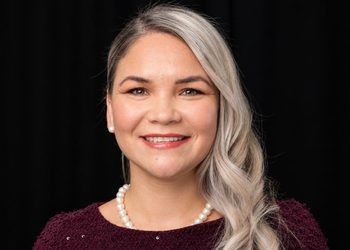
Dr. Mwangala Nalisa is a microbiologist, biotechnologist, and lecturer in the Department of Biochemistry, Microbiology and Biotechnology at the University of Namibia. Her research focuses on antimicrobial resistance, infectious diseases, genomics, and biotechnology-driven solutions to public health challenges in Africa. With over a decade of experience in research, teaching, and science policy, she has contributed to national and international initiatives in health innovation, biosafety, and bioeconomy development. A Schlumberger Foundation Faculty for the Future Fellow, Dr. Nalisa is passionate about translating scientific research into practical solutions that improve health outcomes and strengthen research capacity in Namibia and beyond.
Prof. Petrina Kapewangolo is a Biochemist, and an Associate Professor in the Department of Biochemistry, Microbiology and Biotechnology at the University of Namibia. Her research focuses on natural product drug discovery, with particular emphasis on identifying bioactive compounds from African medicinal plants for the management of HIV, cancer, and other diseases. Her work integrates biochemistry, pharmacology, phytochemistry, and cell-based assays to evaluate the therapeutic potential of natural products and synthetic agents, and their underlying mechanisms of action. Prof. Kapewangolo has published extensively in the fields of natural products, antioxidant research, and anti-HIV drug discovery. She is committed to translating scientific discoveries into innovative health solutions while mentoring the next generation of African researchers.
The views and comments reflected in this article are not those of any affiliation and are solely attributed to the authors.