The government has introduced an emergency fuel import arrangement after the National Energy Fund (NEF) absorbed N$1.3 billion in fuel price under-recoveries over a two-month period, highlighting the growing financial pressure of keeping domestic fuel prices below the actual cost of imports.
The under-recoveries were recorded during April and May 2026, when the NEF was required to cover the gap between the regulated pump price and the higher cost of importing fuel.
The figure excludes import premiums, which averaged approximately N$300 million per month, further increasing the fund’s financial obligations.
To ease that burden, the Ministry of Industries, Mines and Energy has introduced a coordinated fuel supply arrangement for the period July to September 2026, under which fuel will be imported at the Basic Fuel Price (BFP) without the additional import premiums that are ordinarily charged above the benchmark price.
The ministry said eliminating these premiums is expected to substantially reduce the NEF’s under-recovery obligations to petroleum importers, strengthen the fund’s financial position and improve the sustainability of Namibia’s fuel pricing framework.
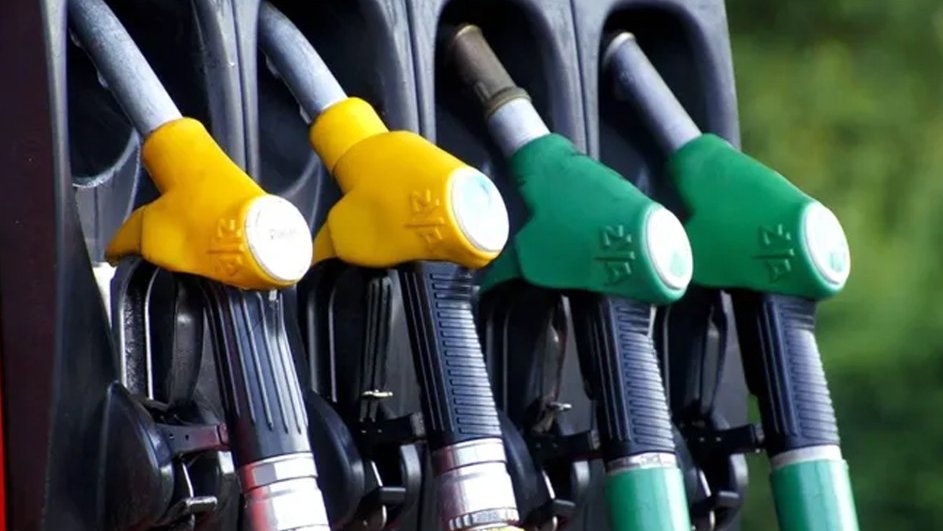
The intervention comes as government also announced lower fuel prices, effective 3 July, with petrol 95 declining by N$1.00 per litre and all diesel grades falling by N$4.00 per litre after international oil prices, freight costs and fuel import prices eased during the review period.
According to the ministry, the emergency arrangement is intended to stabilise fuel procurement while protecting consumers from unnecessary price increases and reducing pressure on the NEF.
The three-month measure will also serve as a transition to the planned Bulk Petroleum Import Coordination (BPIC) System, which will centralise fuel procurement once the interim arrangement expires.
Government expects the BPIC system to lower overall fuel import costs by consolidating purchases, achieving economies of scale, improving operational efficiency and increasing transparency over the landed cost of petroleum products at the Port of Walvis Bay.
The ministry said the reforms are designed to improve the long-term sustainability and competitiveness of Namibia’s petroleum supply chain while reducing the financial strain caused by recurring fuel price under-recoveries.