The City of Windhoek’s newly adopted Smart City Strategy includes plans for expanded fibre-optic connectivity, upgraded digital services and the development of commuter rail links aimed at improving mobility across the capital.
Mayor Sakarias Uunona said the 2026-2036 Smart City Strategy will guide efforts to modernise the city’s infrastructure and service delivery systems as Windhoek responds to rapid urban growth and increasing demand for services.
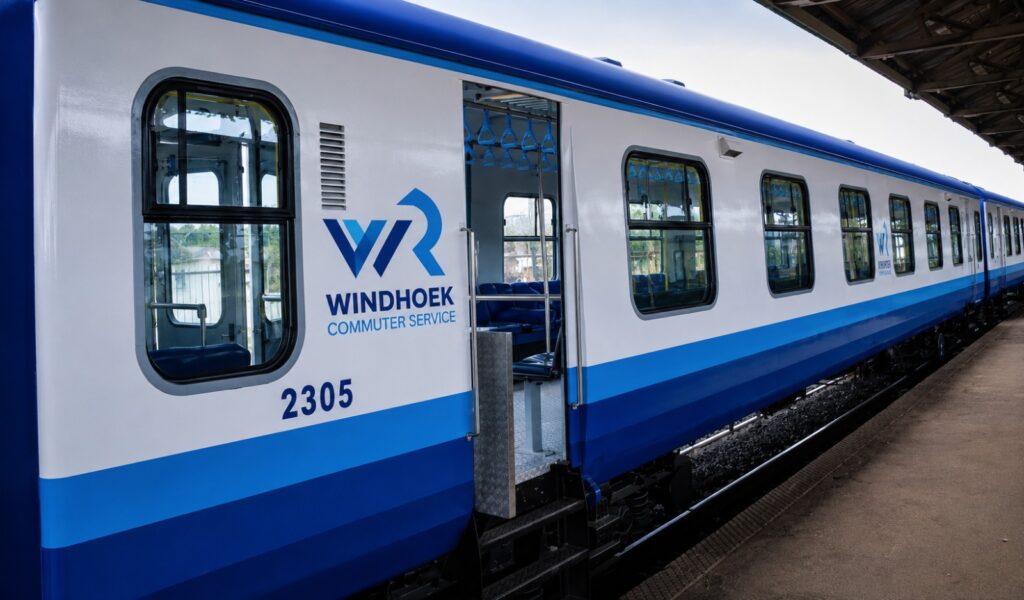
Among the key projects outlined in the strategy are expanded fibre-optic networks, enhanced digital platforms and proposed commuter rail services linking Windhoek, Katutura and other major urban centres.
“It introduces transformative initiatives that will serve as key pillars of our smart city journey. These include improved connectivity through fibre-optic networks to support digital applications, enhanced digital platforms and strengthened innovation systems,” Uunona said.
“We are also collaborating with the national government and development partners to modernise transport systems and improve accessibility. This includes proposed commuter services between Windhoek, Katutura and other key areas, integrated with bus services, improved non-motorised transport infrastructure and related development initiatives.”
The strategy was formally adopted by the City of Windhoek and is expected to serve as the city’s roadmap for technology-driven urban development over the next decade.
Uunona said the capital’s growing population and increasing demand for services require new approaches to urban planning and infrastructure development.
He added that the city would work with government, investors and development partners to implement the strategy’s objectives.
“We must move from planning to implementation, from ideas to action and from ambition to impact. The City of Windhoek is fully committed to this task. We also recognise that implementation will require strong partnerships, technical expertise, innovation and investment,” he said.
Smart Cities and Transport Strategy Advisor Clarence Rupingena said the blueprint brings together digital transformation, transport modernisation and infrastructure development under a single strategic framework.
According to Rupingena, the strategy is intended to create a city that is physically, digitally, socially and economically connected, while embedding sustainability and resilience into future development.
“I am convinced that Windhoek has the leadership, talent, partnerships and determination needed to realise this vision. This strategy will be a catalyst for innovation and a platform for collaboration, leading to a smarter, more inclusive and more sustainable city,” he said.