The City of Windhoek is accelerating its digital transformation agenda by commercialising its municipal fibre optic network, a move expected to strengthen connectivity, attract technology providers and lay the foundation for a future smart city ecosystem.
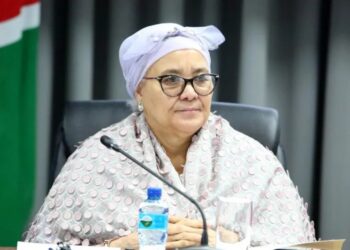
Speaking at the fifth ordinary council meeting, Windhoek Mayor Sakaria Uunona said the city has completed the first phase of the fibre commercialisation project, which focused on identifying sustainable business models and market opportunities for the network.
The initiative is expected to unlock new revenue streams for the municipality while expanding access to high-speed digital infrastructure across the capital.
According to Uunona, the upgraded fibre network has already attracted new digital service providers and improved connectivity in pilot areas.
“As a result, municipal revenue streams are expected to grow, connectivity has improved in pilot areas, and Windhoek is better positioned to implement the People-Centred Smart City Strategy,” he said.
The fibre project forms a critical component of Windhoek’s broader technology strategy, which aims to use digital infrastructure, data and smart technologies to improve service delivery and urban management.
Uunona said the city is also nearing completion of its first People-Centred Smart City Strategy, developed in partnership with UN-Habitat under the UNITAC project.
“The strategy prioritises citizens in digital transformation, using technology and data to improve service delivery, enhance citizen participation, strengthen urban governance, and raise residents’ quality of life,” he said.
The strategy is expected to provide a roadmap for deploying digital solutions across municipal operations, including smart governance, connectivity, citizen engagement and data-driven decision-making.
The City of Windhoek approved the implementation of its municipal fibre network project in 2022 as part of efforts to modernise infrastructure and support future digital services.
By commercialising the network, the municipality aims to create a scalable digital backbone capable of supporting emerging technologies, cloud-based services, smart utilities and future e-government initiatives.
“The upgraded infrastructure has fostered innovation, advancing Windhoek as a smart city hub,” Uunona said.
The municipality expects the combination of fibre infrastructure and smart city planning to improve trade efficiency, attract investment and position Windhoek as a technology-enabled urban centre.
The developments come as cities across Africa increasingly invest in fibre networks and digital infrastructure to support economic growth, innovation and smarter urban service delivery.