Saturday, November 14, 2026
Subscribe
The Brief | Namibia's Leading Business & Financial News
  • Home
  • Companies
    • Finance
    • Agriculture
    • Technology
    • Property
    • Trade
    • Tourism
  • Business & Economy
  • E-PAPERreader
  • Mining & Energy
  • Opinions
    • Analysis
    • Columnists
  • Africa
No Result
View All Result
The Brief | Namibia's Leading Business & Financial News
Subscribe
No Result
View All Result
Home Latest

Retirement is no longer an age – it’s a phase. Planning for multi-stage retirements in Namibia

by reporter
May 8, 2026
in Latest
7
A A

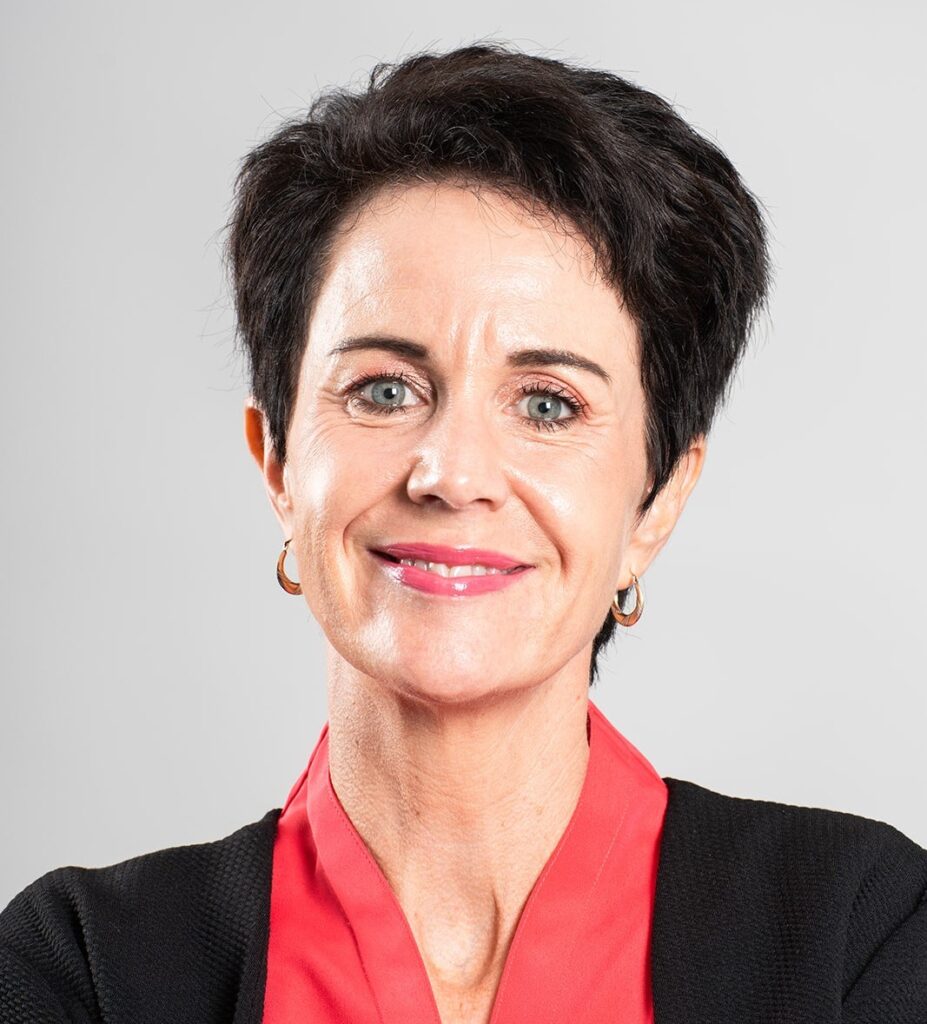
By Bianca Schmidt :  Alexforbes Namibia –  Head of Individual Client Consulting

For decades, retirement followed a familiar script. You worked until a set age, stopped earning an income, and relied on your savings or pension to support you for the rest of your life. Today, that model no longer reflects how Namibians are living, working or ageing.

Retirement is increasingly becoming a series of life phases rather than a single moment in time. Longer lifespans, shifting economic realities and a growing desire to remain active and purposeful mean many people no longer move directly from full-time work into full-time retirement. Instead, they move through stages that may include part-time work, consulting, caregiving, volunteering or entirely new pursuits.

This shift calls for a new way of thinking about retirement planning – one that is flexible, personal and aligned with how people want to live.

Why retirement planning is changing

Longevity is one of the most powerful forces reshaping retirement. Many Namibians can expect to spend decades in retirement beyond their primary careers. While this creates opportunities for reinvention, it also places greater pressure on retirement savings and income planning.

At the same time, financial constraints remain a reality. Career disruptions, rising living costs and competing priorities often make consistent saving difficult. As a result, many people reach traditional retirement age without feeling financially ready to stop working altogether.

Rather than seeing this as a failure, it is more helpful to recognise that the definition of retirement has changed. The key question is no longer, ‘When can I retire?’ but ‘How do I want to live through the next phase of my life – and how do I fund it sustainably?’

The rise of multi-stage retirement

Flexible work has transformed what retirement can look like. Technology and changing workplace norms now allow people to remain economically active without the demands of full-time employment.

Some continue in their profession in a reduced or advisory role. Others explore mentoring, teaching, project-based work or entrepreneurial ventures. These activities can provide additional income while maintaining structure, social connection and a sense of purpose.

Multi-stage retirement allows people to adjust how they spend their time and energy gradually, rather than making an abrupt transition away from work. Financial planning needs to support this flexibility, recognising that income, expenses and priorities may change more than once during retirement.

Purpose at the centre of retirement

Modern retirement planning is no longer only about numbers – it is increasingly about meaning.

Many people approaching retirement are asking deeper questions about contribution, learning and connection. A purpose-driven retirement may include volunteering, creative pursuits, caring for family members or supporting causes that matter deeply.

This sense of purpose is not only emotionally fulfilling. It also supports wellbeing and resilience later in life. Financial plans that recognise and enable these aspirations are more likely to remain relevant over time.

Rethinking financial planning for a longer journey

Planning for a multi-stage retirement means moving away from rigid assumptions towards adaptable strategies.

Budgets are no longer static. Early retirement years may involve higher discretionary spending on travel or personal projects. Later years may require greater provision for healthcare or support services. Income may come from a combination of investment drawdowns and earned income, rather than from savings alone.

Retirement planning also means managing uncertainty over several decades. Diversification, inflation protection and tax efficiency become essential. Flexibility is key. A well-constructed plan should evolve as circumstances change, whether due to health, family needs, market conditions or personal priorities.

Contact Information:

Tel: 061 2937000

Email: SchmidtB@alexforbes.com

author avatar
reporter
See Full Bio
Previous Post

A generation positioned to win: Why building wealth is no longer optional

Next Post

Windhoek debt falls to N$869m as city pursues gvt N$716m land swap deal

Must Read

A man in a dark suit and red tie wearing glasses speaks into a handheld microphone, gesturing with his left hand during a panel discussion.
Latest

Gawaxab identifies power costs, regulatory uncertainty as barriers to Namibia’s mineral beneficiation

November 13, 2026
Man in glasses speaks at a wooden podium with a laptop and handheld mic, flanked by banners for IPPR and Hanns Seidel Foundation Namibia Office
Latest

Namibia only partially ready to govern oil and gas industry, IPPR finds

November 13, 2026
Portrait of a chef in a white uniform and glasses, standing with arms crossed in a bright kitchen environment.
Latest

Curt Burns: Championing Culinary Excellence and Developing Namibia’s Next Generation of Chefs

November 13, 2026
Tall modern hotel building illuminated in purple at night, AVANI signage visible on the facade.
Latest

Our People, Our Purpose: Developing Talent at Avani Windhoek Hotel & Casino

November 13, 2026
African man in a gray plaid suit and red tie speaks at a podium with dual microphones in front of a blue backdrop.
Latest

Amutse appoints new NIDA, NEAB boards

November 12, 2026
BIPA to deregister 1,000 companies every month
Latest

New BIPA and NaCC boards appointed

November 12, 2026
Load More

Related News

Zim, SA car maker to debut in Namibian market

August 6, 2021
RFA allocates N$430m towards local authority road infrastructure

RFA allocates N$430m towards local authority road infrastructure

July 26, 2024
EIF, NYS sign landscape restoration agreement

EIF, NYS sign landscape restoration agreement

November 1, 2022

Browse by Category

  • Africa
  • Agriculture
  • Analysis
  • Business & Economy
  • Columnists
  • Companies
  • e-edition
  • Finance
  • Finance
  • Fisheries
  • Green Hydrogen
  • Health
  • Investing
  • Latest
  • Market
  • Mining & Energy
  • namibia
  • Namibia
  • News
  • Opinions
  • Property
  • Retail
  • Technology
  • Tourism
  • Trade
The Brief | Namibia's Leading Business & Financial News

The Brief is Namibia's leading daily business, finance and economic news publication.

CATEGORIES

  • Business & Economy
  • Companies
    • Agriculture
    • Finance
    • Fisheries
    • Health
    • Property
    • Retail
    • Technology
    • Tourism
    • Trade
  • e-edition
  • Finance
  • Green Hydrogen
  • Investing
  • Latest
  • Market
  • Mining & Energy
  • namibia
  • News
    • Africa
    • Namibia
  • Opinions
    • Analysis
    • Columnists

CONTACT US

Cell: +264814612969

Email: newsdesk@thebrief.com.na

© 2026 The Brief | All Rights Reserved. Namibian Business News, Current Affairs, Analysis and Commentary

Welcome Back!

Login to your account below

Forgotten Password?

Retrieve your password

Please enter your username or email address to reset your password.

Log In
No Result
View All Result
  • Home
  • Companies
  • Mining & Energy
  • Business & Economy
  • Opinions
    • Analysis
    • Columnists
  • Africa

© 2026 The Brief | All Rights Reserved. Namibian Business News, Current Affairs, Analysis and Commentary

This website uses cookies. By continuing to use this website you are giving consent to cookies being used. Visit our Privacy and Cookie Policy.