Namibia’s annual inflation rate slowed to 3.1% in April 2026, down from 3.6% recorded during the same period last year.
According to the latest Consumer Price Index bulletin released by the Namibia Statistics Agency, monthly inflation rose to 1.1% in April from 0.2% recorded in March.
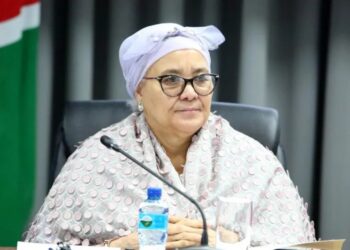
NSA Statistician General Alex Shimuafeni said core inflation stood at 2.8%, slightly below the overall inflation rate.
“The annual inflation rate for April 2026 stood at 3.1 percent, compared to 3.6 percent recorded in April 2025. On a monthly basis, inflation was 1.1 percent, up from 0.2 percent in the previous month. Core inflation stood at 2.8 percent, slightly below the headline inflation rate,” Shimuafeni said.
Food prices were one of the main reasons inflation eased.
The ‘Food and Non-Alcoholic Beverages’ category recorded annual inflation of 2.0%, down sharply from 5.6% in April 2025.
Prices for bread and cereals declined by 0.8%, mainly due to lower maize meal and grain prices. Last year, maize meal prices had increased by 9.8%, but this year prices fell by 6.1%.
“On a monthly basis, the category recorded an increase of 0.3 percent, compared to 0.4 percent in the preceding month,” the report said.
Despite lower food inflation, housing and transport costs continued to rise.
Housing, water and electricity inflation increased to 4.4%, making it the biggest contributor to overall inflation.
Transport costs also rose by 5.0% compared to last year, driven mainly by fuel price increases.
The report said the cost of operating personal transport increased by 7.3%.
“On a monthly basis, the inflation rate stood at 5.8 percent in April 2026, a sharp increase from 0.4 percent recorded in the previous month,” the report noted.
Some categories recorded lower prices. Communication costs declined by 1.3%.
However, prices for fruit rose by 10.9%, while hotels, cafés and restaurants recorded inflation of 4.9%.
“Additionally, while Communication recorded a 1.3 percent deflation, other divisions reported inflation,” the report stated.
Inflation also differed across the country.
Zone 2, which includes the Khomas Region, recorded the highest annual inflation rate at 4.2%.
Zone 1, covering the northern regions, recorded the lowest inflation rate at 2.1%, down from 3.7% a year earlier.
Zone 3, which includes the southern and coastal regions, recorded inflation of 2.9%, compared to 4.1% last year.