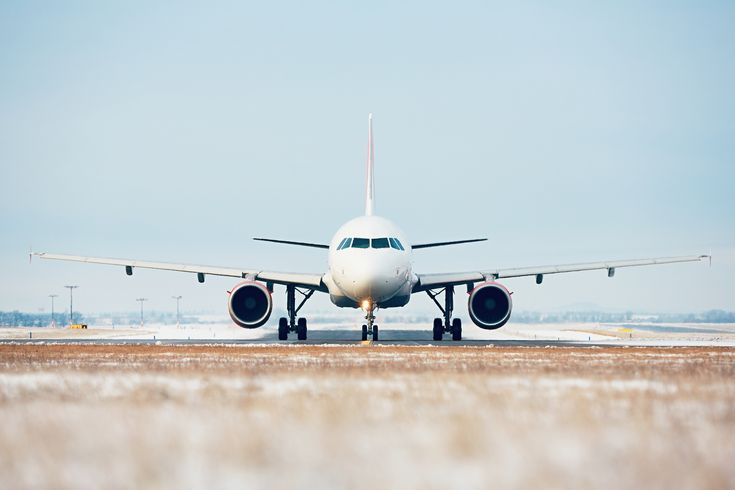
Minister of Works and Transport Veikko Nekundi has warned airlines operating in Namibia that they have six months to significantly reduce domestic airfares or face government regulation.
Speaking at the official opening of Aviation Week Africa 2026 in Windhoek, Nekundi criticised the high cost of local flights, citing a recent example where a one-way ticket to Ondangwa exceeded N$9,000.
He said domestic air travel should not cost more than regional routes, noting that flights to destinations such as Cape Town are often considerably cheaper.
“You must reduce these prices. Otherwise, you will force me to amend the law and regulate fares, as we do in the taxi industry. This situation cannot continue. You must bring the prices down. Either you act, or I will be compelled to regulate. You have six months to address this issue. If nothing changes, I will intervene,” Nekundi said.
His warning comes as government moves ahead with plans to revive the national airline, Air Namibia, through strategic partnerships by the end of 2026.
Nekundi said Namibia is also investing in aviation infrastructure, including upgrades to navigation systems and broader transport networks, to improve connectivity.
“Improved connectivity will unlock economic opportunities, support tourism, and facilitate intra-African trade and investment,” he said.
The minister’s remarks come as Namibia positions aviation as a key driver of economic growth and regional integration.
Addressing delegates at the conference, Nekundi said a well-functioning aviation sector is essential to advancing Namibia’s role within the African Continental Free Trade Area (AfCFTA).
He also highlighted Namibia’s participation in the Single African Air Transport Market (SAATM), an initiative aimed at liberalising air travel across the continent.
“Aviation is a critical enabler of economic development. It connects nations, facilitates trade, promotes tourism, and strengthens regional integration. Namibia’s aviation priorities are aligned with our National Development Plan and Vision 2030. We serve as a logistics hub and transit gateway for our landlocked neighbours, including Zambia and Botswana,” he said.