Namibia faces a US$15 billion climate finance gap as policymakers and financial institutions push for reforms to unlock investment and scale up funding for mitigation and adaptation projects.
The shortfall, highlighted by industry stakeholders, reflects the scale of capital required for the country to meet its climate commitments by 2030. Of the total, only about US$1.5 billion is expected to be mobilised domestically, leaving roughly 90% dependent on external funding.
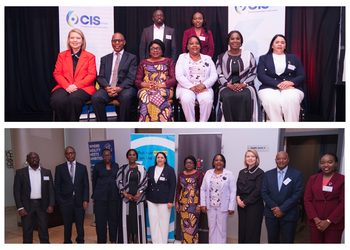
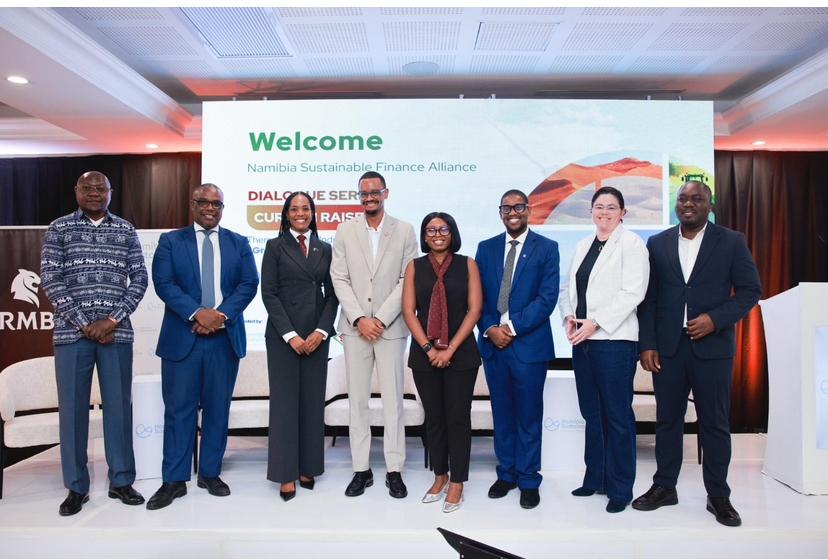
The issue took centre stage at a sustainable finance engagement hosted by the Bank of Namibia and RMB Namibia, where participants warned that Namibia must move beyond policy ambition to build credible, investable frameworks.
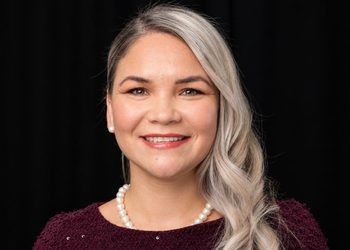
Deputy Governor Leonie Dunn said the country’s exposure to climate risk makes the need for financing both urgent and unavoidable.
“As one of the most climate-vulnerable countries, the impacts are already affecting productivity and livelihoods,” she said, adding that new opportunities in energy and industrialisation are placing further demands on the financial system.
Stakeholders said the challenge is not only the availability of capital, but the lack of bankable projects capable of attracting private investment.
Louise Brown of Triple Capital said adaptation projects remain particularly difficult to finance, as they often lack clear commercial returns and rely heavily on public funding despite being critical to economic resilience.
RMB’s Tshepo Ntsane said Namibia has strong potential to attract both domestic and international capital, particularly through transition finance aimed at supporting decarbonisation in carbon-intensive sectors.
However, he said this will require stronger policy alignment, institutional credibility and investment-ready frameworks to give investors confidence.
The gap between capital and viable projects was also flagged by regulators and investors.
Erich Gariseb of the Namibia Financial Institutions Supervisory Authority said climate change poses a systemic risk to financial stability, requiring coordinated action across the sector.
Petrus Muteyauli from the Ministry of Environment, Forestry and Tourism said Namibia’s renewable energy resources position it well to attract climate investment, but acknowledged that adaptation projects remain difficult to structure commercially.
Institutional investors, meanwhile, signalled willingness to participate if suitable opportunities are presented.
Immanuel Kadhila of the Government Institutions Pension Fund said the barrier is not appetite, but the lack of structured products and reliable cashflows.
“There is no lack of willingness to invest. What is missing are tangible pipelines and investable instruments,” he said.
Participants agreed that closing the funding gap will depend on strengthening regulatory frameworks, developing bankable projects and using blended finance to crowd in private capital, as Namibia seeks to position itself within global climate finance flows.