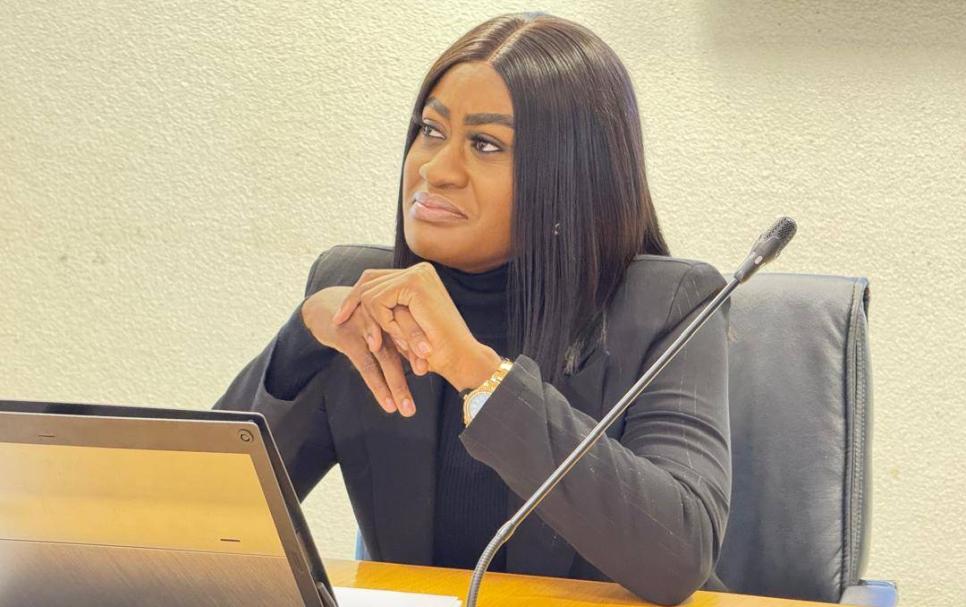
Namibia will finalise a comprehensive National Cancer Control Programme (NCCP) by June 2026, as the country moves to strengthen early detection and prevention of cancer, Minister of Health and Social Services Esperance Luvindao has said.
Luvindao said the NCCP will mark a shift in national cancer strategy, with greater emphasis on prevention and early diagnosis.
She noted that many Namibians are currently diagnosed at advanced stages, often at Stage 3 or 4, when treatment options are largely palliative.
The ministry aims to detect cancer cases at Stage 1 or earlier, which she said would significantly improve survival outcomes while also reducing long-term treatment costs for the state.
“Key risk factors include tobacco and alcohol use, unhealthy diets, physical inactivity and unhealthy body weight, all of which are contributing to rising cancer incidence,” Luvindao said. “At the centre of our response is the development of a comprehensive National Cancer Control Programme, which we aim to finalise by June 2026.”
She said the ministry has identified several immediate priorities to transform cancer care in the public health system. A major focus is the decentralisation of oncology services, including the establishment of oncology departments at Oshakati Intermediate Hospital to better serve the densely populated northern regions.
Luvindao said the expansion of services would be accompanied by efforts to significantly reduce waiting times for cancer treatment, with the ministry targeting a maximum waiting period of six weeks.
On the infrastructure side, she said the ministry is modernising cancer treatment capacity through the procurement of a new brachytherapy machine for cervical cancer, as well as upgrades to radiotherapy and molecular imaging equipment.
“The most effective approach to reducing cancer incidence and mortality in Namibia, and globally, is through strengthened awareness, prevention and early detection,” Luvindao said. “We must intensify cancer prevention efforts through dietary education, the promotion of physical activity and healthier lifestyle choices.”
She added that the ministry is also expanding screening programmes for breast, prostate, cervical and colorectal cancers, alongside other priority cancers.
Luvindao acknowledged a critical shortage of specialist expertise in the public sector, noting that Namibia currently has only one specialist oncologist. To address this, she said the ministry is investing in human capital, with four oncology specialists currently undergoing training abroad.
Three of the specialists are expected to be deployed to the planned northern oncology facilities, a move aimed at ensuring sustainable and long-term cancer care services across the country.