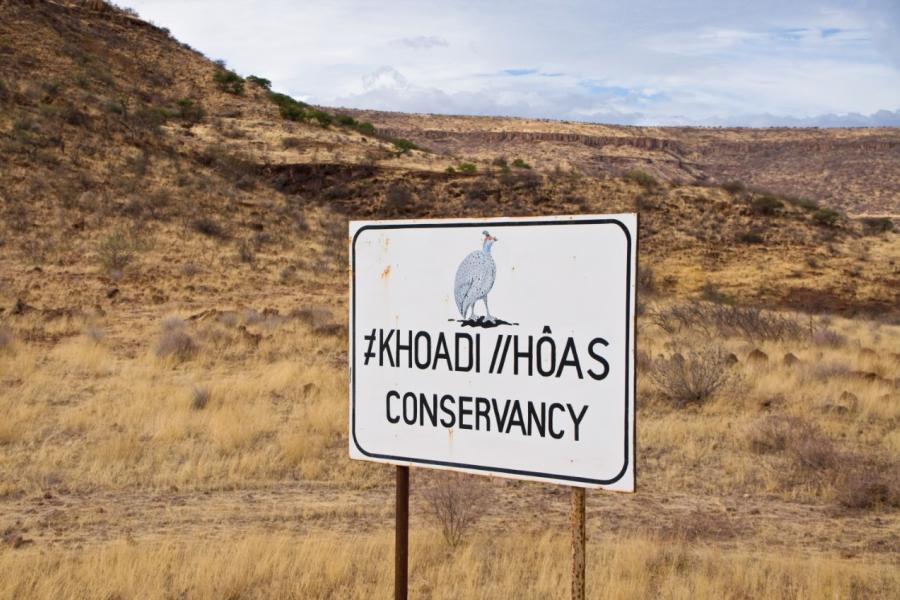
Namibia’s community conservancies generate about N$142 million annually for rural communities, according to the Parliamentary Standing Committee on Natural Resources.
In its final report to the 8th National Assembly, the committee said the income is largely attributable to Namibia’s Community-Based Natural Resource Management (CBNRM) programme, which was launched in 1996 to link conservation with community participation.
The programme has grown to 86 registered conservancies, providing income, employment and social benefits across communal land.
The committee reported that conservancies employ more than 5,600 Namibians, mainly through tourism operations, wildlife management and related support services.
Revenue is generated through community-owned lodges, joint-venture tourism concessions and sustainable wildlife utilisation, with funds reinvested into households, local infrastructure and community development projects.
According to the report, conservation efforts on communal land have resulted in a 23 percent increase in wildlife populations, demonstrating the effectiveness of devolved natural resource management.
“These outcomes have strengthened Namibia’s position as a global leader in conservation that balances ecological protection with socio-economic development,” the committee said.
Regional conservation initiatives have also contributed to these gains, particularly within the Kavango-Zambezi Transfrontier Conservation Area, Africa’s largest transboundary conservation area.
The committee said that since 2020, elephant populations in the region have increased by 14 percent, eight new community lodges have been established along migration corridors, and rhinos have been reintroduced to the Zambezi Region.
Species-specific conservation programmes have recorded further progress, with black rhino numbers in the Kunene Region rising to 200, while the desert-adapted lion population has stabilised at about 120.
The report also noted improvements in habitat management, with 34 new bird species recorded in national parks.
Forestry resources were reported to cover about 8.5 million hectares. The committee said that 1,245 forestry permits have been issued under strict quotas, while training provided to 32 community groups has contributed to an 18 percent reduction in illegal logging.
Forestry activities employ more than 12,000 people, while the sustainable harvesting of products such as devil’s claw generates around N$15 million annually. Eight new wood-processing plants have been established to support local value addition.
The committee cautioned that while conservancies and conservation-linked industries remain a critical pillar of rural livelihoods, continued benefits will depend on sustained investment, policy certainty and adequate funding to address human-wildlife conflict and climate-related pressures.