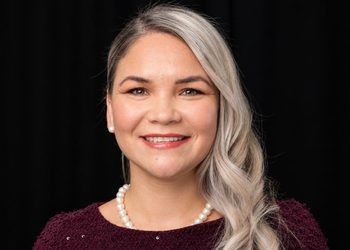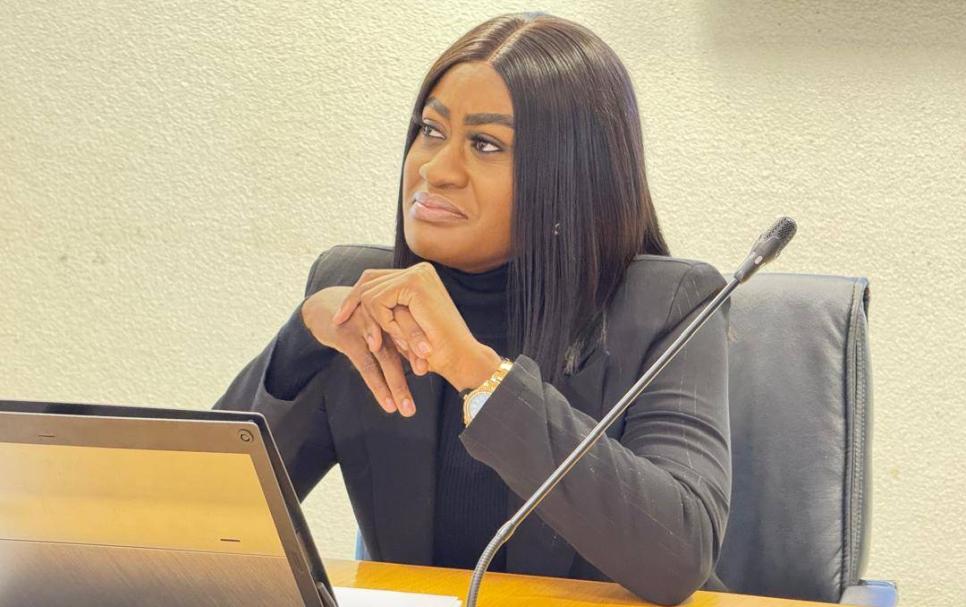
Namibia must urgently strengthen domestic and innovative health financing as external donor support continues to decline, Minister of Health and Social Services Esperance Luvindao has said.
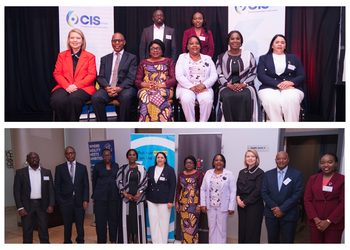
Speaking at a workshop on Environmental Stewardship and Gender Mainstreaming for State Resilience to Shock and Disaster in Windhoek, Luvindao said the country could no longer rely on what she described as “external generosity” to sustain its health system.
She said a resilient nation must be able to finance its own survival, linking health security to national development and financial stability discussions involving the Bank of Namibia.
Luvindao addressed the challenge of protecting health in an era of what she termed “multiple shocks”, describing the global environment as a polycrisis marked by the simultaneous pressures of climate change, economic strain and disease outbreaks.
“We are seeing a reduction in external support for HIV, TB and malaria programmes. This puts a tremendous strain on the national fiscus at a time when we need to spend more, not less, to achieve universal health coverage,” she said.
She identified climate change as an increasing health risk, noting that shifting weather patterns are expanding the reach of vector-borne diseases such as malaria into areas that were previously unaffected. Prolonged droughts are worsening food insecurity and malnutrition, while floods are contaminating water sources and contributing to outbreaks of cholera and hepatitis E.
The minister stressed the need for stronger cross-sectoral cooperation, saying health outcomes are closely linked to environmental conditions, social protection systems and gender-responsive planning. Women, who are often primary caregivers, are among those most affected during climate-related shocks, she said.
Luvindao said that while Namibia’s health system has improved significantly since Independence, it was built for a more predictable environment and is now under pressure from risks it was not originally designed to absorb.
She also pointed to pandemic preparedness, saying the COVID-19 crisis had shown how quickly a health emergency could disrupt economies, education systems and social stability. Namibia, she said, must remain alert to both known and emerging disease threats.
“To strengthen resilience, climate-smart healthcare is essential. We must build clinics and hospitals that are resilient to floods and extreme heat. We need to decarbonise our health supply chains. A hospital that loses power during a storm or cannot function during a drought is a failed asset,” she said.
Luvindao said economic productivity and environmental stewardship were impossible when citizens are sick, malnourished or exposed to preventable epidemics, urging government ministries to break down silos and treat investment in health as an investment in national security.