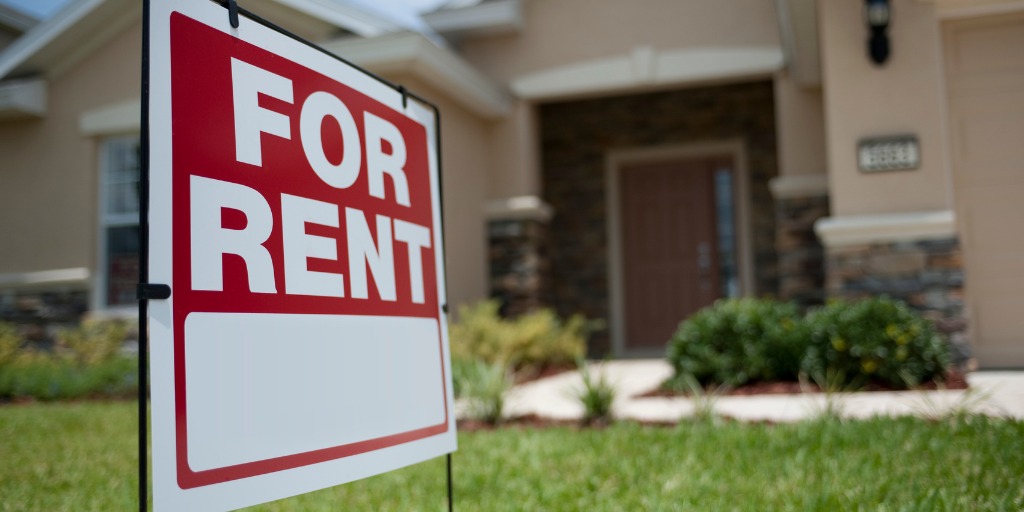
Rental inflation in Namibia remained elevated at the end of 2025, driven by strong demand and limited housing supply in major urban centres, according to Simonis Storm Economist Almandro Jansen.
Windhoek, Swakopmund and Walvis Bay continue to face pressure as urbanisation and population growth outpace new housing delivery.
Jansen said housing-related costs remain a key driver of headline inflation, with rentals among the most persistent components of the consumer price index. This has kept housing inflation structurally high, limiting relief for households despite moderation in other inflation categories.
He said government’s intention to explore rent control measures has introduced uncertainty into the housing inflation outlook, with early behavioural effects likely to emerge even before any formal policy is implemented.
“Poorly sequenced or rigid rental controls risk distorting market incentives and worsening supply constraints, particularly in high-demand urban areas,” Jansen said.
Inflation in the housing, water, electricity, gas and other fuels category rose to 4.5% year on year in December 2025, up from 4.4% a year earlier, and remained one of the largest contributors to headline inflation. The category accounts for 28.4% of the CPI basket, amplifying its influence on overall inflation.
While rental caps may offer short-term relief to tenants, Jansen warned that international experience shows such measures often reduce investment and maintenance in the formal rental market, tightening conditions over time.
“Over time, these effects can shift price pressures into informal or non-regulated segments, undermining the objective of containing inflation,” he said.
From an inflation perspective, Jansen said the impact of rental controls would depend on policy design and sequencing. Targeted and temporary measures, combined with accelerated land servicing and private-sector housing development, could help moderate rental inflation without constraining supply.
In the absence of parallel supply-side reforms, housing-related inflation is expected to remain elevated into 2026, continuing to shape Namibia’s inflation trajectory and household cost-of-living pressures.
“With housing carrying a 28.4% weight in the CPI basket, structural supply constraints will keep this category central to Namibia’s inflation dynamics,” Jansen said.