The National Housing Enterprise (NHE) has grown its loan book by 91.34% over five years, from N$553 million in 2018/2019 to N$1.059 billion in 2023/2024, despite persistent financial challenges and the lingering effects of the COVID-19 pandemic on project timelines.
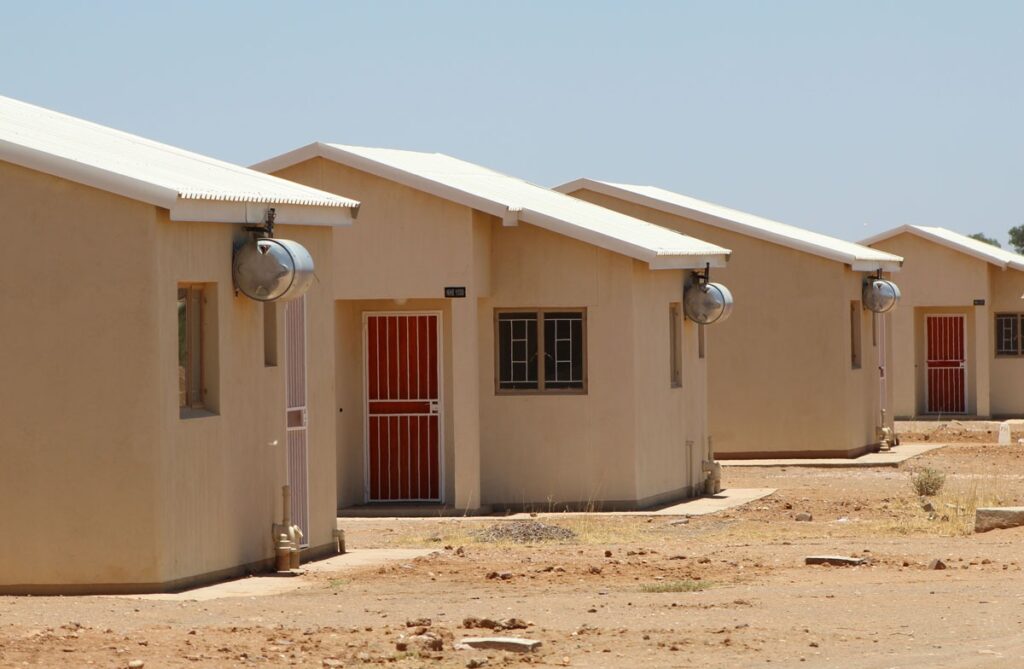
According to NHE Board Chairperson, Toska Sem, the institution acquired 1,097 plots and constructed 1,065 houses during the same period.
“To date, we have acquired 1,097 plots and constructed 1,065 houses in various areas. Our loan book has increased by 91.34%, rising from N$553 million to over N$1 billion. However, challenges remain. COVID-19 was one of the major setbacks, affecting the affordability of our clientele, while limited financial resources also continue to pose constraints,” Sem said.
She noted that the NHE had strengthened its compliance and governance frameworks to enhance accountability and efficiency.
“We have improved our compliance rating by strengthening our regulatory frameworks, risk registers, and governance systems, including Financial Intelligence Act (FIA) and PEGA compliance,” she said.
Sem said the NHE continues to reinforce its operational and financial position while driving national housing initiatives.
“In collaboration with the Ministry of Urban and Rural Development (MURD) and the City of Windhoek, NHE recently signed a Memorandum of Agreement for the implementation of the Informal Settlement Upgrade Programme (ISUP), a joint effort aimed at improving living conditions in underserved communities,” she stated.
She added that the institution was reorienting its approach to make housing more affordable and sustainable.
“We are engaging our partners and banking institutions to ensure the provision of quality houses while eliminating unnecessary luxuries in housing delivery. This approach allows for incremental benefits through housing upgrades,” she explained.
Sem said addressing internal inefficiencies also remains a priority.
“Most importantly, we are addressing the issue of an unstandardised and misaligned organisational culture, an area where there is still significant room for internal improvement,” she said.