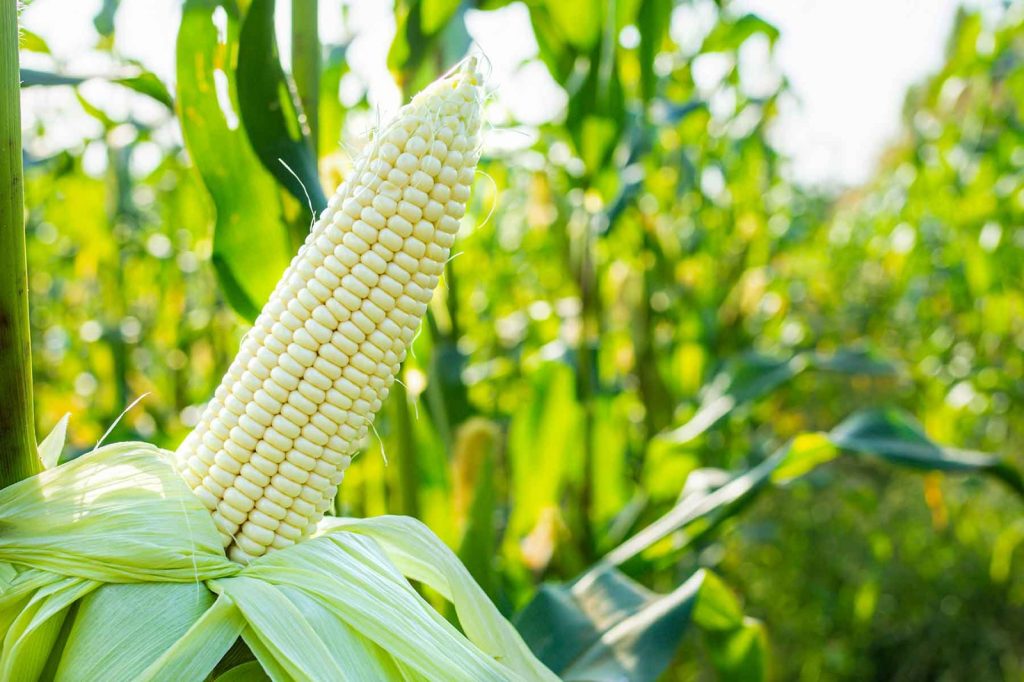
A sharp increase in white maize production has driven Namibia’s total local crop output to 34,196 tonnes in the second quarter of 2025, up from 22,244 tonnes recorded in the same period of 2024.
According to the Bank of Namibia’s Quarterly Bulletin for September 2025, the rise was underpinned by favourable rainfall and increased investment in irrigation-fed plantations.
“Local crop production stood at 34,196 tons in the quarter under review and an increase relative to 22,244 tons in 2024. This was attributed to high rainfall and investments made at irrigation-fed plantations,” the report stated.
On a quarterly basis, total crop output surged from 1,666 tonnes in the first quarter, with white maize alone soaring to 34,155 tonnes compared to just 958 tonnes previously.
The apex bank noted that the strong performance reflected the late but effective rains received earlier in the year.
Milk production continued to grow steadily, reaching 4.1 million litres in the second quarter — a 7.4% year-on-year and 3.9% quarterly increase.
The growth according to the central bank ,was linked to a higher number of milk-producing cows, improved weather conditions, and the adoption of better technological practices in dairy farming.
In contrast, cattle marketing dropped sharply by 55.9% year-on-year to 53,815 head, mainly due to farmers’ restocking efforts and disease outbreaks such as lumpy skin disease and foot-and-mouth disease in South Africa, which disrupted live exports.
However, on a quarterly basis, cattle marketed increased by 32.3%, supported by higher slaughter numbers for export and improved body scores of slaughter-ready animals.
“The annual decline stemmed from live weaners exported and cattle slaughtered for exports during the quarter under review. Restocking activities by farmers, lumpy skin disease and foot and mouth outbreak in South Africa also hampered live exports,” the report read.
Beef producer prices remained firm, averaging N$64.68 per kilogram — up 12.8% year-on-year but slightly down by 0.76% from the previous quarter as more cattle became ready for slaughter.
The annual increase was driven by undersupply at abattoirs, while weaner prices improved due to limited auction numbers and better grazing conditions.
The small stock sector recorded mixed results. The number of small stock marketed fell by 38% year-on-year to 221,897 head, reflecting lower slaughter and export volumes.
Quarter-on-quarter, however, the sector rebounded by 61.7%, supported by higher slaughter numbers for export and live exports.
Sheep producer prices rose by 32.6% year-on-year and 1.6% quarter-on-quarter to N$62.65 per kilogram, supported by low supply and strong market demand.