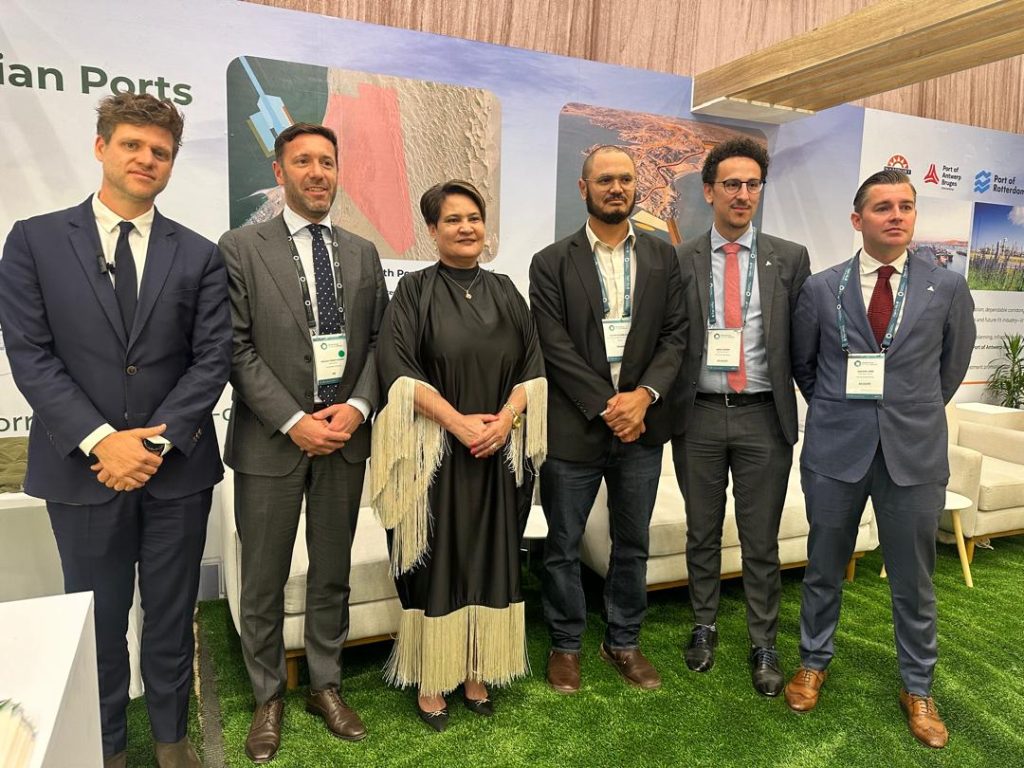
Namibia plans to establish a green energy export hub at Walvis Bay by 2027 through a partnership with Europe’s largest port authorities, the Port of Antwerp-Bruges and the Port of Rotterdam.
Director of the Port of Antwerp-Bruges, Mario Lievens, said the entities had embarked on a partnership to develop the North Port following the completion of a comprehensive, EU-funded market study, which confirmed strong commercial potential for expansion.
Building on these findings, the North Port Masterplan has been revised to set out a long-term vision for an integrated, future-ready port platform.
“The first project under this plan will be the development of a new multipurpose terminal,” Lievens said.
He added that detailed engineering studies and financing discussions will be undertaken in the coming months, leading towards a final investment decision.
“We aim at looking at 2027, so we can have the infrastructure in place to serve the needs of Namibia but also of its surrounding countries,” he said.
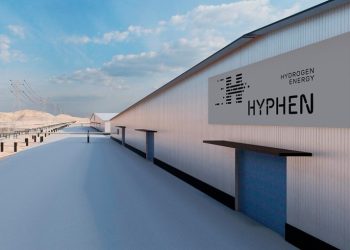
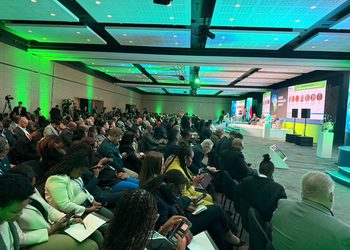
Speaking at the Green Hydrogen Summit, Namport Port Engineer and Executive Member, Elzevir Gelderbloem, said the project seeks to harness Namibia’s mineral resources alongside renewable energy from the sun and wind to produce green molecules such as hydrogen and ammonia.
Infrastructure to process, store and export these resources will form the core of the collaboration, with Namport playing a central role in linking Namibia to European markets.
“This partnership positions Namibia as a gateway to Africa and Antwerp-Bruges as a gateway to Europe,” stakeholders said, underscoring the mutual benefits of strengthening energy supply chains across continents.
Gelderbloem added that the project is expected to attract investment, create jobs and position Namibia as a leader in green energy and critical raw materials in Africa, while helping Europe secure renewable energy imports.