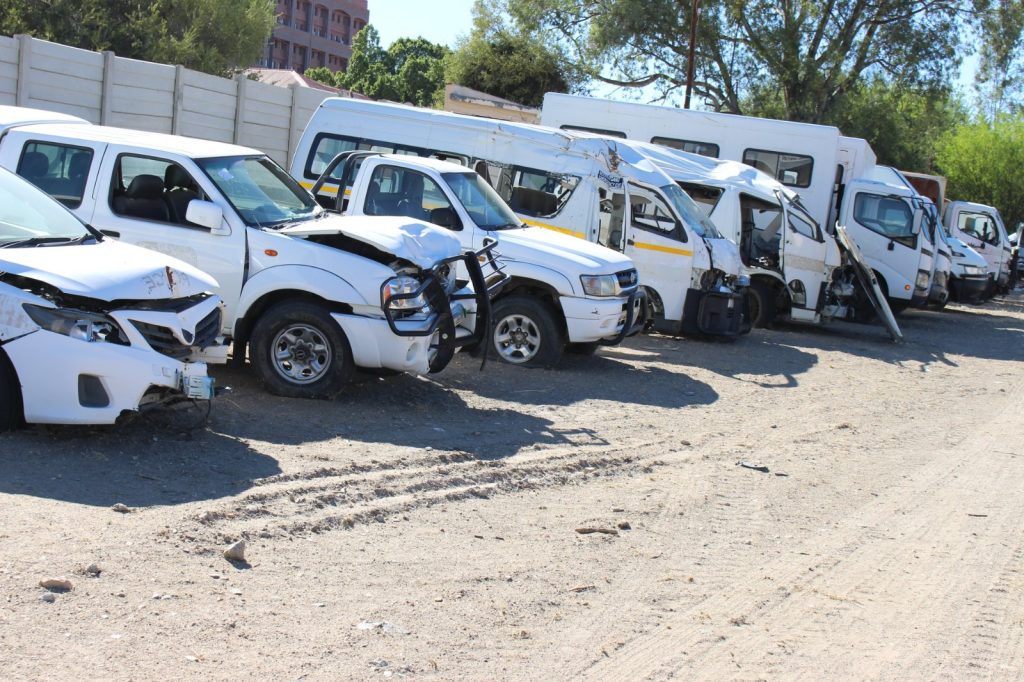
The Ministry of Works and Transport has identified 1,500 government vehicles for disposal after they exceeded both the five-year lifespan and the 120,000-kilometre limit stipulated in the fleet policy.
Works and Transport Minister Veikko Nekundi told Parliament the vehicles had outlived their usefulness and would be replaced through the established procurement framework.
“This marks a turning point in ensuring that public assets are managed in line with policy and that resources are not wasted on vehicles past their service life,” he said.
In addition, 306 vehicles deemed damaged beyond repair or mechanically obsolete were auctioned between 16 June and 3 September 2025, generating N$24,947,670.
“The funds raised provide us with the means to reinvest directly into renewing the government fleet with safer and more efficient alternatives,” Nekundi explained.
A total of 40 public auctions were conducted across the country during this period. Nekundi said the outcome demonstrated the financial value of a structured disposal programme.
“By following transparent and accountable processes, we are showing that even ageing assets can yield value when managed responsibly,” he said.
The minister noted that much of the fleet was procured in or before 2014, with many vehicles in service for more than ten years — double the intended limit.
“When vehicles operate far beyond ten years, they not only defy policy but also increase costs through breakdowns, towing, and high maintenance,” he said.
Nekundi further warned that the outdated fleet had compromised safety and undermined service delivery.
“It is unacceptable for staff to risk their safety in vehicles that should have been retired years ago, and equally damaging when citizens experience delays because the fleet cannot perform,” he cautioned.
He added that the disposal strategy would cut waste, generate revenue, and allow government to reinvest in essential services.
“Our approach ensures that savings and proceeds are redirected to priorities that benefit Namibians, strengthening both transport reliability and overall public service delivery,” he said.