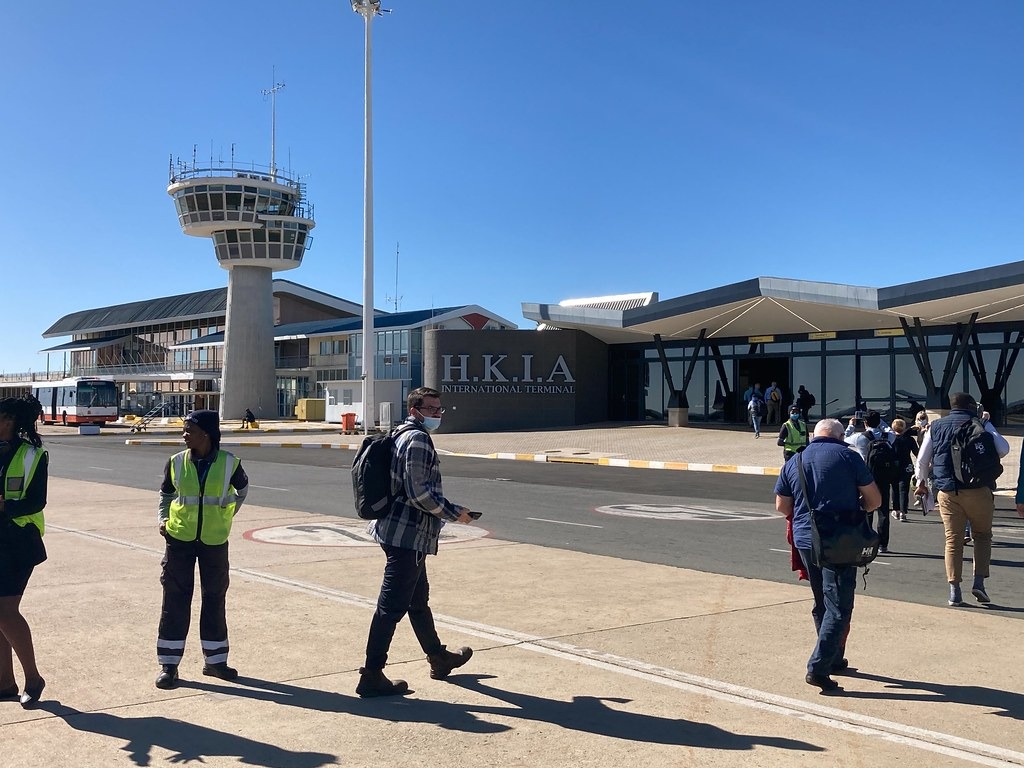
Namibia’s tourism sector has recorded its strongest rebound since the pandemic, but high airfares, visa delays and ongoing glitches in the eVisa platform continue to limit international arrivals and raise doubts over the country’s ability to deliver a seamless visitor experience.
Simonis Storm Junior Economist Almandro Jansen said limited direct air access and visa-related challenges remain serious constraints.
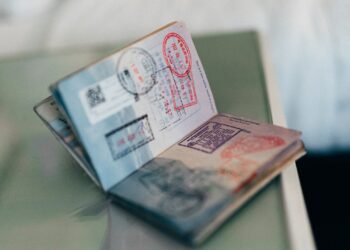
He pointed to high fares from long-haul markets, congestion and delays at entry points, and the recent introduction of administrative fees for visas on arrival as obstacles for international travellers.
Glitches in the eVisa platform, he added, have further complicated the visitor experience.
“These issues, coupled with broader geopolitical uncertainties and rising travel costs, are weighing on outbound travel demand from core European markets,” Jansen said.
National occupancy rose to 67.55% in August 2025, up from 59.61% in July, the highest monthly figure since the pre-pandemic peak of 69.9%. Year-to-date occupancy averages 50.07%, slightly above the 2019 benchmark of 48.93%.
Jansen said domestic factors also influenced August’s performance. Public holidays boosted local tourism, while South African arrivals fell from 9.39% in July to 5.39% in August following the end of the school holiday season.
Leisure travel dominated, accounting for 98.48% of arrivals, with lodges attracting 67.72% of visitors.
Tent camps and tented lodges remained popular for nature-based experiences, while self-drive tourism continued to drive demand for rental vehicles and camping gear, supporting retail spending and dealership profitability.
Regionally, the northern area recorded the highest occupancy at 70.63%, followed by the south at 67.45%, the coast at 67.0% and the central area at 61.9%.
The north’s strong performance was boosted by Heroes Day commemorations, the Ongwediva Trade Fair, and international arrivals to Etosha National Park and the Kunene region.
“The recent introduction of additional administrative fees for visas on arrival, combined with ongoing glitches in the eVisa platform, have raised concerns about Namibia’s ability to portray a seamless and welcoming visitor experience,” Jansen said.
He added that “unlocking the sector’s full potential will require an all-of-government approach to address structural bottlenecks in air access, visa processing, and border efficiency, ensuring Namibia strengthens its reputation as a convenient and welcoming destination.”
Jansen also noted growing arrivals from Italy, France and the DACH region, with improved connectivity such as the Munich–Windhoek flight providing reasons for optimism.
But he cautioned that overcoming air and visa constraints is essential to sustaining growth, diversifying markets and consolidating Namibia’s position in the global tourism industry.