Wednesday, November 11, 2026
Subscribe
The Brief | Namibia's Leading Business & Financial News
  • Home
  • Companies
    • Finance
    • Agriculture
    • Technology
    • Property
    • Trade
    • Tourism
  • Business & Economy
  • E-PAPERreader
  • Mining & Energy
  • Opinions
    • Analysis
    • Columnists
  • Africa
No Result
View All Result
The Brief | Namibia's Leading Business & Financial News
Subscribe
No Result
View All Result
Home Opinions

The case for natural gas in Namibia

by reporter
August 7, 2025
in Opinions
6
A A

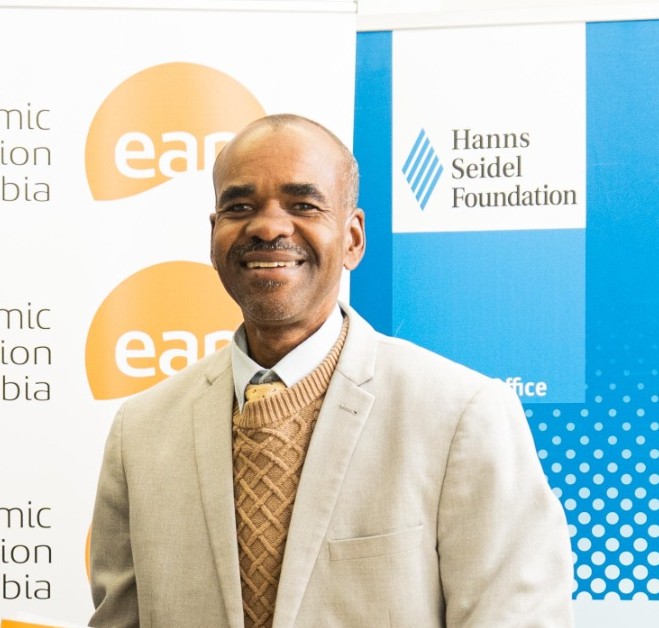
By Cons Karamata

Namibia’s offshore oil discoveries have sparked widespread optimism about the country’s future.

With billions of barrels of oil and trillions of cubic feet of gas now confirmed off the Namibian coast, there is growing hope that these resources can transform the economy.

However, reports have since indicated a technical and commercial challenge: the reservoirs contain a high proportion of associated natural gas.

According to investors, this “gas-to-oil” ratio could drive up production costs and delay project timelines unless addressed. This situation calls for careful, proactive negotiations to strike a balance between investor returns and the country’s long-term development needs.

At the Economic Association of Namibia (EAN), we believe that Namibia must make full use of its natural gas, not treat it as a by-product. Natural gas is more than just a transitional fuel; it is a cornerstone for economic diversification.

It can power electricity generation, supply feedstock for fertilisers and petrochemicals, support the growth of heavy industries, and reduce Namibia’s reliance on expensive energy imports. With appropriate planning, Namibia can unlock new value chains, create employment, and spur industrialisation.

Namibia is not alone in facing such complexities. Countries like Guyana and Trinidad and Tobago offer useful reference points. Guyana, though a newcomer to the oil industry, is implementing a Gas-to-Energy project to utilise associated gas for domestic electricity—an initiative that supports both investor operations and national development.

Trinidad and Tobago, with a more mature sector, has long used its natural gas for downstream processing and LNG exports, building a globally competitive energy economy.

These experiences highlight the value of aligning gas strategies with broader national goals.

Nigeria’s experience serves as a compelling case study. For decades, Nigeria flared vast volumes of gas— over 2.5 billion cubic feet per day in the early 2000s.

The economic and environmental costs were staggering. However, with the implementation of the Nigerian Gas Master Plan in 2008 and the Petroleum Industry Act in 2021, the country began turning this challenge into opportunity.

The Nigeria LNG project alone processes over 22 million tonnes of gas per annum, significantly contributing to government revenue and the country’s energy needs. Between 2005 and 2022, Nigeria reduced gas flaring by nearly 70%.

The lesson is clear: strategic policy reform, infrastructure investment, and stakeholder cooperation can transform natural gas from a cost burden into a pillar of national development.

Namibia, still in the early stages of oil and gas development, has the advantage of foresight. Globally, demand for natural gas continues to rise.

According to the International Energy Agency (IEA), natural gas consumption is projected to increase by 12% between 2022 and 2030, especially in regions where gas plays a key role in energy transition strategies.

Europe’s recent energy crisis has further highlighted the strategic value of gas as a flexible and relatively cleaner energy source.

As stakeholders gather at the upcoming Namibia Oil and Gas Conference next week, hosted by the Economic Association of Namibia (EAN) in partnership with the Namibia Investment Promotion and Development Board (NIPDB) and the Hans Seidel Foundation (HSF), these issues will take centre stage.

The conference offers a vital opportunity for government, industry, and civil society to align on a national gas strategy—one that ensures our gas resources are used for the benefit of the Namibian people.

As we shape the future of Namibia’s energy economy, let us draw from the experiences of our peers, not just in governance and local content, but in how we view and use our natural resources.

By engaging early, negotiating constructively, and planning strategically, Namibia can ensure that its hydrocarbon resources are not only extracted—but transformed into building blocks of national development.

*Cons Karamata is the Chief Executive of the Economic Association of Namibia

author avatar
reporter
See Full Bio
Previous Post

Namibia’s food costs rise despite strong cereal harvest

Next Post

Namibia’s annual inflation eases to 3.5% in July

Must Read

Smiling woman with shoulder-length brown hair wearing a pink blouse against a beige background.
Opinions

When technology outpaces education

November 10, 2026
Close-up portrait of a woman wearing a gray blazer over a black-and-white striped top, facing the camera against a gray background.
Opinions

AI will change our jobs, but will it change what makes us valuable?

November 10, 2026
Woman in a black blazer at a podium giving a speech, wearing an orange lanyard, with a large screen behind showing 'Lisa Matom'
Opinions

Big dreams, small beginnings: Why graduates should not overlook SMEs

November 10, 2026
Smiling man in a gray pinstripe suit and white shirt, posing indoors with blinds in the background.
Opinions

The degree delusion: How Namibia’s economy is failing its own graduates

November 9, 2026
And yet we expect teachers to personalize education
Opinions

Africa’s poverty is a choice, not a lack of means

November 9, 2026
Why Humility Is the New Competitive Advantage in Leadership
Opinions

Beware of the person with nothing to lose

November 6, 2026
Load More

Related News

NAMICA recorded the cheapest wholesale basket in february 2026

NAMICA recorded the cheapest wholesale basket in february 2026

March 15, 2026
SA Finance minister calls for fuel-price reforms

SA Finance minister calls for fuel-price reforms

December 13, 2021
Namibia’s growth outlook remains disappointingly lacklustre, experts

Namibia’s growth outlook remains disappointingly lacklustre, experts

January 24, 2022

Browse by Category

  • Africa
  • Agriculture
  • Analysis
  • Business & Economy
  • Columnists
  • Companies
  • e-edition
  • Finance
  • Finance
  • Fisheries
  • Green Hydrogen
  • Health
  • Investing
  • Latest
  • Market
  • Mining & Energy
  • Namibia
  • namibia
  • News
  • Opinions
  • Property
  • Retail
  • Technology
  • Tourism
  • Trade
The Brief | Namibia's Leading Business & Financial News

The Brief is Namibia's leading daily business, finance and economic news publication.

CATEGORIES

  • Business & Economy
  • Companies
    • Agriculture
    • Finance
    • Fisheries
    • Health
    • Property
    • Retail
    • Technology
    • Tourism
    • Trade
  • e-edition
  • Finance
  • Green Hydrogen
  • Investing
  • Latest
  • Market
  • Mining & Energy
  • namibia
  • News
    • Africa
    • Namibia
  • Opinions
    • Analysis
    • Columnists

CONTACT US

Cell: +264814612969

Email: newsdesk@thebrief.com.na

© 2026 The Brief | All Rights Reserved. Namibian Business News, Current Affairs, Analysis and Commentary

Welcome Back!

Login to your account below

Forgotten Password?

Retrieve your password

Please enter your username or email address to reset your password.

Log In
No Result
View All Result
  • Home
  • Companies
  • Mining & Energy
  • Business & Economy
  • Opinions
    • Analysis
    • Columnists
  • Africa

© 2026 The Brief | All Rights Reserved. Namibian Business News, Current Affairs, Analysis and Commentary

This website uses cookies. By continuing to use this website you are giving consent to cookies being used. Visit our Privacy and Cookie Policy.