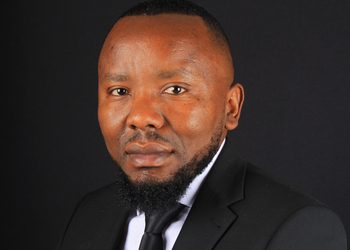
By Morna Ikosa
In September 2021, the Ministry of Finance cut off medical aid for 15,162 retired civil servants on the Public Service Employees Medical Aid Scheme (PSEMAS).
Retirees must apply to stay on the scheme within 90 days of retiring, and their contributions are deducted from their monthly pension.
Many of those cut off had withdrawn their full pension benefits, leaving nothing to deduct from. In December, the ministry offered an amnesty, giving them until May 2022 to reapply and settle any arrears.
The episode showed how closely a pensioner’s health is tied to the way they handled their retirement savings.
We usually talk about healthy ageing as a matter of lifestyle: eat well, keep moving, don’t smoke, drink in moderation, see your doctor. That advice stands.
Yet for most Namibians, the quality of their later years will also depend on a number few of them know, called the Income Replacement Rate (IRR).
The IRR measures how much of your final salary your pension replaces once you stop working. Someone who earned N$25,000 a month and retires on a pension of N$18,000 has a replacement rate of 72%.
At Kuleni Financial Services, we encourage members to aim for at least 70% to keep their standard of living.
Yet industry projections presented in 2024 found that only about 5% of Namibian members were on track to get there, and that most would replace less than half of their income.
That gap matters for health more than for anything else, because when the salary stops, the bills keep coming. Rent, food, electricity and support for family carry on as before, while medical costs go up.
Hypertension, diabetes, arthritis and heart disease become far more common after 60, and they rarely arrive alone. They bring regular consultations, chronic medication and, sooner or later, a hospital stay.
People who smoked, drank heavily or seldom exercised in their younger years tend to meet these conditions earlier and in a harsher form.
Then comes a surprise many private-sector workers only discover on their last day at work.
Many employers contribute to their staff’s medical aid, but that contribution usually ends at retirement unless the employer has made other arrangements.
The pensioner now pays the full premium from a smaller income, at the age when cover matters most. On 40% of a former salary, retirees start choosing between medical aid and other essentials, and medical aid is often the first to go.
So why do so few people reach a comfortable replacement rate? The biggest reason is cashing out. The same industry research found that only about 15% of members who change jobs preserve their retirement savings; the rest take the money.
Kuleni Financial Services Chief Executive Mr. Selby Sibeya has described this pension leakage as one of the greatest risks to dignity in old age. A payout on resignation, retrenchment or dismissal feels like relief at the time.
It settles a debt, buys a car or meets a family obligation. But every withdrawalstops compound growth. Money taken at 30 loses not only its value today but three decades of growth that would have followed. A few withdrawals over a career can leave a retiree with a fraction of what they need.
There is a better route. The Kuleni Preservation Fund, run by Kuleni Financial Services (Pty) Ltd, is open to any employee in Namibia, in the public or private sector, who leaves a pension or provident fund through resignation, dismissal or retrenchment.
The benefit transferred is tax-free and stays invested. Members who genuinely need cash can make a partial withdrawals within the first three years in Kuleni Preservation Fund and leaving the rest to grow.
Retiring well starts long before retirement. Look after your body now, because every walk, balanced meal and health screening reduces tomorrow’s medical bills. Look after your pension the same way.
Ask your fund for a benefit projection and find out your expected replacement rate. Ask your employer whether your medical aid cover continues after you retire. If it doesn’t, start building a reserve for it today. And if you are about to leave a job, speak to Kuleni Financial Services before you sign a withdrawal form.
No one plans to become the pensioner who cannot afford their medication. Most get there one withdrawal at a time.
Morna Ikosa, Business Development Manager at Kuleni Financial Services