By Erastus Ngaruka
Food self-sufficiency and food security may seem to be the same, however, these are two different phrases where food self-sufficiency is an enabler of food security.
Food self-sufficiency refers to the reliance on own production to meet or satisfy daily food consumption, rather than purchasing or importing from elsewhere.
On the other hand, food security refers to the availability and accessibility of sufficient, safe, and nutritious food produced anywhere. Moreover, food self-sufficiency is a critical aspect of food security and sustainable livelihoods.
Food production and distribution in the world are facing many challenges that can be attributed to harsh climatic events, population growth, political conflicts, and trade barriers, among others.
This has evidently resulted in food scarcity in many countries. In Namibia, food scarcity is prevalent to some extent, especially in destitute communities across the country. This unforgiving situation is exacerbated by the recurrent drought, floods, pests and disease outbreaks.
Agriculture in Namibia is the principal sector supporting all livelihoods and the national economy in the form of food provision, employment creation, and income generation.
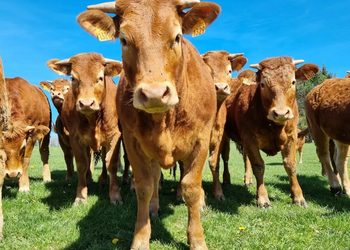
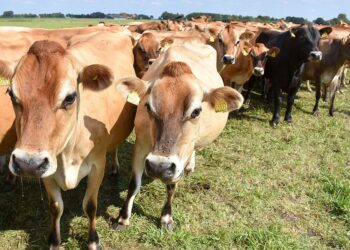
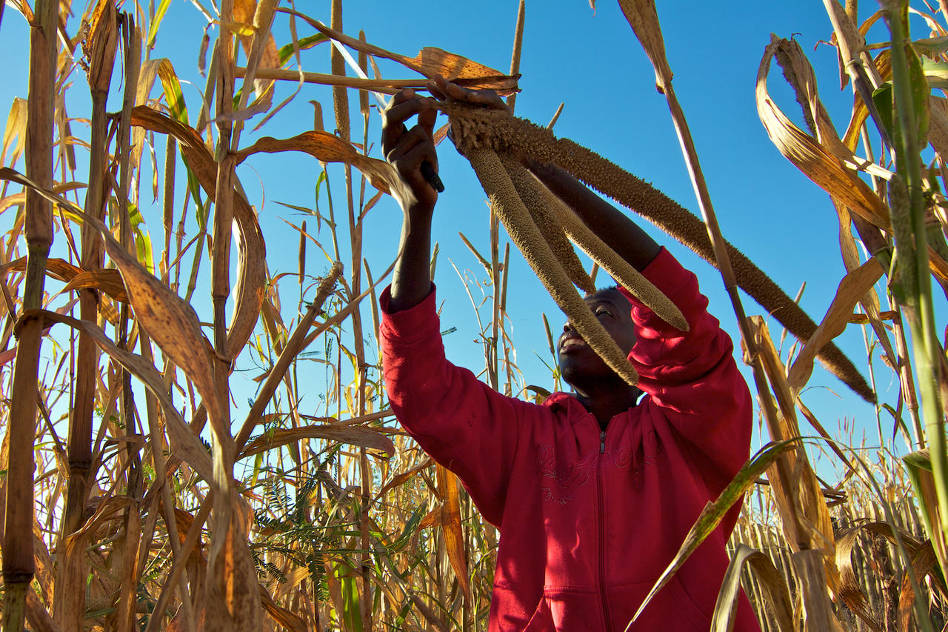
The sector is dominated by livestock production, mainly cattle, sheep and goats, as well as other opportunistic enterprises such as poultry, piggery, and dairy. Crop production includes maize and millet as staple foods, and horticultural production such as grapes, dates, onions, tomatoes, carrots, cabbage, and pumpkin, among others.
Some of these are produced on a commercial basis, whereas some are mainly under subsistence farming practices in communal farming areas, which harbor the larger portion of the farming population in the country.
Food production in Namibia is at different scales, where some is produced for commercial purposes, for example, targeting formal local and export markets. On the other hand, there are numerous subsistence farmers producing at a smaller scale mainly for household consumption.
However, despite efforts in agriculture production, Namibia still imports significant amounts of food as local production cannot meet local consumption needs. This is evident in the production of crops, pig and poultry products, among others.
The common limitations towards sustainable agricultural production in Namibia include the lack of knowledge/skills, access to land, finance, the lack of inputs, inappropriate technologies, inaccessible markets, inadequate farm infrastructure, high cost of production, rural-urban migration, unfavorable climatic conditions, land degradation, pests and diseases, and in some cases, slow or poor implementation of policies or developmental agendas among others.
Food self-sufficiency requires a multifaceted approach where all aspects from production to consumption are identified and understood to explore appropriate production practices aimed at increasing agricultural output.
Efforts to improve local production should be based on localized research and experimental activities focusing on production methods and technologies to ensure the sustainable production of safe foods, including indigenous foods.
Increasing the consumption of local foods is key to stimulating local production and food self-sufficiency. This, in turn, reduces dependency on food imports and associated costs. Such initiatives can be promoted through local institutions such as schools, hospitals, prisons, and various food distribution programs aimed at addressing hunger in destitute communities.
These institutions can serve as catalysts and gateways for local farmers, helping them to sustain production, access services and markets for the growth of their farm businesses.
Another consideration for sustainable food production is access to land, affordable finance, production inputs, information, and capacity building services.
Moreover, another weakness in sustainable food production in the country is the reliance on imported inputs such as seeds, implements or machinery, among others.
This reliance stems from the unavailability of these inputs due to insufficient capacity to manufacture or produce inputs locally.
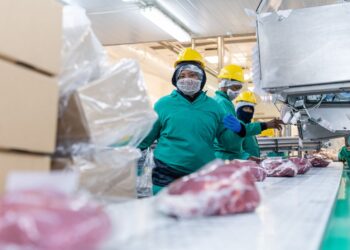
Therefore, the country needs to develop local input manufacturing industries to reduce the dependency on the importation of certain inputs. In addition, value addition to local foods and raw materials will also reduce the importation of finished products.
This will ultimately lower the cost of production and food prices, and in turn increase production and the consumption of local foods.
In conclusion, food self-sufficiency is a developmental agenda that requires coordinated efforts to strengthen and harmonize support systems such as policies, institutions, and investments to ensure sustainable agricultural and economic development.
* Erastus Ngaruka is a Technical Advisor: Livestock & Rangeland Management at Agribank