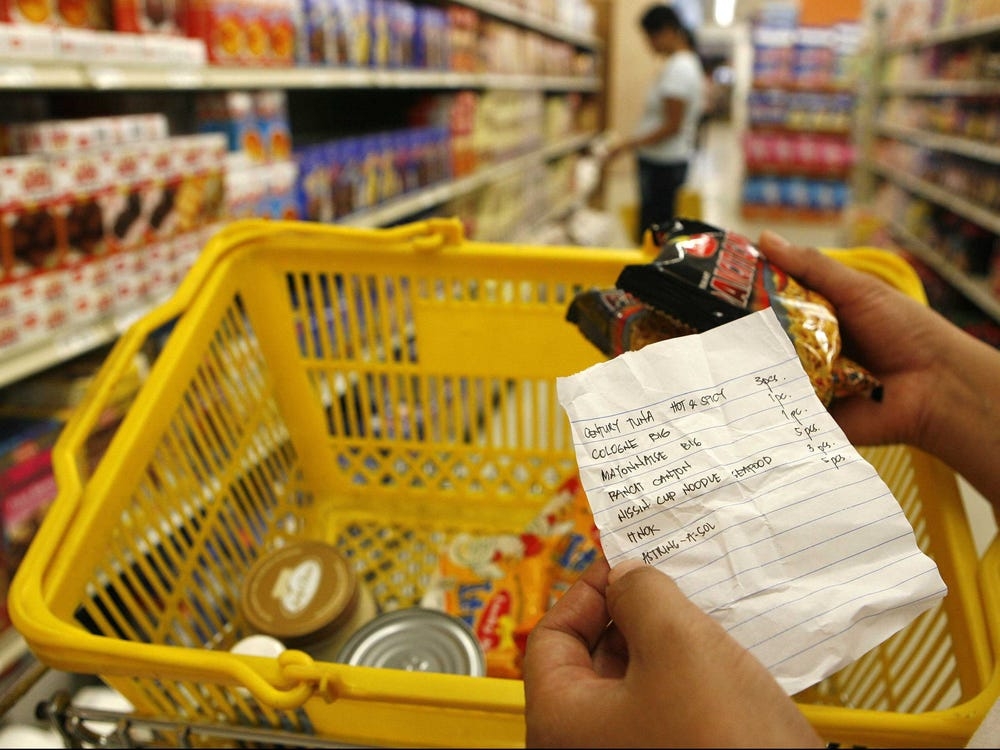
The Ministry of Finance is considering zero rating value-added tax (VAT) on some essential goods as part of wider efforts to provide sustainable support to low-income families and improve the targeting of social grants.
Executive Director Michael Humavindu said reviewing VAT could provide a more sustainable way of helping vulnerable households. “Maybe we need zero rating some of the VAT goods that are used daily by poorer households instead of giving someone cash. So I think it’s for all of us as Namibians to think as to how do we support those issues,” he said.
This comes as the ministry looks at new measures to tighten the targeting of social grants to ensure public funds reach the most vulnerable households, having identified gaps in the system. “We have realised that there are households that actually benefit from the social grants, but there are also extremely needy households that don’t benefit anything,” Humavindu said.
He said the ministry is considering introducing means and asset testing to address these imbalances. He also questioned whether the current model of uniform payments is the most effective. “The other issue also has to do with do we just have to give every household a N$600? Or are there other means of supporting poorer households, given the fact that I mentioned earlier that 22% of the national population, household population, is now poor,” he noted.
The remarks come as the ministry has proposed N$7.2 billion for social grants under Vote 09 of the 2025-2026 Appropriation Bill.
On broader fiscal planning, Humavindu said the ministry is also focusing on expenditure reviews to improve efficiency. “Overall in terms of budget allocation, that we really get into a particular vote, understand how the money flows, understand where the money comes from,” he explained.
The first reviews will cover priority areas. “It is also tied to the zero budgeting aspect. But if we take some of the critical ones, health, education, agriculture, PSEMAS, for example, and really do a serious expenditure review of where does that money goes, we might realise where we can do some savings and help them reorganise the budget for greater impact,” he said.
Humavindu said the exercise will start this year. “The ministry intends to start that public expenditure review this year, hopefully with two or three. And then with that we want to roll this out to at least up to 10 sector votes,” he said.