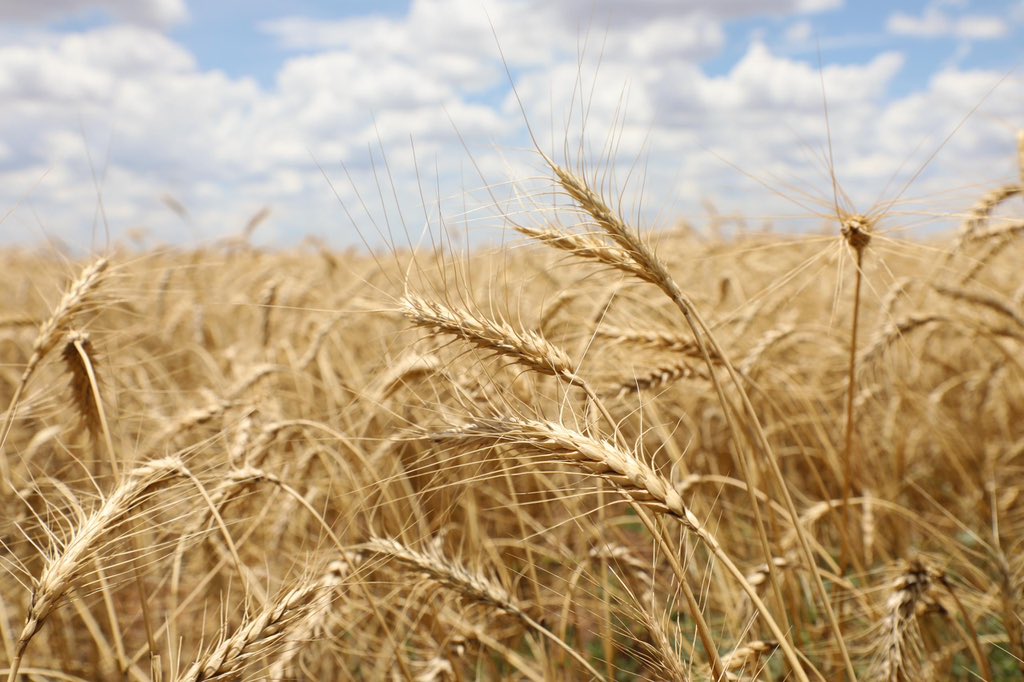
Cereal production in Namibia is forecast to increase modestly in 2025, contributing to a wider regional rebound following last year’s drought.
However, the country’s harvest is still likely to remain below average, according to the July 2025 Crop Prospects and Food Situation report by FAO.
The assessment shows a mixed recovery across Southern Africa, where rainfall patterns varied sharply between countries.
“Modest production increases are forecast in Angola, Botswana and Namibia, where, however, outputs are still likely to remain below average,” FAO reported.
Harvesting of the main summer cereal crop has concluded across much of the region, with the winter wheat crop still to be collected later in the year.
“The total cereal production in Southern Africa is projected at 38.5 million tonnes in 2025, an increase of over 20% compared to 2024. This marks a significant recovery from last year’s drought-affected output,” FAO noted.
Namibia’s improved output is expected to ease food insecurity pressures in parts of the country. The number of people facing acute food insecurity in 2025/26 is projected to fall from the 776,500 estimated between October 2024 and March 2025.
The report noted that localised food insecurity is still expected in areas impacted by dry weather, despite the overall improvement in production.
This comes as Namibia will need to import an estimated 333,000 tonnes of cereal for the 2024/25 marketing year, as domestic production remains insufficient to meet demand.
FAO highlighted that the country will need to import 105,000 tonnes of wheat, 22,000 tonnes of rice, and 206,000 tonnes of coarse grains.
“Per capita consumption is projected at 114kg per year, consisting of 41kg of wheat, 8kg of rice, and 65kg of coarse grains,” noted FAO.
The demand comes as domestic cereal availability is expected to reach 105,000 tonnes, comprising 85,000 tonnes from production and a 20,000-tonne stock drawdown
“Total domestic cereal availability is projected at 105,000 tonnes, consisting of 85,000 tonnes from production and a 20,000-tonne stock drawdown,” said FAO.
The country’s wheat production is expected to reach 20,000 tonnes, while coarse grain production is estimated at 65,000 tonnes.
“Total cereal utilisation is projected at 438,000 tonnes, with food consumption accounting for 344,000 tonnes, including 125,000 tonnes of wheat, 23,000 tonnes of rice, and 196,000 tonnes of coarse grains,” FAO data reveals.
Elsewhere in the region, Malawi and Mozambique are both expected to see increases in cereal output. Mozambique’s harvest is pegged at a slightly above-average level, while Malawi’s production remains below average due to rainfall deficits in the southern region.
Eswatini and Lesotho are forecast to produce above-average cereal harvests, supported by more favorable weather.