By Erastus Ngaruka
A significant number of livestock mortalities in many farming areas can be attributed to plant poisoning especially during the spring months, at the onset of rainfall activities, or during periods of drought especially in degraded rangelands.
Many rangeland plant species contain chemicals that are poisonous to livestock when consumed. Poisonous plants vary in their toxicity and the body organs they affect. Generally, the level of toxicity can be classified into two; plants that are extremely toxic and those with low toxicity levels. The extremely toxic plants such as Dichapetalum cymosum (Poison leaf/Gifblaar/Otjikurioma) will only have to be ingested in small amounts to cause harm or for animals to show signs of poisoning and may result in sudden death.
Whereas plants with lower toxicity such as Geigeria ornativa (Vermeerbos) show their effects after being consumed in larger amounts and over a longer period.
The toxicity of poisonous plants is influenced by several factors such as soil type, climatic factors, seasons, plant growth stage, plant segment eaten, and plant moisture content amongst others. Different poisonous plants cause varying effects and clinical signs in animals. These can range from heart problems, nervousness, diarrhoea, liver damage, obstruction in the gut, skeletal and skin problems, reproduction problems, and plants causing a taint in meat and milk.
Furthermore, some valuable forage plants exhibit toxic effects when overconsumed, eaten at a certain growth stage, or when certain plant components such as flowers are eaten. For example, Tribulus terrestris (devil’s thorn, ohongwe, Oshosholo, Nhonho, duwweltjie) is a common weed in many areas, it is a valuable forage plant that is well- utilized when green but becomes poisonous at the wilting stage.
Others include grasses such as Cynodon dactylon (quick grass, ongwena, kweekgras) and Panicum maximum (guinea grass) amongst others. Moreover, fodder plants such as lucerne, maize and others can also cause poisoning (e.g. nitrate poisoning), for example when hay is spoiled and mouldy.
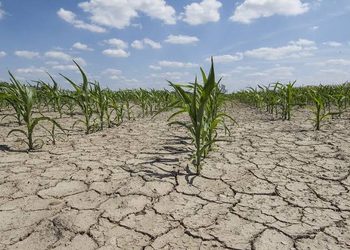
In many rangelands, poisonous plants mostly emerge during the spring months (July to October) and when pastures are in poor condition or overgrazed. In some rangelands, they form part of the plant composition throughout the year. Animals are vulnerable to poisonous plants due to a combination of factors. One of the contributing factors is hunger, especially during periods of forage scarcity or drought where animals can be tempted to consume these plants as they could be the most available green
forage. The second factor is inexperienced animals such as the young or animals introduced in a new grazing area and are not familiar or cannot distinguish between the local valuable plants and potentially harmful plants. A third factor will be accidental poisoning where these plants can grow in a mix and blend well with grazeable plants, resulting in animals consuming them all together.
The basic means of preventing and treating plant poisoning include:
Avoid overgrazing and do not allow animals to graze in areas where poisonous plants dominate. Such areas can be camped-off and grazed only when the poisonous plants disappear, and valuable plants dominate especially during the rainy months.
In the event of suspected poisoning, the animal should not be allowed to drink water for at least 2 days especially when poisoning is suspected to be from an extremely toxic plant (e.g., Poison leaf). Moreover, the animal should be handled with care and not stressed. These are ways to limit or slow down the circulation of poison through the entire body.
There are remedies used to neutralize the poison in the animal’s body. Some of them include.
o Hypo; resembles crystal-like content that should be mixed with water. It can be added to the water in the drinking trough and all animals can drink as they arrive from the veld.
o Charcoal; this can either be activated charcoal sold commercially or the normal charcoal from the fire. Normal charcoal is the easiest home-based remedy to use. Make sure to finely grind it and mix it with water before giving it to the affected animal orally. These remedies and others are readily available in agriculture shops and their use should be according to the instructions on the labels.
In conclusion, farmers should familiarize themselves with their rangeland and develop an inventory of local valuable plants and poisonous plants. Moreover, there are guidebooks for more information and assistance with the identification of these plants. Such books include “Toxic Plants of Veterinary Importance in Namibia” and “Grasses of Namibia” amongst others. These can be sourced from book shops in the country, and from the National Botanical Research Institute.
*Erastus Ngaruka is Technical Advisor (Livestock & Rangeland Management) at Agribank