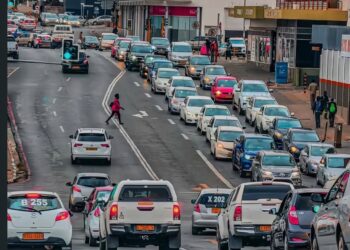
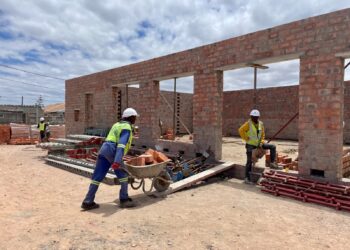
The most severe power cuts ever experienced in South Africa are threatening food and water supplies and disrupting the lives of millions of people, including chicken farmers.
In the poultry industry, electricity outages have forced factories to pause round-the-clock operations for as long as half a day at a time. As a result, over 10 million birds designated for slaughter are still alive and consuming feed, creating a backlog that companies fear they won’t be able to fix.
“We actually have enough chickens on farms around the country, but we can’t supply the market because we can’t slaughter the chickens,” Izaak Breitenbach, Chief Executive Officer of the South African Poultry Association, said in an interview.
As a stopgap measure, producers have begun using generators, which cost the industry about 75 cents above the normal price of production per kilogram of chicken.
In response to these pressures, KFC temporarily shuttered some of the 750 fried chicken restaurants it operates in the country at the end of last year.
Chicken is one of the most affordable sources of animal protein in South Africa, and as the country battles a cost-of-living crisis — the central bank’s 2023 forecast for food price inflation was recently raised to 6.2% — a sharp price increase could render it beyond many people’s means. Last year, producers raised poultry prices by 17%.
This is just one example of how the energy crisis is roiling the continent’s most industrialized economy.
Agriculture Suffers
Over the last 15 years, Eskom, which provides 90% of all of South Africa’s electricity, has kept its grid from collapsing by cutting power when it has been unable to meet demand. Known locally as “load shedding,” these planned blackouts mainly affected mining operations and heavy industry until last year, when they became much more widespread.
As the utility has struggled under a leadership crisis, its assets have deteriorated from age, lack of maintenance and even vandalism, all of which pushed outages to record levels in 2022.
If outages continue at those levels, said Chris Hattingh, Head of Policy Analysis at the Centre for Risk Analysis, South Africa’s GDP growth this year will likely be capped at 1.5%.
The blackouts have created problems at every step of the agricultural production chain, affecting crop irrigation, processing and storage. Stores have also taken costly measures to keep produce from spoiling on shelves.
Some of the country’s biggest food retailers, Shoprite and Woolworths, have increased investment in standby generators, rooftop solar panels and refrigerated trailer trucks. But smaller businesses haven’t had opportunities to adapt.
The Sowetan, a local newspaper, addressed a cover story to President Cyril Ramaphosa that listed dozens of small companies “crippled by every failed promise to fix Eskom.”
Among those affected are farmers in the Northern Cape province, who are already suffering under massive heat waves that have seen temperatures in some areas edge toward 117 degrees. Without energy, they can’t irrigate their crops, which include thirsty citrus trees.
“If you don’t have enough electricity, you don’t have enough water,” said Nicol Jansen, president of Agri Northern Cape, adding that cash crops such as soybeans are also vulnerable. “We urgently need more electricity in the irrigation areas.”
Dirty Beaches
Other sectors have also been affected. For months, municipal and provincial authorities and utilities have urged consumers to cut back on water usage, as a lack of electricity can prevent stations that pump water through pipes from operating at full capacity.
In Cape Town, at the height of the holiday tourism season, public warnings were issued to avoid sections of the beach that had been closed due to sewage spills after wastewater pumps broke down. To avoid these kinds of situations, the city initiated plans last year to procure renewable energy from independent producers.
“The most profound effect is major stress on all of our infrastructure,” Geordin Hill-Lewis, Cape Town’s mayor and a member of the opposition Democratic Alliance, said of the outages.
Stopgap Solution
As South Africa’s government has been delayed in its efforts to increase the amount of electricity it buys from private suppliers, diesel-powered generators remain the last line of defense against electricity shortages. Yet Eskom has repeatedly run down diesel supplies and exhausted its budget to buy more.
The cost has been significant. Shoprite, for example, is currently spending an extra R100 million per month on diesel to keep the lights on in its stores.
Hattingh, the risk analyst, is worried that the current situation is not sustainable. With the vast majority of South Africans struggling with higher costs, the “average feeling is things are teetering on the precipice.”-bustech