Thursday, September 10, 2026
Subscribe
The Brief | Namibia's Leading Business & Financial News
  • Home
  • Companies
    • Finance
    • Agriculture
    • Technology
    • Property
    • Trade
    • Tourism
  • Business & Economy
  • E-PAPERreader
  • Mining & Energy
  • Opinions
    • Analysis
    • Columnists
  • Africa
No Result
View All Result
The Brief | Namibia's Leading Business & Financial News
  • Home
  • Companies
    • Finance
    • Agriculture
    • Technology
    • Property
    • Trade
    • Tourism
  • Business & Economy
  • E-PAPERreader
  • Mining & Energy
  • Opinions
    • Analysis
    • Columnists
  • Africa
No Result
View All Result
The Brief | Namibia's Leading Business & Financial News
Subscribe
No Result
View All Result
Home Companies Finance

Namibia heads for a big interest rate hike

by editor
May 20, 2022
in Finance
6
A A

Namibia will see another interest rate hike next month, although the increase could be higher than previously forecast, economic analysts have predicted.

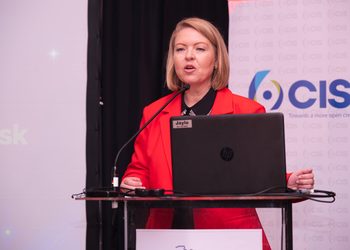
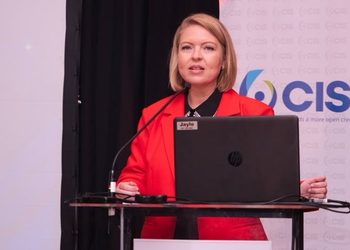
“Given that Namibian interest rates are closely aligned to those of the SARB’s Bank of Namibia will likely follow the interest rate decision by the SARB in the June meeting,” FNB Namibia Group Economist, Ruusa Nandago told The Brief.

She,however, warned should the Bank of Namibia’s Monetary Policy Committee decide not to follow South African Reserve Bank (SARB)’s 50 basis points hike to 4.75%, the largest hike since January 2016, the move could negatively impact the country’s peg with the Rand.

“Should they choose not to follow it might result in capital outflows to South Africa where interest rates are higher and consequently a decline in foreign exchange reserves which is detrimental to the peg. If they choose note to follow then they will have to find other levers to prevent capital flows,” Nandago said.

On whether her rate hike projections for the year still stand, the FNB Namibia Group Economist said, “the forecasts we had at the beginning of the year did not incorporate a 50bps increase in one meeting but rather a 25bps. Therefore forecasts will have to be updated to include an additional 25bps hike.”

Other analysts believe that the BoN will have to walk a tightrope to ensure its efforts don’t derail the recovery from the COVID-19 pandemic as Russia’s invasion of Ukraine introduces new uncertainty in an economy battered by supply chain bottlenecks and rising fuel prices.

Simonis Storm Economist Theo Klein said he expected a 50bps hike as the Forward Rate Agreement (FRA) curve factored this in.

“Also, SARB’s MPC did mention that they might support a 50bps hike in their market commentary last month. We expect Bank of Namibia to follow SARB by also hiking with 50bps at their next meeting on 15 June,” he said.

Klein said the narrowing difference between interest rates in the US and South Africa have led to a weaker Rand, a development which is inflationary considering South Africa and Namibia’s high import dependency.

“The narrowing differential between interest rates in the US and South Africa have led to a weaker Rand. South Africa has MPC meetings every two months compared to the Fed’s FOMC who meet every six weeks. With the Fed expected to hike by 50bps at their next two meetings, the US rate hikes will outpace South Africa’s cumulative rate hikes, which adds to Rand weakness risks,” he said.

“We see the rationale for interest rate hikes due to Rand weakness, as inflation is driven by supply side factors which are not influenced by interest rates. By raising interest rates and enticing foreign capital to remain in South Africa, Rand depreciation can be limited to an extent, which in turn would limit inflation somewhat.”

Klein said rising interest rates will negatively impact households and the country’s construction sector.

“Rising interest rates in Namibia as a result of the above would weigh on household budgets who already face higher fuel, food and general merchandise goods prices. We also see a rise in building material costs and together with rising interest rates, it becomes more costly to build and this could weigh on growth in construction activity. On the other hand, we expect credit extended to the private sector to remain subdued, owing to increased risk aversion among banks. This is despite higher interest rates being beneficial to banks,” he said.

BoN raised its repo rate for the second time in a few months by 25 basis points in April to 4.25%. Since then, Namibia’s inflation has hit 5.6% as the cost of living continues to rise.

author avatar
editor
See Full Bio
Previous Post

Taxi-Connect wins Sanlam Bridge

Next Post

NaCC warns Dr. Weder, Kauta & Hoveka Inc against interference

Must Read

Namibia’s economy registers 1.9% growth to N$66.4bn in Q3
Finance

Namibia loses N$16.7bn annually to illicit financial flows

September 9, 2026
VIP visitors in white lab coats, purple hard hats, and hairnets tour a meat processing plant with hanging carcasses.
Finance

Meatco revenue jumps 56% to N$793m as cattle slaughter rises

September 9, 2026
A group of professionals posing on steps outside a brick building, two people in front holding framed awards.
Finance

BoN wins global financial inclusion leadership award

September 9, 2026
Tall stack of scattered papers and folders in a metal filing basket on a desk.
Finance

Ngurare demands answers over stalled govt job application digitisation

September 8, 2026
Group of men and women in business attire posing for a photo in a conference room; backdrop reads 'City of Windhoek'.
Finance

FNB, City of Windhoek strike preferential home loan, discounted debt consolidation deal for employees

September 8, 2026
Local NSX trade value drops to N$129 million despite market gains
Finance

NSX moves to NAMFISA approval after members back demutualisation

September 8, 2026
Load More

Related News

Namibia’s credit growth increases to N$357.1bn

Namibia’s credit growth increases to N$357.1bn

November 2, 2023
Insurance tycoon and Nando’s backer Dick Enthoven has died

Insurance tycoon and Nando’s backer Dick Enthoven has died

December 5, 2022
Private sector debt slows to N$121.1 billion in February

Private sector debt slows to N$121.1 billion in February

April 3, 2024

Browse by Category

  • Africa
  • Agriculture
  • Analysis
  • Business & Economy
  • Columnists
  • Companies
  • e-edition
  • Finance
  • Finance
  • Fisheries
  • Green Hydrogen
  • Health
  • Investing
  • Latest
  • Market
  • Mining & Energy
  • namibia
  • Namibia
  • News
  • Opinions
  • Property
  • Retail
  • Technology
  • Tourism
  • Trade
The Brief | Namibia's Leading Business & Financial News

The Brief is Namibia's leading daily business, finance and economic news publication.

CATEGORIES

  • Business & Economy
  • Companies
    • Agriculture
    • Finance
    • Fisheries
    • Health
    • Property
    • Retail
    • Technology
    • Tourism
    • Trade
  • e-edition
  • Finance
  • Green Hydrogen
  • Investing
  • Latest
  • Market
  • Mining & Energy
  • namibia
  • News
    • Africa
    • Namibia
  • Opinions
    • Analysis
    • Columnists

CONTACT US

Cell: +264814612969

Email: newsdesk@thebrief.com.na

© 2026 The Brief | All Rights Reserved. Namibian Business News, Current Affairs, Analysis and Commentary

Welcome Back!

Login to your account below

Forgotten Password?

Retrieve your password

Please enter your username or email address to reset your password.

Log In
No Result
View All Result
  • Home
  • Companies
  • Mining & Energy
  • Business & Economy
  • Opinions
    • Analysis
    • Columnists
  • Africa

© 2026 The Brief | All Rights Reserved. Namibian Business News, Current Affairs, Analysis and Commentary

This website uses cookies. By continuing to use this website you are giving consent to cookies being used. Visit our Privacy and Cookie Policy.