Namibia’s food security situation has deteriorated significantly, with an estimated 234,000 people, 9% of the population, experiencing serious food insecurity between April and August 2023, official figures reveal.
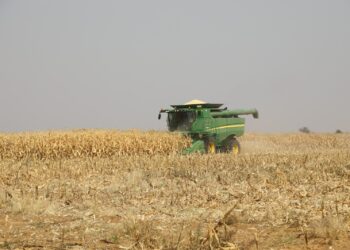
The Ministry of Agriculture, Water and Land Reform (MAWLR) says the dire situation has been underscored by widespread crop failure, plunging several crop farmers into a state of crisis during the cropping season of 2022-2023.
However, the MAWLR asserted that these projections are awaiting validation through the 2023-2024 Namibia Annual Livelihood Vulnerability Assessment and Analysis, which is currently underway.
The statistics are contained in the Ministry’s Crop Prospects, Food Security, and Drought Situation Report for July 2023, which reveals a grim reality that threatens the livelihoods of thousands.
According to the report, the majority of crop farmers have borne the brunt of this agricultural catastrophe, grappling with substantial crop losses.
“This critical blow has not only affected their present sustenance but has also significantly impeded their ability to replenish their food reserves for the future. Particularly concerning is the situation faced by households in key communal crop producing regions, where the depletion of harvests from the previous season has left them reliant on markets and drought relief food for survival,” states the report.
The Ministry warns of an impending catastrophe, highlighting that the meager harvest from the recent season is expected to be exhausted between August and December 2023, leaving these households grappling with severe food insecurity.
“While seasonal crops like squash, melons, and legumes usually provide some respite in terms of food security starting from March, the ongoing drought conditions have led to a limited availability of these essential food sources,” the report notes.
In specific regions like Zambezi, Kavango East, and Kavango West, farmers are grappling with an alarming situation.
“A meager harvest that is projected to sustain households only until September 2023 has left farmers in the Zambezi region struggling to find surplus to sell, with their focus primarily shifting towards household consumption,” the Ministry asserts.
Similarly, the Kavango regions mirror this pattern, with some farmers reporting a complete lack of harvest compared to the previous season.
Northern central regions, including Omusati, Ohangwena, Oshana, and Oshikoto, have not been spared from this crisis.
A significantly poor harvest, estimated to last a mere two to three months, has prompted households to deplete last year’s grain reserves and become highly dependent on the market for food access.
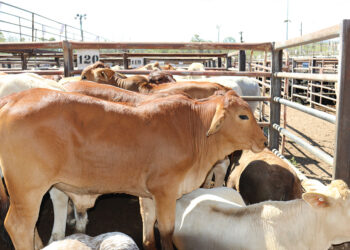
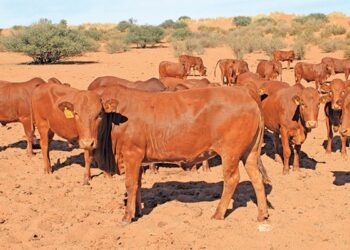
The MAWLR highlights that the situation remains grim in southern, eastern, and central Namibia, where livestock farming is a way of life.
However, the scarcity of grazing conditions due to drought puts livestock farmers in a precarious position, jeopardising their livelihoods.
This comes as in response to this escalating crisis, the Cabinet has issued directives to alleviate the dire situation.
The Office of the Prime Minister has been tasked with providing food assistance to drought-affected households in Omaheke, Hardap, and //Kharas Regions from July 1, 2023, to March 31, 2024.
This assistance complements existing efforts in Kunene, parts of Erongo, and Omusati Regions that have been receiving support in recent years.
Meanwhile, the Treasury says drought conditions often threaten the fiscus budget, resulting in authorities spending an average of N$500 million on drought relief programmes in an effort to cushion the affected communities from the severe effects.
The Minister of Finance and Public Enterprises Iipumbu Shiimi said the impacts of droughts and climate change on economic growth in Namibia are multifaceted and touch various sectors of the economy.
“On average, the Namibian Government spends around N$500 million on drought relief programmes, placing pressure on our fiscus. More worrisome is that the effects of climate change are not likely to ease up,” Shiimi said during a gala dinner where N$88.3 million Eba Grants were handed to the Environmental Investment Fund (EIF) to fight climate change last month.