A popular Namibian Instagram gossip page recently hosted a discussion on debt, where individuals anonymously shared their stories about how much they owed micro-lenders, banks, and other financial institutions.
These are some of the most shocking stories we found; One Government human resource (HR) officer shared that when the government announced the 3% wage increase, employees rushed to HR to sign forms from one of the big three micro-lenders. Another individual shared that they owed all the above microlenders as well as other smaller cash loans.
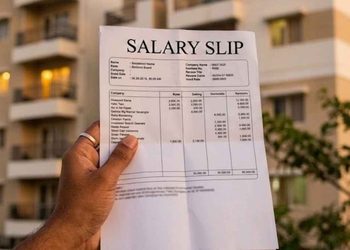
Yet another individual shared that when they receive their salary, it all goes to repay loan sharks leaving them with nothing to pay for rent. Some people even shared that they borrow from one micro lender to pay another. There has also been a trend of individuals opting to take out personal loans to buy cars in the second-hand car market instead of getting vehicle loans from banks.
This discourse left us shocked, prompting us to interrogate just how indebted Namibian individuals are, in the wake of high interest rates and inflationary environment. More concerning is that individuals are paying high interest rates on payday and term loans – this is even higher at most unregistered micro-lenders.
A rising tide of household debt
The Private Sector Credit Extension (PSCE) growth rate increased to 3.1% on an annual basis and 0.6% on a monthly basis in February 2023. The majority of credit is taken up by households (N$65,3 billion), and their 5.0% year-over-year growth is the highest since June 2020. Household credit reflects home loans, vehicle financing, credit cards, overdrafts, and personal loans.
Similarly, latest figures from NAMFISA show that, as of September 30th, 2022, the Microlending sector had a loan book value of N$ 7.1 billion. This figure would be much higher if it reflects the loan book of unregistered and underground cash loans.
For the past five years, household consumption has heavily relied on microlenders. In quarter three of 2022, there were 42 new microlenders registered, which represents a significant growth in the number of microlenders in the market, bringing the total to 389.
The fact that households are turning to microloans to (temporarily) raise disposable earnings is a sign of their dire financial situation as a result of increasing inflation and debt servicing that have reduced their incomes.
Breaking the Cycle of Household Debt
Being indebted as an individual can have several negative consequences, including financial stress, failing to make payments on time can lead to damage to your credit history at ITC, which can make it more difficult to access credit in the future, creditors may pursue legal action to recover unpaid debts, being in debt can also limit one’s financial options.
To avoid a debt trap, live within your means, budget wisely, and avoid unnecessary debt or negotiate better rates. Prioritize paying off high-interest debts and build an emergency fund. Shop smart to save on necessities and consider seeking professional financial advice to develop a tailored strategy for achieving your financial goals. Qualifying for any financing does not mean affordability.
Highly indebted individuals should not shy away from downgrading their lifestyles, talking to their families that they can no longer contribute to certain family gatherings – or even black tax. This will help them pay off their loans, which will take them out of the debt cycle.
For government and business, efforts to enhance financial stability and improve household economic outcomes in Namibia should focus on several key areas. Firstly, promoting financial literacy can help individuals make informed decisions about managing their finances.
Secondly, promoting financial inclusion by increasing access to digital financial services and formal financial institutions can help reduce reliance on informal lending and increase financial security, especially among marginalized groups and rural communities. Additionally, there is a need to develop new products – with low cost of borrowing such as Buy Now Pay Later (BNPL), and also alternative or non-traditional forms of collateral.
Despite these efforts, household debt remains a significant challenge for many Namibians, and ongoing efforts are necessary to address this issue and promote long-term financial stability.
*Enos Kamutukwata and Halleluya Ndimulunde, are Economists. These are personal views and do not represent the opinions of their employer or affiliates.