The government has called on traditional authorities to make communal land available for investment in mining, renewable energy, tourism and agriculture to stimulate economic activity and create employment in rural communities.
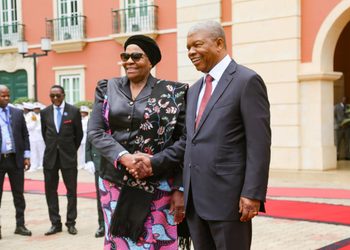
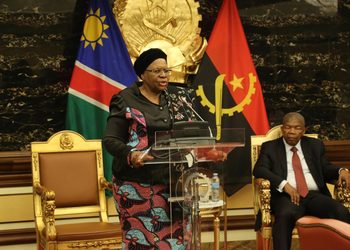
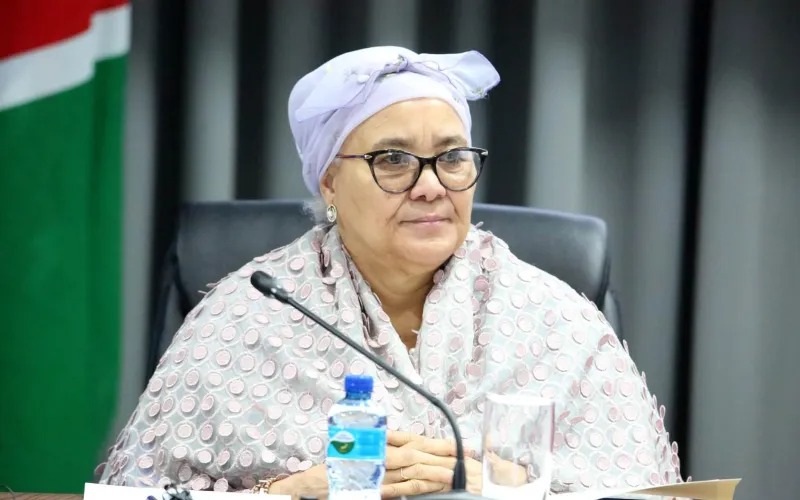
Vice President Lucia Witbooi said traditional leaders must work with the private sector and regional authorities to attract investment while ensuring that communal land is administered transparently and fairly.
Delivering a speech on behalf of President Netumbo Nandi-Ndaitwah at the opening of the 27th Annual Meeting of the Council of Traditional Leaders in Otjiwarongo, Witbooi said traditional authorities had a critical role to play in addressing unemployment, poverty and food insecurity.
“Thus, we need your support to welcome and protect investments in your areas of jurisdiction, whether it be mining, green energy, or sustainable tourism. We want our youth in the regions and in your localities to gain jobs right where they were born,” she said.
Witbooi urged traditional leaders to establish stronger partnerships with businesses and collaborate with regional and local authorities to identify investment opportunities that could improve livelihoods in communal areas.
“The government recognises traditional leaders as vital partners in development, not as hurdles,” she said.
She said traditional authorities must also support the implementation of the Sixth National Development Plan (NDP6), which covers the 2025/26 to 2029/30 period and prioritises inclusive economic growth, local value addition and beneficiation.
The plan seeks to increase domestic processing of raw materials, including minerals, to generate greater economic benefits and employment opportunities within Namibia.
Witbooi called on traditional leaders to support this transition by facilitating investment and making land available for development projects.
However, she warned that communal land administration must be strengthened to prevent illegal allocations, unlawful fencing and the sale of land by individuals without legal ownership rights.
“It is unacceptable for Traditional Authorities to deny less privileged community members access to communal land and farming opportunities,” she said.
Witbooi urged traditional authorities to work closely with Communal Land Boards to ensure fair access to land, warning that those involved in illegal communal land sales could face criminal prosecution.
She also raised concerns over prolonged traditional leadership succession disputes, saying they weakened communities, left leadership positions vacant and placed additional pressure on government resources.
“Therefore, I urge you to resolve disputes amicably and within the confines of customary law, rather than resorting to civil courts,” she said.
Witbooi further called on traditional leaders to support agricultural development and food security initiatives, particularly in communities affected by poverty and drought.
“Traditional leaders are our eyes and ears on the ground. You are there to serve as the frontline defence against poverty, drought and food insecurity,” she said.
She also encouraged traditional authorities to make land available for vocational training centres, innovation and artificial intelligence facilities, sports infrastructure and other youth development programmes aimed at expanding economic opportunities in rural areas.