Bank Windhoek is placing digital banking, artificial intelligence and customer retention at the centre of its three-year growth strategy as it seeks to improve operational efficiency and strengthen its position in Namibia’s banking sector.
The lender plans to expand digital payment solutions, improve customer service systems and increase the use of technology across its operations, following customer feedback highlighting concerns over platform stability, transaction speeds and service delays during peak periods.
Bank Windhoek Executive Officer of Marketing and Corporate Communication Services Jacquiline Pack said the strategy was aimed at strengthening customer loyalty and building longer-term banking relationships through improved service delivery.
“Customer experience is no longer only about resolving a query or completing a transaction. It is about earning trust at every touchpoint and turning that trust into stronger, longer-lasting relationships,” Pack said.
She said the bank was seeking to turn customer experience into a commercial advantage by combining technology, data and simplified processes with its existing relationship-based banking model.
Under the strategy, Bank Windhoek plans to develop a customer service centre supported by customer relationship management technology and artificial intelligence.
The bank also intends to expand payment solutions, accelerate digital banking adoption and improve service delivery across its branch network, self-service facilities and digital platforms.
The planned changes follow customer feedback that identified the need for greater platform stability, faster service during busy periods and more consistent customer support across banking channels.
Although customers highlighted banking security, user-friendly applications, reliable digital access and helpful staff as strengths, the bank acknowledged that improvements were still needed in several areas of service delivery.
The strategy builds on investments made under Bank Windhoek’s GoBeyond programme, launched in late 2020, which has seen branches across Namibia modernised to improve customer access and banking efficiency.
The programme introduced self-banking hubs, self-service machines and cash-accepting automated teller machines, allowing customers to conduct selected transactions outside normal banking hours.
The bank has also expanded access through multilingual ATM services, offering eight language options: English, Afrikaans, Damara/Nama, German, Otjiherero, Oshiwambo, Rukwangali and Silozi.
In April 2026, Bank Windhoek launched WhatsApp Banking, becoming what it described as the first bank in Namibia to introduce banking services through the messaging platform.
The service allows customers to check account balances, access mini statements, conduct selected payments and transfers, and obtain basic account assistance.
The bank said the platform was intended to improve banking accessibility, particularly for customers living far from physical branches.
Bank Windhoek has also been improving its website since 2024, focusing on simplifying information and making customer feedback mechanisms more accessible.
As part of efforts to improve service delivery, senior executives joined frontline employees at branches in Windhoek in August 2025 to assess customer interactions and identify areas requiring improvement.
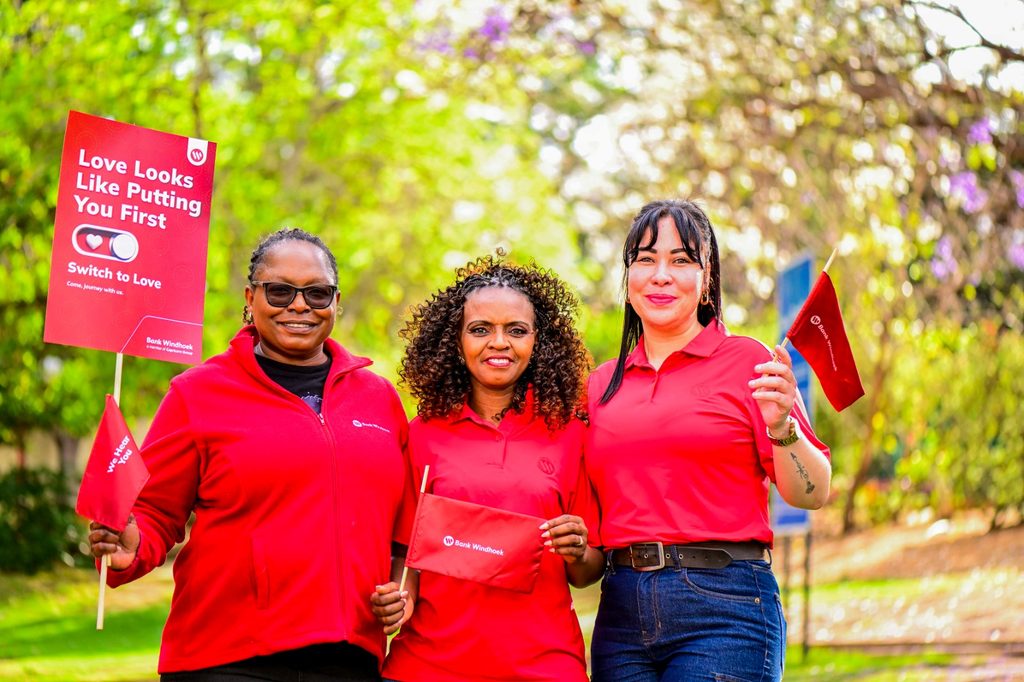
The bank also marked International Customer Experience Day in October 2026 through employee activities across the country.
Pack said the success of the strategy would depend on the bank’s ability to translate technology investments into improvements in customers’ everyday banking experiences.
“The test of Customer Excellence will be what customers experience every day. We will listen, measure, act and keep improving. By combining local insight and trusted relationships with relevant technology and disciplined execution, we intend to set a higher standard for banking in Namibia,” she said.
The bank did not disclose the cost of implementing the strategy, specific customer retention targets or the expected financial returns from its planned technology investments.