The government is moving to regulate the use of artificial intelligence by civil servants, with Cabinet directing the Ministry of Information and Communication Technology (MICT) and the Office of the Prime Minister (OPM) to develop an internal AI policy for the public service.
Information and Communication Technology Minister Emma Theofelus said the policy will establish guidelines and safeguards governing how public servants use AI as the technology becomes increasingly integrated into government operations.
Theofelus announced the Cabinet directive during the official opening of the ninth National ICT Summit in Ongwediva on Tuesday.
“And on the use of AI in government, I am happy to report that OPM and MICT have been directed by Cabinet to develop an internal policy that guides civil servants on how to use AI in the public service and all the guardrails that come with it,” she said.
The move comes as government increases its adoption of digital technologies, including AI, cloud computing, data analytics and automation, while seeking to address risks around information security, privacy and the handling of government data.
Theofelus said introducing technology into government services would require more than simply digitising existing administrative processes.
“However, meaningful digital government requires more than placing existing forms and processes online. It requires systems that can work together, secure information exchange and services designed around the needs of the people who use them,” she said.
The minister said cybersecurity, data protection, interoperability and responsible information management would have to remain central to Namibia’s digital transformation as more government services move online.
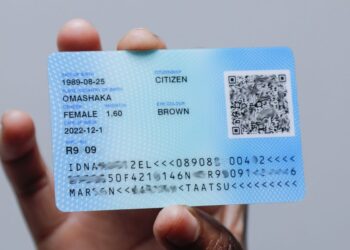
Government is also advancing the DigiNam initiative, which is aimed at supporting secure digital identification, electronic signatures and trusted online transactions.
“Initiatives such as DigiNam contribute to this objective by supporting trusted electronic interactions and the use of secure digital identification and signatures,” Theofelus said.
“As we continue to advance digital government, interoperability, cybersecurity, data protection and responsible management of information must remain central considerations.”
Theofelus said young Namibians would also be critical to the country’s transition towards greater use of emerging technologies.
“Our young people also have a role to play in this transformation. Their creativity, technical knowledge and understanding of emerging technologies can help,” she said.
The government’s broader digital agenda includes expanding broadband infrastructure, improving connectivity in underserved communities and equipping young people with practical digital skills.
Theofelus said increased technology adoption should ultimately translate into improved government services, stronger businesses and employment opportunities, particularly for young Namibians.