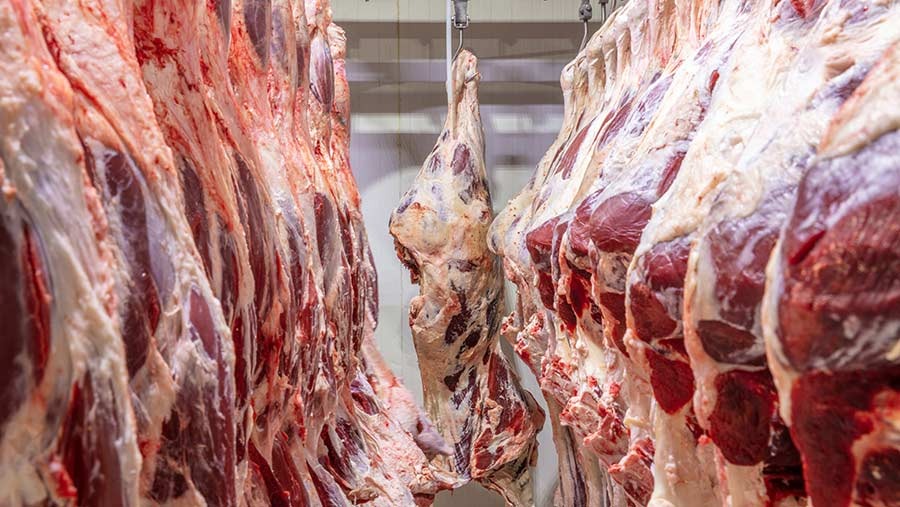
Namibia’s first Foot-and-Mouth Disease (FMD) outbreak in its World Organisation for Animal Health (WOAH)-recognised FMD-free zone has triggered sweeping restrictions on livestock movement and trade, raising questions about what happens next for farmers, consumers and the wider economy.
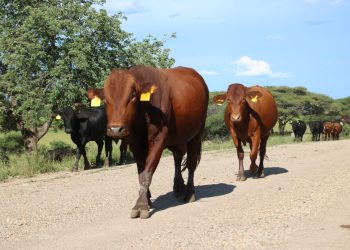
The government has suspended the movement of cloven-hoofed animals and their products across Namibia, while imports and exports have also been halted as veterinary authorities work to determine the extent of the outbreak and contain its spread.
What happens in the immediate term?
Cirrus Capital Co-Founder and Director Romé Mostert expects the current restrictions to initially cause logistical disruptions as cattle, meat and other livestock products cannot be moved normally.
He described the measures as drastic short-term interventions aimed at establishing whether FMD has spread beyond the affected cattle and preventing further transmission.
“I think that what we are seeing is drastic short-term measures to assess the situation, if the FMD has spread further at the moment and, if it hasn’t, to just contain it where it is,” Mostert said.
Mostert believes domestic logistical restrictions could normalise within a week or two, or possibly sooner, if authorities establish that the outbreak has been contained.
Could meat prices rise or fall?
Both outcomes are possible, depending on how long the restrictions last and which part of the supply chain is affected.
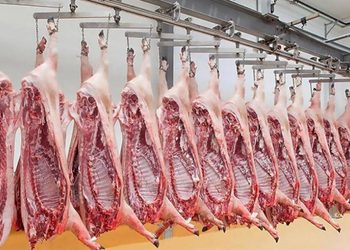
Simonis Storm Securities economist Almandro Jansen expects the immediate movement restrictions to disrupt supplies of beef, sheep, goat, pork, game and processed meat products. He said consumers could also shift towards alternatives such as chicken and fish, increasing demand and potentially putting upward pressure on those prices.
Mostert, however, expects the opposite effect if Namibia remains locked out of export markets for an extended period.
Namibia produces more meat than the domestic market can consume, according to Mostert. If exports remain suspended, cattle and meat that would ordinarily be sold internationally would remain in Namibia, creating an oversupply.
“If the export markets are closed for an extended period of time, yes, then we will see significant drops in cattle prices and meat prices,” Mostert said.
This means consumers could initially experience supply disruptions and pressure on some food prices, while prolonged export restrictions could eventually push domestic cattle and meat prices lower because of excess supply.
Why are export markets so important?
Mostert said Namibia’s FMD-free status allows the country to sell meat into lucrative international markets, making the restoration of export access one of the most important factors in determining the economic impact of the outbreak.
Jansen estimates that Namibia’s beef industry generates about N$5.5 billion in exports, with sheep and goats also contributing to livestock export earnings.
He identified markets including the UK, Europe and Norway as potentially important to watch as authorities and trading partners respond to the outbreak.
What could it mean for farmers and jobs?
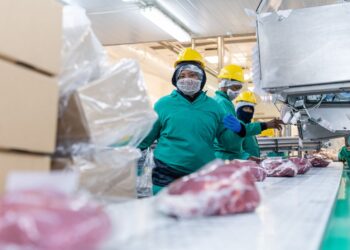
A prolonged loss of export access could significantly reduce farmers’ ability to sell livestock at current prices, while also affecting abattoirs, meat processors, transport businesses and other companies linked to the livestock industry.
A 2022 Cirrus Capital study examining the potential consequences of losing animal health and export status south of the Veterinary Cordon Fence estimated that 33,271 jobs could be lost over five years, equivalent to 3.1% of the 2018 labour force used in the study.
Of these, about 20,150 were estimated to be unskilled jobs and 11,695 skilled jobs. The study estimated a N$9.24 billion negative impact on households over five years.
Jansen said livestock-dependent towns could also feel the effects because abattoirs and meat-processing businesses support employment and economic activity in their surrounding communities.
He estimates that every N$1 lost through reduced livestock exports or processing could result in about N$1.60 in downstream economic losses through activities such as transport, manufacturing and energy consumption.
Could the outbreak affect Namibia’s economic growth?
Jansen believes it could if the disruption persists.
Livestock farming accounts for about 2.3% of GDP and roughly N$8.8 billion in value added, according to his estimates.
Namibia recorded economic growth of 4.8% in the second quarter of 2026, but Jansen sees the FMD outbreak as an additional risk to growth during the second half of the year.
The effects could extend beyond farming. Jansen said commercial banks with agricultural loan books could face pressure if farmers experience lower income and encounter difficulties servicing loans.
Government could also face additional expenditure associated with containment measures and possible support for affected producers.
What determines how serious the impact becomes?
The key issue is how quickly Namibia contains the outbreak.
If FMD is confined to the affected area and livestock movement and exports resume relatively quickly, Mostert expects much of the immediate disruption to be temporary.
If the outbreak proves more widespread and export restrictions remain in place for months or longer, the consequences could become substantially more serious, including falling livestock prices, pressure on farmers, reduced export earnings, job losses and weaker economic growth.
As Mostert put it, the crucial distinction is between a short-lived logistical disruption and an extended loss of Namibia’s access to international meat markets.