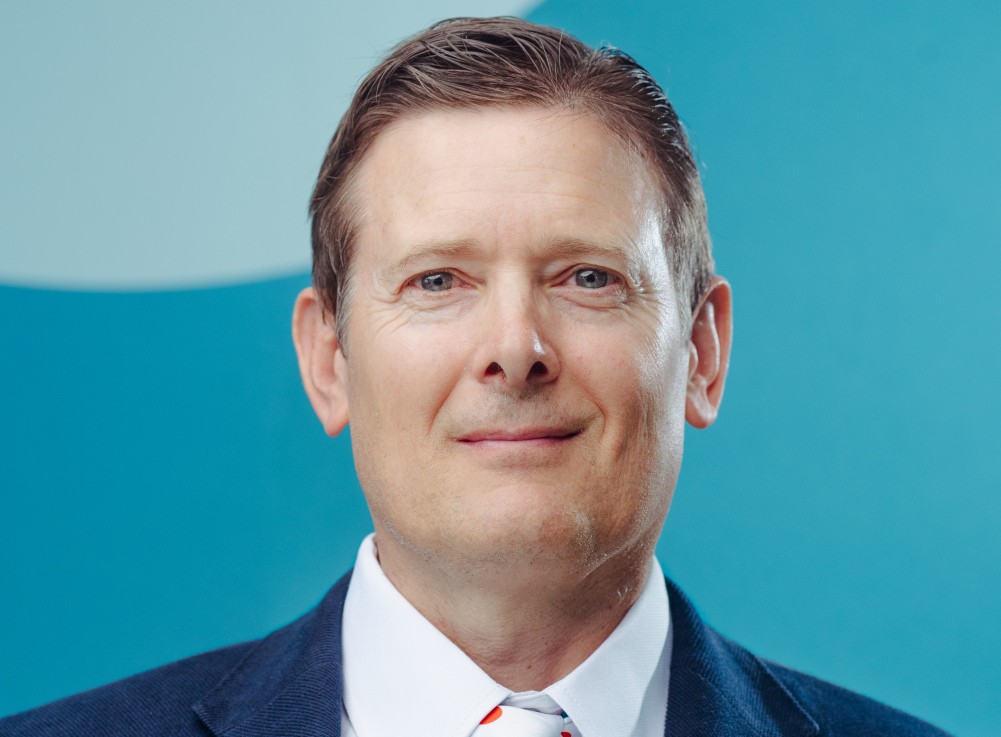
By Frederick Muller
For years, investors have been encouraged to choose a side.
Are you an active investor or a passive investor?
The discussion has become one of the investment industry’s most persistent debates, fuelling conference panels, industry surveys and countless articles.
Yet for all the attention it receives, it often misses the point.
Most investors do not have a goal called “active investing” or “passive investing”. They have goals such as growing retirement savings, generating income, preserving capital or meeting future liabilities.
The real challenge is not selecting an investment philosophy. It is building a portfolio capable of delivering the required outcome.
Active and passive investing are tools, not objectives. The relevant question is which approach is best suited to a particular role within the portfolio.
This may seem like a subtle difference, but it changes the conversation.
The rise of passive investing has been one of the defining trends in global asset management over the past two decades.
Investors have been attracted by lower costs, transparency and the difficulty many active managers face in consistently outperforming broad market indices after fees.
These are legitimate considerations. Fees reduce returns, and investors should understand what they are paying for. But lower cost does not always mean better value.
Most people would not choose a surgeon, an architect or a lawyer solely because they offered the lowest fee.
They would first consider the complexity of the task and the quality of the expertise required. Investing deserves the same level of thought.
In some markets, broad index exposure may provide an efficient and sensible solution. In others, there may be opportunities for skilled managers to identify mispriced assets, manage risks differently or access areas of the market that are less efficiently priced.
Markets are not identical. A highly researched, widely traded market presents different opportunities from a smaller market with fewer participants, less analyst coverage or lower liquidity.
The potential for active skill to add value therefore varies across asset classes, geographies and market conditions.
That reality exposes one of the weaknesses in framing investing as an either-or choice.
A portfolio combines exposures that serve different purposes and respond differently to changing conditions. Some allocations may be best served by low-cost index exposure, while others may benefit from specialist active management.
The greatest advances in portfolio construction have arguably come not from choosing one camp over another, but from understanding how different approaches can complement each other.
This is where the conversation becomes more interesting.
Passive investing is often described as hands-off, but it is not decision-free.
Every passive strategy relies on choices that have already been made. Someone decides which market to represent, which companies or securities qualify for inclusion, how they are weighted and when changes are implemented.
An index is not a natural law. It is a set of rules created by people.
Investors still need to understand what they own. Two indices covering the same market can produce different outcomes because of how they are constructed, concentrated and weighted.
Passive investing has not removed investment decisions; it has shifted them from manager selection to index selection. If an index selection has been made, then a product provider selection (i.e. product provider tracking the relevant index) also needs to be made.
Active management, meanwhile, offers research, judgement and flexibility, but also creates scope for error. Some managers outperform and others do not, making it difficult to distinguish skill from luck.
The task for investors is not to accept or reject active management as a concept. It is to identify where active skill is most likely to matter and where the probability of success justifies the additional cost.
That assessment becomes even more important as markets become increasingly concentrated.
In several major equity markets, a small number of companies now account for a growing share of index returns and index weightings.
A passive investor automatically follows those concentrations because that is how the index is constructed. An active manager has the ability to take a different view.
Whether that flexibility proves beneficial depends on the quality of the decisions made. But it illustrates an important point: active and passive investing provide different forms of exposure and different forms of risk.
Passive investing does not remove the need for judgement, while active management does not guarantee success simply because judgement is applied.
For investors, consultants and trustees, this suggests a more productive framework.
Instead of asking whether active or passive investing is better, consider the outcome required, how efficiently the strategy can deliver it, the risks involved and how it interacts with the rest of the portfolio.
These questions focus attention where it belongs: on portfolio construction rather than ideology.
The most effective portfolios are rarely built around a single investment belief. They are built through a series of deliberate decisions about objectives, risks, costs and opportunities.
From that perspective, active and passive investing cease to be competing philosophies. They become components of a broader toolkit.
The real value lies not in choosing sides, but in knowing when, where and how each tool should be used.
The future of investing is unlikely to belong exclusively to active managers or passive strategies. It will belong to investors who focus on outcomes, apply judgement thoughtfully and assemble the right combination of approaches. Investors do not retire on active or passive returns. They retire on portfolio returns.
*Frederick Muller is the Managing Director: Alexforbes Investments Namibia