President Netumbo Nandi-Ndaitwah has called for regular skills audits and labour market assessments to identify and close gaps in Namibia’s workforce as the country prepares for emerging industries such as oil and gas, green hydrogen, renewable energy, advanced manufacturing and digital technology.
Nandi-Ndaitwah said Namibia’s ability to capitalise on these industries will depend on whether the country has workers with the technical skills required to participate in and support their development.
“As Namibia advances into strategic emerging sectors of green hydrogen, oil and gas, renewable energy, advanced manufacturing, and digital technology, our success depends heavily on a skilled workforce that is innovative, adaptable, and globally competitive,” she said.
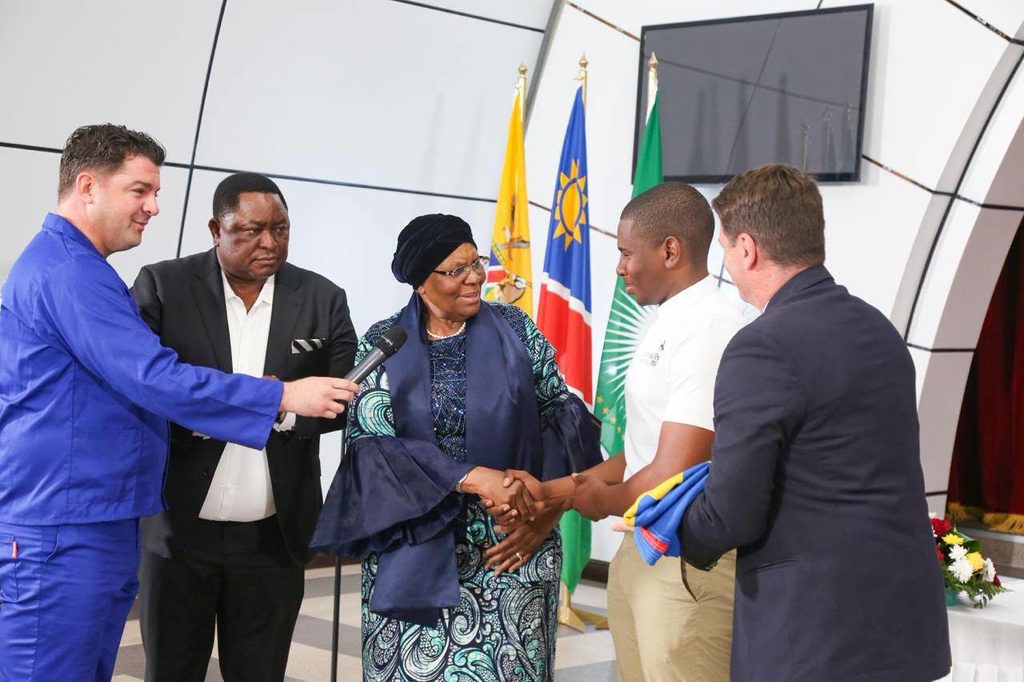
Speaking at the official send-off of Team Namibia to the WorldSkills Shanghai 2026 competition in Windhoek on Monday, the President said institutions responsible for human resource development must continuously assess the country’s skills requirements and respond to emerging shortages.
“I implore relevant institutions responsible for human resource development in the country to conduct regular skills audits and labour market analyses to anticipate and address skills gaps, ensuring that Namibia’s workforce is aligned with both national and global demands, as set out in Vision 2030,” Nandi-Ndaitwah said.
Her call comes as Namibia seeks to develop new industries that will require specialised technical expertise, placing greater pressure on the country’s education and training institutions to produce workers whose skills match industry requirements.
Nandi-Ndaitwah said Technical and Vocational Education and Training (TVET) institutions will be central to developing the workforce required for the country’s economic and industrial ambitions.
She said the government is committed to strengthening TVET institutions to ensure they provide practical training and technical expertise aligned with changing labour market needs.
“Your participation in WorldSkills Shanghai 2026 is proof that TVET is not a backup plan, but rather an important key to our economic transformation,” she said.
Skills development is a key component of the Sixth National Development Plan’s Human Development and Community Resilience pillar and forms part of Namibia’s efforts to achieve its Vision 2030 objectives.
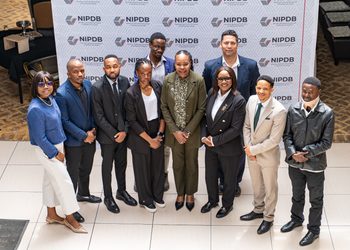
Nandi-Ndaitwah made the remarks while addressing 17 Namibian competitors selected to represent the country at the 48th WorldSkills Competition in Shanghai, China.
She urged the competitors to use the international event to gain exposure to new technologies, technical skills and global best practices that can be transferred to Namibia.
“Absorb and innovate. Learn from global best practices, network with your international peers, and bring back knowledge that will propel our nation forward,” she said.
Nandi-Ndaitwah also called on the competitors to share the knowledge and expertise gained in Shanghai with other young Namibians upon their return.
The WorldSkills Competition brings together young professionals from around the world to compete across a range of technical and vocational disciplines.