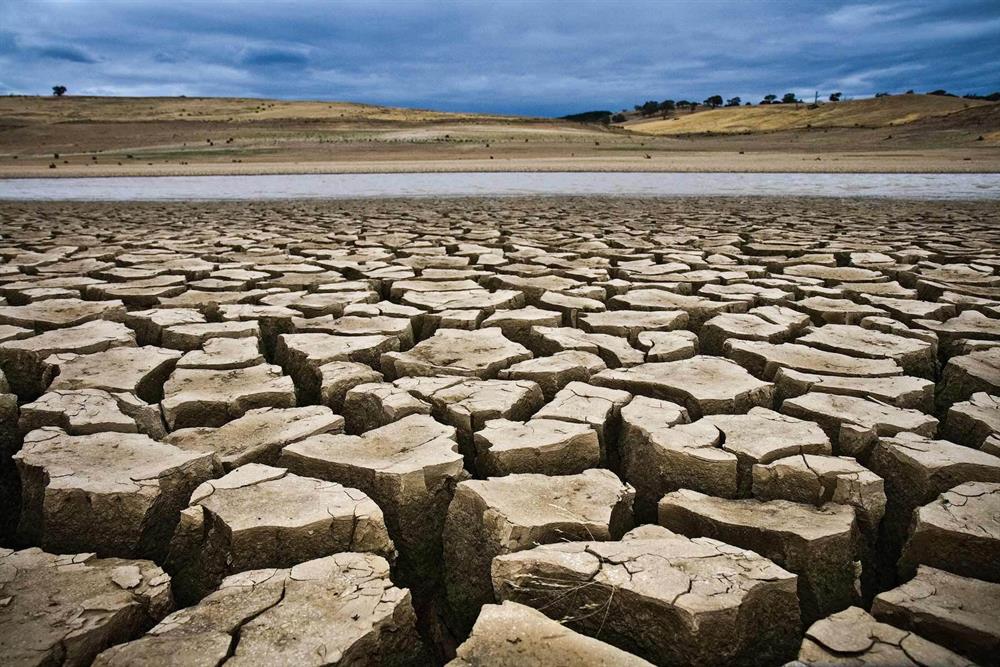
Namibia has called for drought resilience to be treated as an economic investment priority, warning that recurring dry spells threaten agriculture, livelihoods and growth and cannot continue to be addressed primarily through emergency relief.
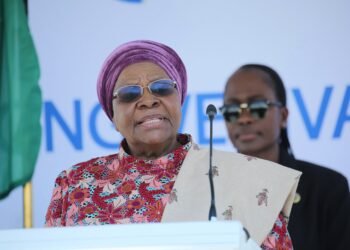
Environment, Forestry and Tourism Minister Indileni Daniel said governments and development partners need to factor drought risk into long-term economic planning and invest in infrastructure and financial mechanisms capable of limiting losses before crises occur.
“Drought must no longer be managed merely as an emergency. It must be managed as a development, economic and resilience priority,” Daniel said at the UNCCD COP17 High-Level Segment on Drought and Water Day.
She said Namibia’s exposure to drought extends beyond food security, with severe dry periods affecting agricultural production, household incomes and broader economic activity.
More than one million people can be exposed to food insecurity during severe drought periods, while about 85% of Namibia’s land is pastoral, increasing the vulnerability of livestock producers and rural communities.
Daniel said this requires investment in drought-resilient infrastructure, water security, early warning systems and financial protection for communities whose incomes are vulnerable to climate shocks.
“Our experience has taught us an important lesson: we cannot continue responding to drought only after disaster has struck. We must invest before the crisis,” she said.
Daniel called for predictable climate finance and innovative risk-financing instruments to help countries absorb drought-related economic shocks.
She also called for greater private-sector participation, signalling the need to mobilise capital beyond government and development finance to fund resilience measures.
Namibia is strengthening early warning systems, contingency planning, sustainable land management, water security measures and ecosystem restoration, while also pursuing land restoration through the Great Green Wall Initiative.
Daniel said protecting rural livelihoods from repeated climate shocks is necessary to safeguard national economic growth and prevent drought from reversing development gains.
She also called for stronger coordination between institutions responsible for drought resilience.
“Drought does not respect institutional boundaries, and working in silos will not build the resilience we need; only coordinated and collective action can deliver lasting solutions,” she said.
Daniel urged COP17 to translate commitments into investment, arguing that drought preparedness should increasingly be viewed in the same way as other investments intended to protect economic assets and future growth.
She warned that failing to invest before crises occur would leave countries repeatedly absorbing the much higher financial and economic costs of drought relief and recovery.