Nedbank says financial institutions should play a bigger role in unlocking foreign investment by helping international investors navigate regulatory requirements, move capital across borders and connect with local business opportunities.
The bank said the growing complexity of cross-border investment requires closer cooperation between financial institutions, diplomatic missions and governments if international relationships are to translate into actual economic activity.
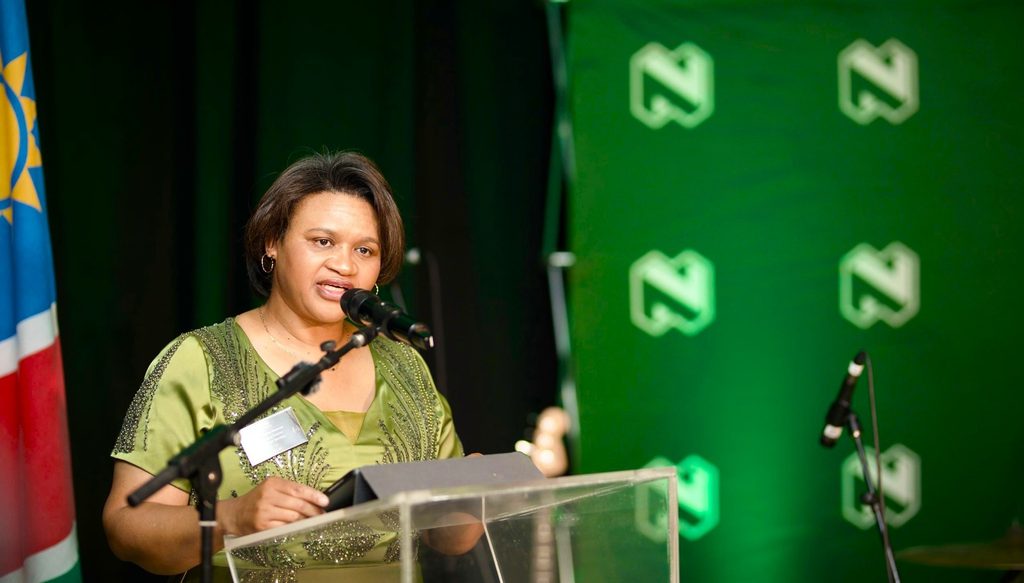
Speaking at a Nedbank Namibia engagement with members of the Diplomatic Corps, government representatives and business leaders in Windhoek, Nedbank Namibia Managing Director Martha Murorua said international stakeholders often require support beyond conventional banking services.
“Diplomatic missions and non-resident stakeholders require financial partners that understand the complexities involved in operating across jurisdictions. Our commitment extends beyond traditional banking services,” Murorua said.
“We understand that diplomatic missions and international stakeholders often require trusted partnerships that can help navigate local business environments, foster connections, and identify opportunities that contribute to sustainable economic growth.”
Nedbank provides diplomatic missions and non-resident clients with specialist exchange-control expertise, dedicated relationship banking and local and foreign-currency banking solutions within applicable regulatory frameworks.
Nedbank Group Head of Non-Resident and Diplomatic Banking Elelwani Pandelani said changing geopolitical conditions are making cross-border investment decisions increasingly complex.
“Economic diplomacy must evolve from simply building relationships to managing interdependence. The world is not becoming less connected; it is becoming more selectively connected,” Pandelani said.
She said banks provide part of the financial infrastructure needed to connect governments, businesses and investors and facilitate the movement of capital between markets.
Zimbabwean Ambassador and representative of the Dean of the Diplomatic Corps Melody Chaurura said international relationships should ultimately translate into greater economic activity.
“The challenge before us is how to convert diplomatic goodwill into sustainable economic value. Economic diplomacy must be more than the cultivation of relationships. It must create pathways for investment, facilitate trade, promote entrepreneurship and support infrastructure development,” Chaurura said.
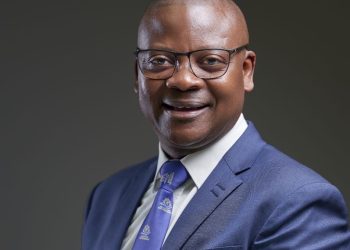
Nedbank Africa Regions Group Managing Executive Dr Terence Sibiya said the relationship between banking and diplomacy becomes particularly important when potential investments need to be converted into transactions.
“Diplomacy opens doors, strengthens relationships and creates possibilities. Banking gives those possibilities the financial infrastructure to become real, whether through trade, investment, cross-border payments, capital flows or business expansion,” Sibiya said.
He said the benefits of foreign investment should also extend into the domestic economy through opportunities for local suppliers and skills development.