Namibia has secured what is described as Africa’s largest biomass geological storage carbon removal deal, with a project near Otjiwarongo contracted to supply 50,000 tonnes of permanent carbon removal credits to European buyers between 2026 and 2028.
Berlin-based Carbonsate signed the multi-year agreement with carbon credit procurement company Senken, with deliveries from the Namibia project starting this year.
The companies said the agreement is also Europe’s largest biomass storage carbon removal deal to date and the second-largest buyer commitment globally in the biomass geological storage category.
“The agreement covers 50,000 tonnes of certified carbon removal across the 2026 to 2028 vintages, with deliveries beginning this year. It is the second-largest buyer commitment in the biomass geological storage (burial) category worldwide, and the largest for a project operating in Africa,” the company said.
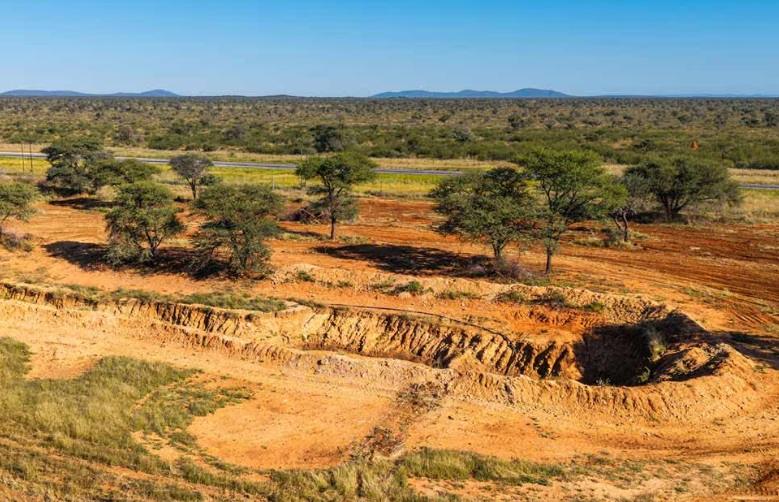
Carbonsate operates the project in the savanna around Otjiwarongo, where waste wood generated through bush-clearing activities is stored in engineered underground chambers.
The process is intended to prevent the biomass from being burned or decomposing and releasing its stored carbon back into the atmosphere.
The project has been operating since early 2025 and has already issued its first carbon removal credits. It is expected to deliver about 10,000 credits in 2026.
Carbonsate is targeting a significant expansion of the Namibia operation, with capacity expected to exceed 100,000 tonnes of carbon removal annually within the next few years.
The companies said they intend to expand their agreement as additional capacity becomes available.
Carbonsate said Namibia’s arid climate provides favourable conditions for long-term dry biomass storage, while the project also provides an outlet for waste wood generated through efforts to tackle bush encroachment.
According to the company, bush encroachment has affected biodiversity and groundwater recharge in parts of Namibia.
Senken CEO Adrian Wons said the project underwent the company’s Sustainability Integrity Index assessment, covering more than 600 data points, before the agreement was concluded.
He said growing corporate demand for permanent carbon removal is beginning to outpace the availability of verified projects.
“Demand for permanent carbon removal is already outrunning supply: corporate net-zero targets all point to the same small pool of verified capacity. That gap will define the market for the next decade,” Wons said.
“We committed for multiple years to secure access for European buyers to credible removal at prices they can plan with.
Carbonsate CEO and co-founder Johanna Broell said the agreement would provide the company with greater certainty to expand its operations in Namibia.
“Long-term commitments like this one give project developers the certainty to build ahead of demand. This agreement supports the expansion of our Namibia storage sites and brings meaningful new supply of verified, high-integrity carbon removal to the market,” Broell said.