By Dr. Isobel Manuel
Tourism scholarship recognizes the difficulty of defining a destinations tourism competitiveness due to the diverse factors that affect a destinations viability.
Windhoek is such a diverse city due to the diverse cultures and landscapes and that in itself is already a competitive advantage that needs to be packaged as such.
The importance of destination competitiveness is now more pronounced than ever that due to the changing tourist preferences and diverse offerings that several other urban destinations has to offer. Scholars (Luštickỳ & Štumpf, 2021; Akin et al., 2021; Dwyer, 2022) argue that destination competitiveness encompasses natural and cultural resources, infrastructure, service quality, digital transformation and environmental stewardships. Destinations seeking international tourists, economic growth and sustainable development must understand and enhance these factors amid increasing competition and shifting global dynamics.
Windhoek as a tourist destination
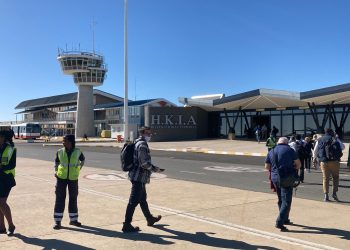
Windhoek is known as the primary gateway for travelers visiting Namibia due to its stable infrastructure, strategic air links from Hosea Kutako International Airport and notable safety standards specifically for visiting tourists.
Windhoek is recognized for its cultural and natural landscape with well-known cultural landmarks in the city, heritage and niche culinary experiences. Recent media reports have informed that Windhoek is seen as a destination with limited offerings for tourist to enjoy whilst visiting the destinations. Windhoek is thus seen as a brief transit stop rather than a standalone leisure destination.
International tourists are then keen on just doing the needed shopping and depart Windhoek to the next destination. The average length of stay for an international tourist is between one or two days depending on the arrival of their flight into Namibia.
Thus there is a need to prolong the average length of stay for international tourists in Windhoek. It will require a collective effort by all tourism stakeholders to devise a collective destination competitive strategy for Windhoek. A destination competitive strategy is a long-term plan used by a destination to attract visitors, boost local business and stand out from other destination.
What must Windhoek do to reimagine its competitiveness?
Increase awareness of the cultural and natural resources of Windhoek
Windhoek hosts a variety of cultural and natural resources, not just within the city limits but outside the boundaries of the city as well. There needs to be an increased awareness campaign of what Windhoek has to offer.
This needs a collaborative approach from all role players in the Windhoek tourism landscape. Windhoek needs to capitalize on its diversity in all aspects for the tourist to experience, from local food tastings to vibrant night life that the city has to offer.
Improved customer service delivery
Namibia has launched a national customer service initiative namely “Welcome Host” aimed at transforming service delivery across the tourism sector.
We cannot ignore that customer service at times in Windhoek is done in a very lackadaisical approach and depending on the day and mood of the agent assisting can influence the way that the tourist perceives Windhoek service delivery.
It should be remembered that customer service influences the first and lasting experiences and thus is very important for every destination to invest extensively into improving and maintaining an excellent service delivery reputation.
Towards a Cleaner Windhoek
One of the competitive factors is environmental stewardship, this implies that very person and business acts as caretakers for the planet. Windhoek was once rated the cleanest city in Namibia and Africa. If you take a drive in Windhoek from urban and peri-urban areas it is discouraging to see how dirty the city is.
Litter is everywhere and while weekend after the weekend the City of Windhoek through the Mayoral Clean-Up Campaign, seeks to encourage residents to clean up in their areas, the littering continues. Until every resident understand that he or she is an environmental steward and we need to take responsibility to clean up and not be told to clean up, clean up campaigns will have little effect.
While there are many more factors to enhance a competitiveness of a destination, the above is merely some thoughts to ponder on for Windhoek to reimagine its competitiveness as a tourist destination. It’s not a single entity to reimagine Windhoek competitive but rather a collective approach.
* Dr. Isobel Manuel is an academic researcher with a PhD in Hospitality and Tourism Management and over a decade experiences in higher education, leadership and industry engagement. She currently is affiliated with the Windhoek Country Club where she serves as a board member, the National Heritage Council where she serves as a committee member for the Heritage Protection Committee.
The views expressed in this opinion article is solely my own and does not represent the views of my affiliations.