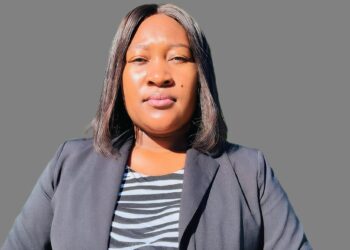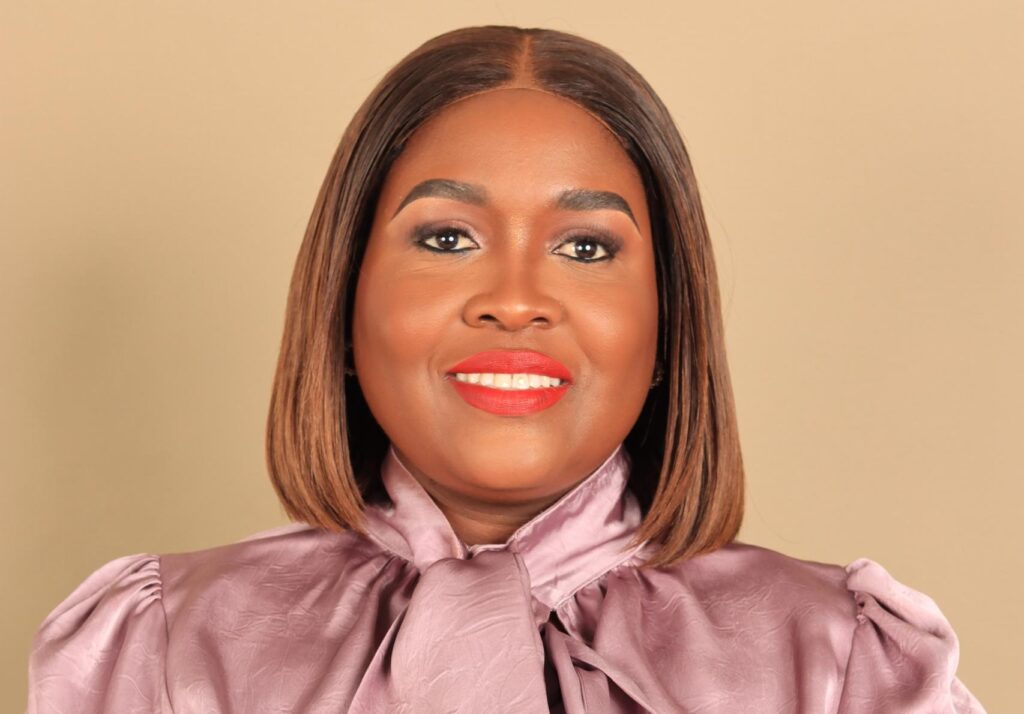
By Dr Etuna Simon
For a long time, countries measured their wealth by what they could extract from the ground. Gold built empires. Oil changed the balance of power. Diamonds transformed economies.
Namibia knows this story well.
Our natural resources have helped shape the country’s development and remain central to the economy. Mining, agriculture, fisheries and tourism will continue to matter. But the global economy is changing, and with it, the meaning of national wealth.
The most important resource in the twenty-first century is no longer only what lies beneath the soil. It is what a nation can build through knowledge, skills, research, technology and innovation.
Artificial intelligence (AI) has made that reality impossible to ignore.
AI is often discussed in narrow terms, as if it were only about robots, chatbots or automation. But its real significance is much bigger. AI is changing how economies grow, how organisations make decisions and how societies solve problems. It is becoming a major driver of productivity, competitiveness and public value.
That means the countries that succeed in the years ahead will not simply be those with rich mineral reserves. They will be the ones with strong education systems, skilled people, research capacity, digital infrastructure and the ability to turn ideas into practical solutions.
History has shown this before. Every major industrial shift has rewarded those who prepared early. Countries that embraced mechanisation, electricity, computing and digital technology moved ahead. Those that delayed were left trying to catch up.
The AI era is no different.
Around the world, governments and institutions are investing in the foundations of a knowledge-based economy. They are strengthening schools and universities, supporting innovation, building digital systems and preparing workers for new industries.
Namibia cannot afford to watch this shift from the sidelines.
The question is not whether AI and related technologies will shape our future. They already are. The real question is whether we are preparing seriously enough for the world that is emerging.
There are reasons for optimism. Namibia has taken important steps, including the launch of its Artificial Intelligence Readiness Assessment Report in partnership with UNESCO. That process matters because it helps identify both progress and gaps. And the gaps are significant: skills shortages, limited research capacity, weak computing infrastructure and the need for stronger governance and national coordination.
These are not small issues. They go to the heart of whether Namibia will be able to compete in a world where value is increasingly created through intelligence, innovation and adaptability.
This is why the conversation about development must evolve.
Natural resources remain important, but they are not enough on their own. A country can be rich in minerals and still struggle to build lasting prosperity if it underinvests in people. In contrast, countries with few natural resources have shown that long-term success can be built through education, research and strategic planning.
Singapore is one example. Estonia is another. Rwanda has also shown what focused digital ambition can achieve. These countries did not wait for the future to arrive. They invested in their people and institutions early.
Namibia can do the same, but only if we treat human capability as a national priority.
That starts with education. Our schools must do more than prepare learners to pass exams. They must help young people think critically, solve problems, communicate clearly and adapt to change. Our universities must do more than produce graduates. They must also produce research, support innovation and contribute directly to national development.
This matters even more as AI becomes more capable. The more routine tasks are automated, the more valuable human judgment, creativity, leadership and ethical reasoning become. The goal should not be to replace people with machines, but to use technology to strengthen human potential.
There are real opportunities for Namibia here. AI can improve agriculture through better data and precision tools. It can support healthcare systems, improve safety in mining, strengthen tourism services and make public administration more efficient. Used well, it can help Namibia do more with limited resources.
But those opportunities come with risks. AI also raises serious questions about privacy, cybersecurity, bias, misinformation and exclusion. That is why leadership matters. Adopting technology without the right safeguards can create new problems even as it solves others.
Namibia therefore needs more than enthusiasm for innovation. It needs a clear strategy. It needs institutions that can govern technology responsibly. And it needs stronger collaboration between government, industry and universities to ensure that the solutions we adopt are relevant to our own national context.
The bigger issue is this: what kind of country does Namibia want to become?
Will we remain mainly a consumer of technologies developed elsewhere? Or will we build the skills, systems and confidence needed to shape our own future? Will we continue to define national wealth mainly through extraction, or will we expand that definition to include the strength of our ideas, our research and our people?
These are no longer abstract questions. They are development questions. They are economic questions. And increasingly, they are sovereignty questions.
Namibia’s future should not depend only on what we can dig up. It should also depend on what we can develop, design and discover.
Diamonds may still hold value, but the real wealth of the future will come from minds, not minerals alone.
If we want lasting prosperity, then we must look beyond the ground beneath our feet and invest much more boldly in the potential within our people.
*Dr Etuna Simon is a researcher, strategist and writer with a keen interest in education, innovation, artificial intelligence and national development. The views expressed in this article are solely those of the author. She can be reached at etunasimon@icloud.com