Residents of the Khomas Region faced the highest cost-of-living pressures in Namibia during June, with inflation reaching 5.8%, as national inflation accelerated to 4.4%, driven largely by rising transport and housing costs.
New figures released by the Namibia Statistics Agency (NSA) show Khomas recorded inflation well above the national average, reflecting stronger price increases than any other region.
By comparison, Zone 3, covering the //Kharas, Erongo, Hardap and Omaheke regions, recorded annual inflation of 4.0%, while Zone 1, comprising Kavango East, Kavango West, Kunene, Ohangwena, Omusati, Oshana, Oshikoto, Otjozondjupa and Zambezi, recorded the lowest rate at 3.3%.
Nationally, annual inflation rose to 4.4% in June from 3.7% a year earlier, while monthly inflation slowed to 0.3% from 1.2% in May. Core inflation, which excludes volatile food and energy prices, stood at 3.3%.
NSA Statistician-General and Chief Executive Officer Alex Shimuafeni said transport remained the biggest driver of inflation.
“Transport-related price increases accounted for about 43.9% of the overall inflation rate, making it the dominant driver of inflation during the month,” Shimuafeni said.
Transport contributed 1.9 percentage points to the overall inflation rate of 4.4%.
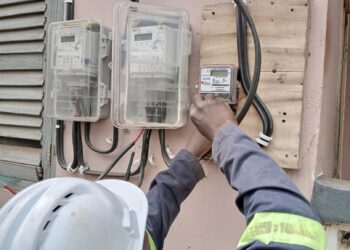
Housing, water, electricity, gas and other fuels were the second-largest contributors, adding 1.1 percentage points, equivalent to 24.4% of annual inflation.
The category, which carries the largest weighting in the consumer basket at 28.4%, recorded annual inflation of 4.4%, up from 4.1% a year earlier, driven mainly by higher electricity, gas and other fuel costs, as well as increases in the cost of maintaining and repairing dwellings.
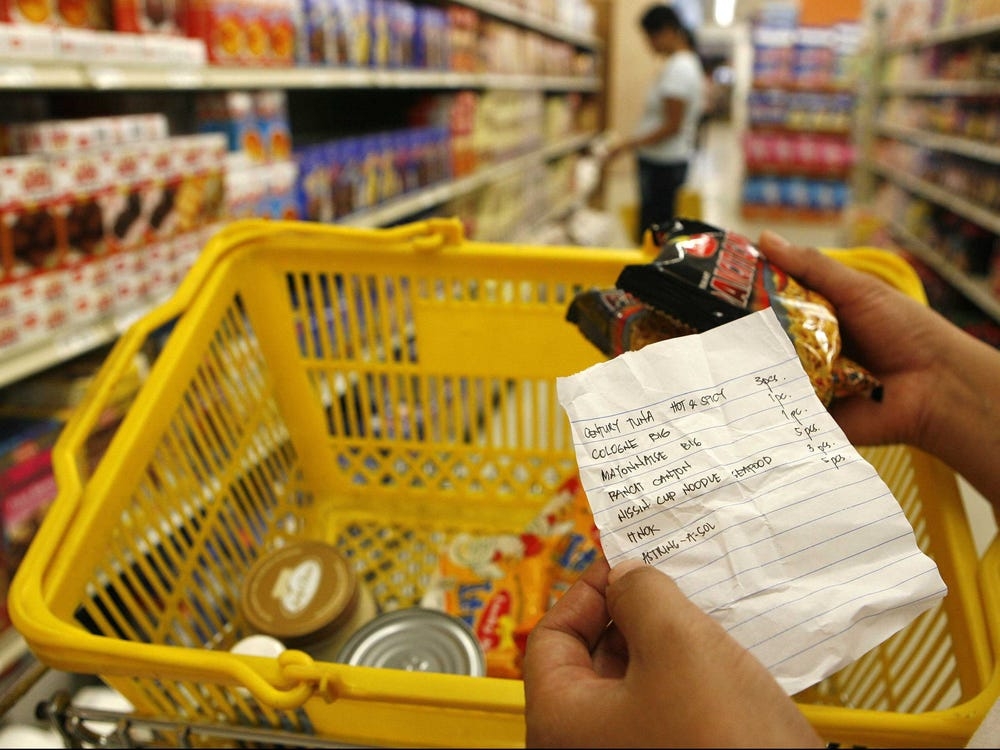
Food and non-alcoholic beverages contributed 0.5 percentage points, representing 11.8% of overall inflation. Despite this, annual food inflation eased to 2.5% from 6.4% in June last year, suggesting food price pressures continued to moderate. On a monthly basis, food inflation remained unchanged at 0.7%.
Shimuafeni said maintaining low and stable inflation remains important for economic stability.
“Low and stable inflation supports sound macroeconomic fundamentals by enabling households and businesses to plan, save and invest with greater certainty. In contrast, high or unpredictable inflation erodes purchasing power, especially for individuals on fixed incomes, and creates economic uncertainty that hampers long-term economic planning,” he said.
The latest figures indicate inflationary pressures strengthened throughout the second quarter after reaching a low of 2.1% in March. Annual inflation increased to 3.1% in April, 4.1% in May and 4.4% in June.
“Headline inflation is consistently more volatile than core inflation. In June 2026, headline inflation moved to 4.4%, above the 3.3% core inflation due to the recent acceleration,” Shimuafeni said.
The NSA said core inflation covers 75.7% of the Namibia Consumer Price Index basket after excluding food and non-alcoholic beverages and selected energy products, providing a more stable measure of underlying price trends.