The Ohangwena Regional Council has committed N$1.4 billion to upgrade and expand its road network over the next five years, with plans to improve 645 kilometres of roads as part of a drive to enhance connectivity and support economic development.
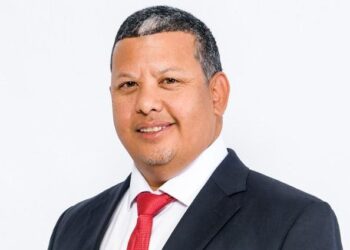
Delivering the 2025/26 State of the Region Address, Ohangwena Governor Kadiva Hamutumwa said the investment forms part of the region’s five-year Roads Master Plan, which identifies 10 priority road projects for upgrading.
Of the planned works, 265 kilometres will be upgraded to bitumen standard at an estimated cost of N$985 million, while a further 380 kilometres will be upgraded to gravel standard at a cost of N$380 million.
“Together, these projects represent a total planned investment of approximately N$1.4 billion, reflecting government’s commitment to developing a safe, reliable and accessible road network across the region,” Hamutumwa said.
The Governor said several projects are already under way, including the completion of the Omulondo-Oshuuli road, which was officially commissioned in early 2026 by Minister of Works and Transport Veikko Nekundi.
Construction of the Omukukutu-Omboloka road is nearly 70% complete, while designs for the Oupili-Onkumbula road are currently under evaluation.
Rehabilitation work on the Onuno-Eenhana road, funded by the Road Fund Administration, is also in progress.
In addition to new road construction, the region has allocated N$25 million for road maintenance, covering 384 kilometres of paved roads and 820 kilometres of unpaved roads.
Hamutumwa said access roads to schools and healthcare facilities are being prioritised, with designs already completed and contractors expected to be appointed shortly.
“Children walking to schools in Okambubu, Okanaimbula and Onhishe, as well as patients visiting Omuhongo Clinic, will soon benefit from safer, more reliable roads,” she said.
The road programme is being funded jointly by the Namibian government and German development bank KfW and is expected to improve transport access while supporting long-term regional development.
Hamutumwa said the road investments form part of a broader infrastructure development strategy that also includes rural electrification, expanded access to potable water and agricultural initiatives aimed at strengthening food security and improving livelihoods across the region.