Namibia’s removal from the Financial Action Task Force (FATF) grey list is expected to strengthen investor confidence, improve access to international financial markets and reinforce the country’s reputation as a credible investment destination.
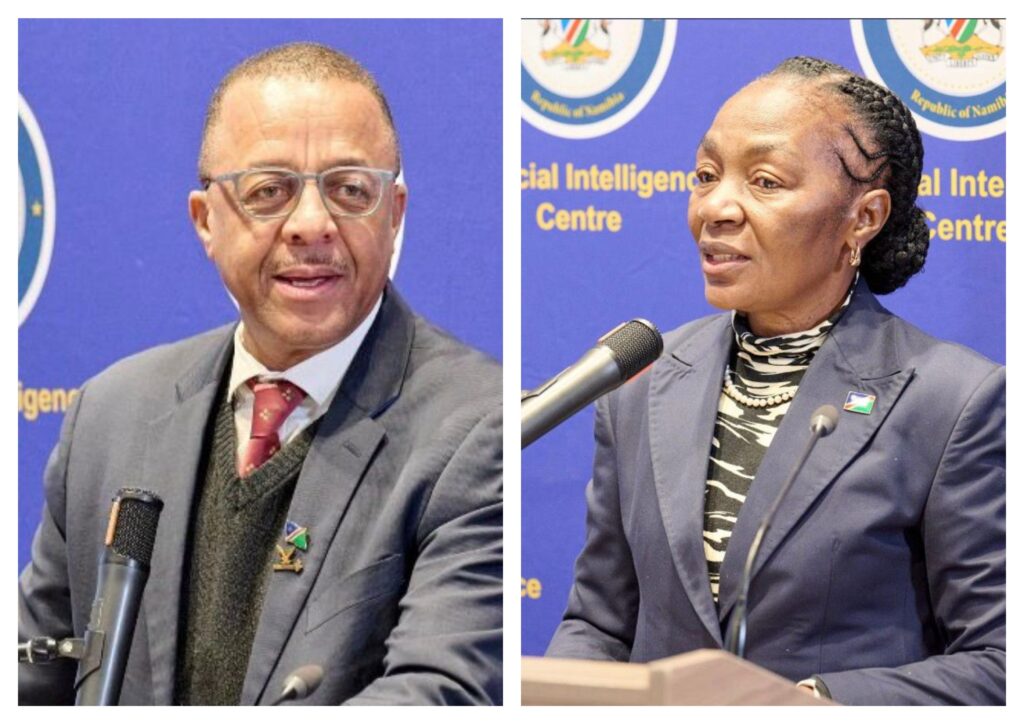
Speaking during the official announcement, Governor of the Bank of Namibia and Chairperson of the Anti-Money Laundering and Combating the Financing of Terrorism (AML/CFT) Council, Ebson Uanguta, described the achievement as one of the most significant financial governance reform successes undertaken by the country in recent years.
“Addressing these challenges was critical to protecting Namibia’s access to global financial markets, supporting trade and investment, and ensuring that our financial system remains trusted by international partners. Our exit from the grey list, therefore, reinforces Namibia’s standing as a credible, transparent and responsible participant in the global financial system and confirms that the country has taken the necessary corrective action,” he said.
Namibia was placed on the FATF grey list in February 2024 following concerns identified in the country’s anti-money laundering, counter-terrorism financing and counter-proliferation financing framework.
In response, government institutions, regulators, law enforcement agencies, the Financial Intelligence Centre (FIC), the Prosecutor-General’s Office and private-sector stakeholders embarked on an intensive reform programme to address the deficiencies.
According to Uanguta, the AML/CFT Council played a central role in coordinating the national response, ensuring policy alignment, institutional accountability and the effective implementation of reforms across multiple sectors.
He noted that while grey-listing does not amount to financial sanctions, it can negatively affect a country’s reputation by increasing scrutiny from correspondent banks, investors and international financial institutions.
This can result in longer transaction processing times, higher compliance costs and greater caution among international business partners.
Also speaking at the event, Finance Minister Ericah Shafudah cautioned against complacency, emphasising that maintaining international standards will require continued commitment and vigilance.
“Namibia’s exit from the grey list should give us confidence, but not complacency,” she said. “It should serve as an example of what we can achieve when our institutions work together in pursuit of a national purpose.”
The country is expected to continue strengthening its financial integrity systems as it prepares for the next round of mutual evaluations scheduled for 2030.