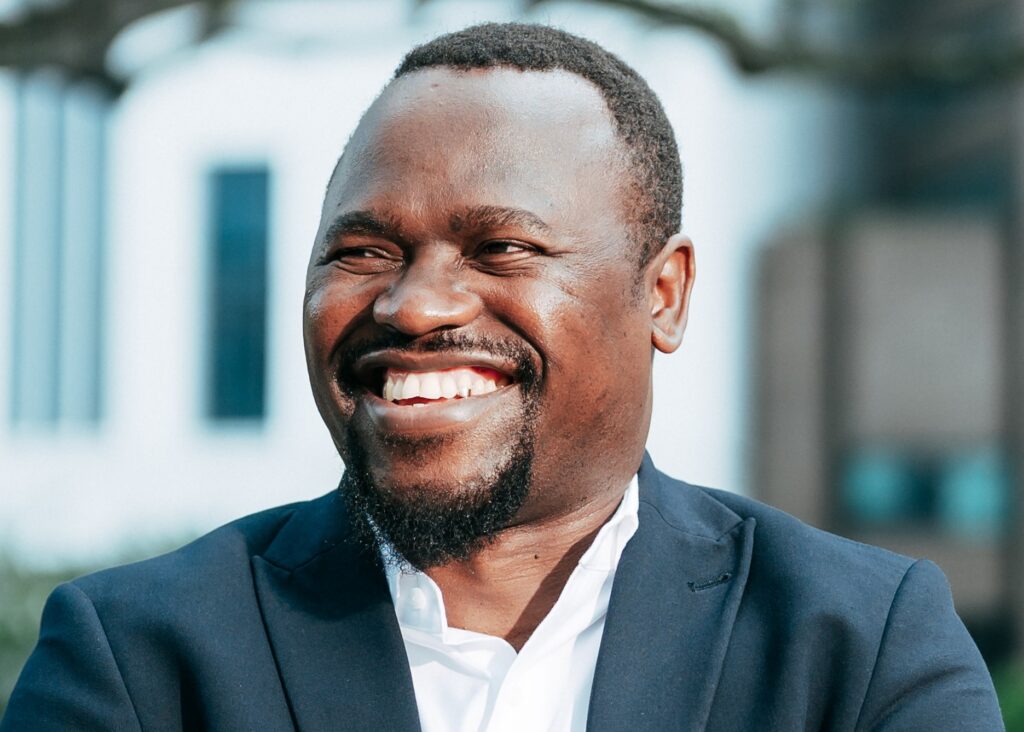
By George Sanzila
When Singapore was expelled from Malaysia in 1965, it was a rural backwater and third world port with no hope of ever achieving the development it is experiencing today.
With a GDP per capita of only US$500, It was not different from any average African country during the time. In fact, many African countries were far much better. The challenges we grapple with to this day, were commonplace.
High unemployment, an illiterate population with over 70 per cent of households living in overcrowded informal settlements.
To aggravate matters, the new country had no natural resources. It was a hopeless time for many citizens who saw no way out, with founding Prime Minister, Lee Kuan Yew, reflecting that profound fear and uncertainty by weeping on national television.
Sixty years, after those famous tears, and decades of reflection, re-organization, discipline and dedication, Singapore today, part of the four Asian tigers, has one of the highest GDP per capita in the world at roughly US$99,000 according to the IMF.
Despite, its tiny geographic footprint and population of just 6 million people, Singapore’s economy is bigger than those of Africa’s economic giants: Nigeria, Egypt and South Africa which have up to 220 million people.
An economic miracle, Singapore has eliminated its housing challenges by ensuring that every citizen has access to a decent roof over their head, making it one of the few modern nations in the world to effectively achieve a 100 per cent slum-free status.
The unemployment rate sits at a mere 2%, stemming from AI-driven skill mismatches rather than a shortage of actual jobs. graduates are now well sought after globally in fields such as mathematics and science.
So, what did Singapore do differently? Did it extend its begging bowl to the West, as is often the case in the Global South? No, none of that happened.
In fact, its Prime Minister explicitly refused traditional, long term foreign aid and instead chose self-reliance, commercial business investments and borrowed expertise.
What Singapore accomplished is not rocket science, it is within every society’s reach, provided the political will exists.
Clean institutions backed by meritocracy
Singapore built its success on clean institutions and strict meritocracy ensuring that these two values are embedded in its governance. Laws apply equally to everyone, regardless of wealth or status.
By explicitly rejecting corruption, tribalism and political patronage, Singapore has built a system rooted in trust and talent. Singapore today is widely regarded as global standard for service delivery.
From its seamless public transport system with high frequency arrivals (every five minutes), to local eateries and government services, customer service is prioritized and highly respected.
Public and civil services are highly digitized, focusing entirely on citizen convenience. In contrast to governments notorious for ineptness with weak oversight mechanism, public sector performance in Singapore is tracked rigorously, enforcing strict accountability at all levels.
Human capital
Singapore invested heavily in its human resources, treating its population as its most valuable natural asset, building a work force tailor made for its economic transformation.
The education system is configured to directly respond to the requirements of employers and industries.
Government collaborates with major corporations to establish targeted training frameworks. Technical trades are highly valued rather than shunned. Citizens are given cash credits to learn new skills, particularly in the age of AI.
But most, importantly, early on, the country focused on providing the necessities for a strong, healthy work force- clean water, safe housing and better health care.
Diversified economy
With the demands of the modern world, Singapore moved away from being a simple trading hub. It attained leadership in high value manufacturing and financial services.
For a resource-scarce nation, this shift was an imperative. Rather than producing cheap consumer goods, it focused its energy on advanced sectors like semi-conductors and biomedical drugs.
Four key pillars drive its economy today, advanced manufacturing, wholesale and retail trade, finance and insurance and information and communications. It is attracting massive amounts of foreign investments across these sectors through competitive tax breaks.
Domestically, these sectors thrive through massive state funded research, aggressive workforce upskilling, continuous and reliable start-up funding and extensive international trade networks.
National psyche
The national psyche of Singapore is driven by order, survival and a commitment to constantly improve, embodying the philosophy of Kiasu- a hyper competitive drive to always win.
This mindset largely emanates from not only the country’s history but its size, a city state, with a small population and lack of resources surrounded by much larger neighbors.
There is a constant awareness that the nation is fragile and therefore people are highly disciplined and value safety and stability.
They respect laws and trust government systems, and rightly so. Singapore consistently ranks among the safest cities in the world. Severe legal penalties, widespread surveillance and strict laws keep violent crimes and theft incredibly low.
The leadership remains highly pragmatic, walking the talk by focusing on tangible, practical results rather than political grandstanding.
So much said, so little done
The Singapore experience is well within Namibia’s reach. It possesses all the ingredients essential to reach high levels of development.
It has a small, youthful and educable population alongside abundant natural resources including massive oil discoveries and vast renewable energy capacity.
Furthermore, Namibia is politically stable and constitutionally grounded with peaceful democratic transitions, a rarity on the African continent. Strategically positioned, it has the potential to turn the Walvis Bay port into a primary logistics getaway for land locked SADC countries, a connection already supported by the Trans-Kalahari and Trans-Caprivi corridors.
Ironically, every developmental asset Singapore lacked at the time of its independence, Namibia possesses today. However, Namibia will not achieve meaningful institutional reform without making difficult decisions.
Meritocracy must be non-negotiable, corruption strictly punishable, and local economic value addition reinforced. The state must radically invest in targeted education, robust human capital and public health care.
President Netumbo Nandi Ndaitwa has already set the baseline by introducing free tertiary education and declaring corruption a treasonous act.
Despite recurring gaps between aspiration and execution, the sixth National Development Plan also sets a clear tone through its four strategic pillars: economic growth, human development, environmental sustainability and effective governance and service delivery.
To paraphrase Bob Marley, “so much has been said, so little has been done”. Matching institutional ambition with institutional discipline is the missing link and the greatest opportunity facing Namibia.
*George Sanzila is a Namibian Journalist currently studying in Singapore at Nanyang Technological University. His writes in his personal capacity*