Namibian investors are backing a N$2.2 billion hydroponics farming project aimed at reducing the country’s dependence on food imports and strengthening national food security.
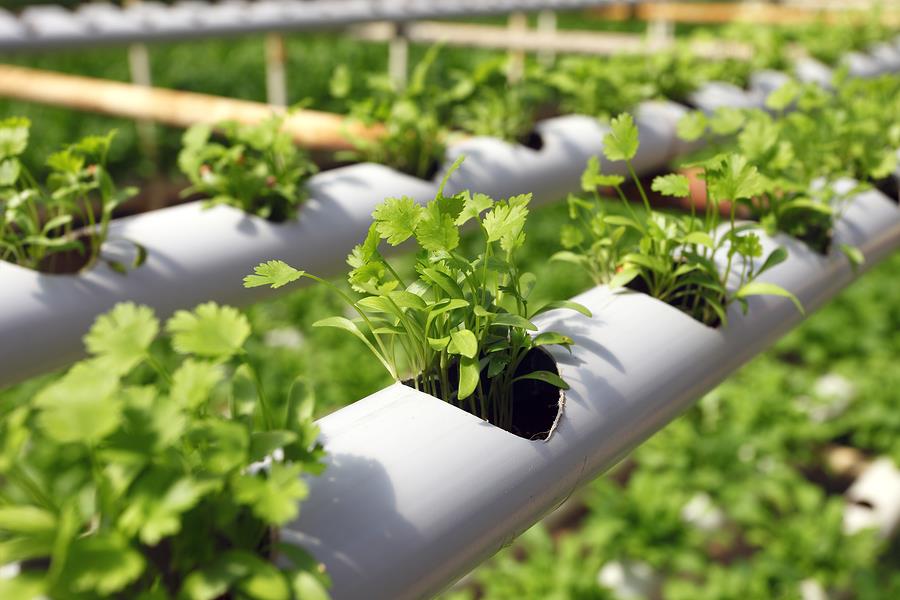
The project, led by Deborah Walliser through Got Produce Global Brands and supported by Nicole Maske through Manta Ventures, is centred in Otavi, where construction of a one-hectare hydroponics greenhouse is underway.
Production at the facility is expected to begin around March 2026.
Maske said the broader project requires an estimated capital investment of US$120 million (about N$2.2 billion), with fundraising being led by Manta Ventures.
She said most of the initial funding for land acquisition and the first production facility had already been secured, with local investors contributing the majority of the capital.
“About 80% of the initial funding has come from Namibians who want to see the country become food secure in a sustainable way,” she said.
Maske said local participation had been critical in reducing reliance on external capital and ensuring that value created by the project remains within the domestic economy.
The facility will produce crops including lettuce, tomatoes, cucumbers, chillies and strawberries.
Maske said the broader initiative aims to significantly increase Namibia’s agricultural output through controlled-environment farming.
“Our objective is to ultimately double Namibia’s food production and halve imports through a scalable and water-efficient production model,” she said.
She said the hydroponics model forms a key part of the project’s strategy, particularly given Namibia’s water constraints.
“Our technology allows us to produce using 98% less water and 95% less fertiliser compared to traditional farming methods. This is critical in a dry country like Namibia,” Maske said.
The project will be rolled out in phases, with long-term plans to expand to at least 56 hectares under greenhouse production and target annual output of around 30,000 tonnes of fresh produce.
“We will scale phase by phase, depending on funding availability and market demand, with the goal of building a large, commercially viable and responsive food production system,” she said.
Maske said the project traces its roots to Got Produce’s global operations in the early 2000s, with Namibia becoming a key innovation base after the establishment of a development facility in Swakopmund in 2019 before expansion to Otavi.