Inge Zaamwani has directed that all critical vacancies within the Ministry of Agriculture, Fisheries, Water and Land Reform be filled by the end of the second quarter of 2026 as government moves to strengthen service delivery and speed up the implementation of key programmes.
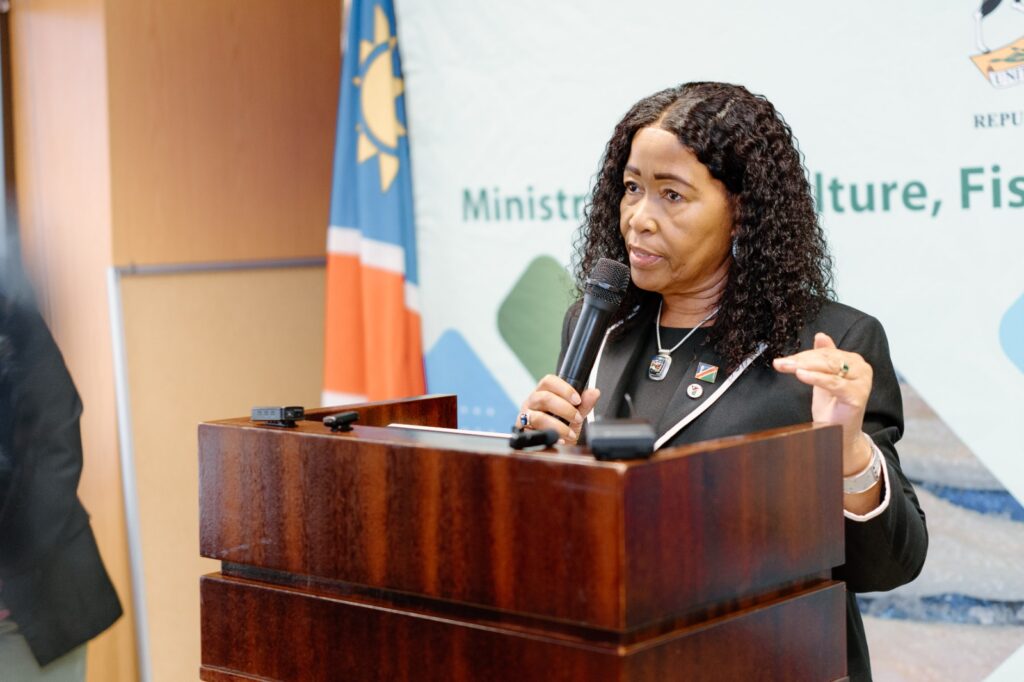
Speaking at the ministry’s 2025/26 Performance Review and 2026/27 Planning Workshop on Monday, Zaamwani said addressing staffing shortages was critical to improving efficiency and ensuring the ministry meets its strategic targets.
“I would therefore like to highlight several key deliverables that I wish to see a clear agreed way forward and timelines at the end of the workshop. The Department of Agriculture Development to fill all critical vacancies by the end of Q2 2026,” she said.
The directive forms part of a broader set of targets aimed at moving the ministry from restructuring to full implementation.
These include operationalising the Tsumis and MADI projects by September and advertising irrigable land at Neckartal Dam by July.
The ministry also plans to invite expressions of interest for green scheme projects, develop a comprehensive maintenance plan and review key legislation, including the Plant Health and Quarantine Act.
“Our priorities for agriculture and land reform remain clear. Under key programmes for 2026/27, we are expected to expand support to staple crop production through agricultural extension services, advanced green schemes and irrigation development. Similarly, we need to strengthen agricultural research and vocational training, protect animal health and livestock productivity, accelerate land reform and land management, as well as deepen policy coordination and institutional support,” Zaamwani said.
In land reform, the ministry plans to develop an ancestral land policy by October 2026, fast-track amendments to the Deeds Act, review the national valuation roll and support the approval of the Land Bill.
Government also plans to facilitate the repatriation and resettlement of Namibians returning from Botswana.
In fisheries and water resource management, the ministry aims to integrate the REDRESS programme into the mainstream commercial sector by April 2027, review the sector’s economic contribution and strengthen regulatory frameworks, including restrictions on certain fishing practices.
“With the allocation of the budget for key programmes identified, the ministry will be expected to strengthen integrated water resources management, expand bulk water infrastructure, improve access to water, sanitation and hygiene, reinforce monitoring and surveillance in fisheries, sustain scientific stock assessments, operationalise key policies and governance tools in the blue economy, as well as promote aquaculture and inland fisheries development,” she said.