The Ministry of Environment, Forestry and Tourism (MEFT), in partnership with the German Federal Ministry for Economic Cooperation and Development (BMZ) through KfW Development Bank, has commissioned infrastructure upgrades worth N$166 million across Etosha, Hardap and Bwabwata national parks.
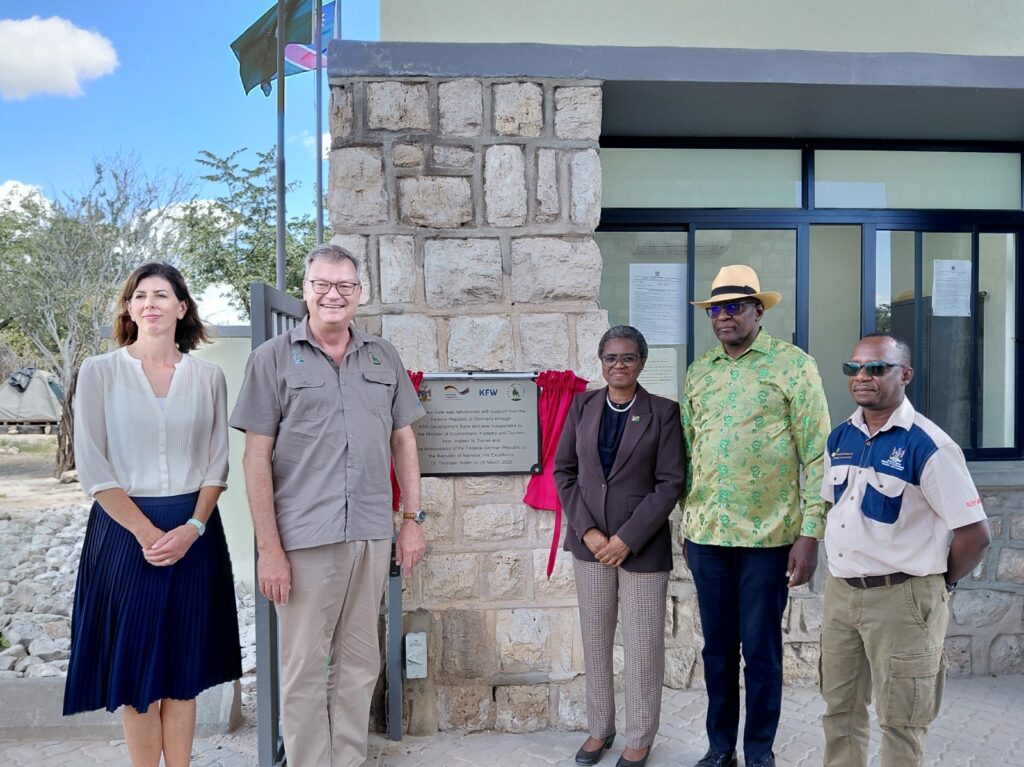
The developments, handed over at Ombika in Etosha National Park on 28 March 2026, include upgraded park gates, comfort facilities and Wildlife Protection Services duty stations aimed at strengthening conservation and improving visitor experience.
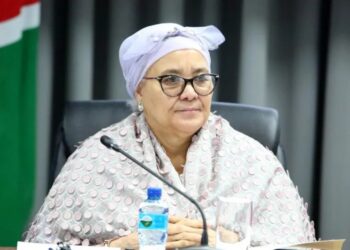
Environment Minister Indileni Daniel said the investment reflects a broader commitment to safeguarding Namibia’s conservation economy.
“Today we are not simply opening new gates or unveiling new facilities, we are celebrating resilience, solidarity, and a shared vision for Namibia’s future,” she said.
The projects were co-funded by the Namibian government and Germany, underlining a long-standing partnership focused on conservation and sustainable tourism.
Daniel said the support from Germany, particularly during the COVID-19 pandemic, helped sustain conservation operations at a time when tourism revenues collapsed.
“These investments carried us through one of the most challenging chapters in our nation’s history, ensuring that our parks remained protected, our rangers remained on duty and our wildlife remained safe,” she said.
Funding for the upgrades forms part of broader programmes, including the NamParks V project and the Integrated Wildlife Protection Project (IWPP). Under NamParks V, N$195 million was allocated through a COVID-19 support facility to maintain park operations, while the IWPP, launched in 2021 with N$210 million, includes N$95 million earmarked for infrastructure such as ranger stations in Etosha and Bwabwata.
Daniel said the upgrades are expected to enhance both conservation outcomes and tourism value.
“Across Etosha, new comfort stops, modern signage and improved visitor facilities enrich the experience for travellers, while similar upgrades at Hardap and along our coastlines are positioning Namibia’s protected areas as world-class destinations,” she said.
She urged stakeholders to ensure the long-term maintenance of the infrastructure.
“It is now our collective responsibility to protect these assets and ensure they endure as a legacy for future generations,” she added.
German Ambassador to Namibia, Thorsten Hutter, said the investment reflects the depth of cooperation between the two countries.
“This event represents another milestone in the longstanding partnership between Namibia and Germany. For 36 years, development cooperation has focused on key areas, with natural resource management remaining a core pillar,” Hutter said.
He added that the infrastructure upgrades will strengthen anti-poaching efforts, improve park management and enhance the tourism offering.
The latest investment comes as Namibia continues to position its conservation sector as a key pillar of economic growth, balancing biodiversity protection with tourism development.