Minister of Environment, Forestry and Tourism, Indileni Daniel, says Namibia’s communal conservancies earned N$292.5 million from hunting activities between 2013 and 2024, compared with N$166.3 million generated through joint venture tourism during the same period.
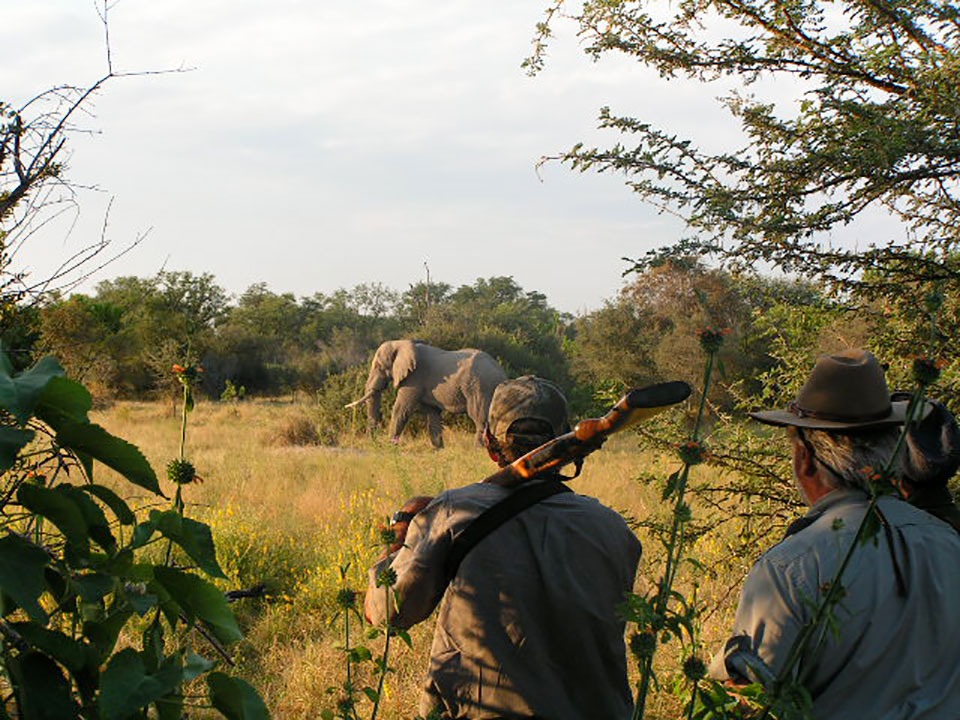
Addressing Parliament, Daniel said conservation hunting forms a key component of Namibia’s integrated strategy for sustainable development and wildlife conservation.
According to the minister, communal conservancies generated N$166,360,265 through joint venture tourism over the 11-year period, while hunting contributed N$292,546,310 to community revenues.
Daniel explained that the hunting model generates significant income despite relatively low visitor numbers, while photographic tourism typically attracts higher visitor volumes but produces lower income per visitor.
“These revenues remain within the communal conservancies and among farmers. One must also take into account the indirect revenue benefits to other businesses such as taxidermists, lodges, fuel stations, curio shops and restaurants,” she said.
She added that hunting quotas are determined using scientific data to ensure sustainable wildlife management.
“To ensure sustainability, offtake quotas are determined using the best available information on specific species and populations. This includes population estimates, age and sex structure, population trends, as well as prevailing environmental conditions,” Daniel said.
The minister also warned that increasing pressure from international anti-hunting advocacy groups seeking to ban trophy hunting poses a threat to Namibia’s communal conservancy programme and the country’s broader conservation efforts.
According to Daniel, such pressure conflicts with Namibia’s policy of sustainable utilisation of natural resources.
“Namibia will continue to oppose these pressures; however, it is imperative that our practices remain beyond reproach,” she said.
She added that the quota-setting process for conservancies and national parks was critically reviewed and revised in 2018 in consultation with stakeholders to strengthen oversight and ensure sustainable wildlife management.