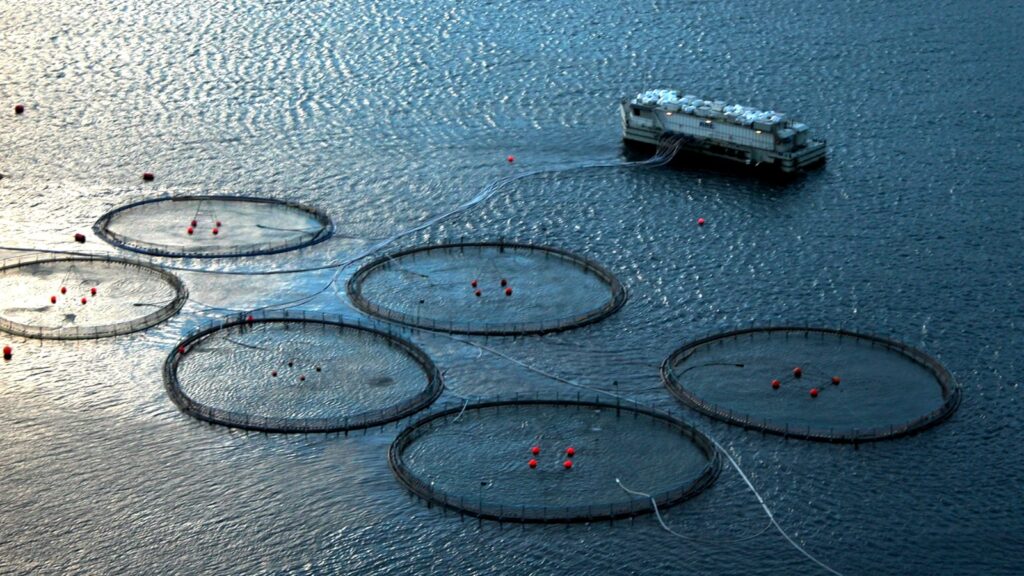
The development of Namibia and Africa’s first industrial salmon farm is expected to strengthen the country’s blue economy, create jobs and boost export revenues.
This was highlighted by Deputy Minister of Agriculture, Water, Fisheries and Land Reform, Ruth Masake, during her keynote address at the “Unlocking Namibia’s Salmon Industry: An Opportunity for Industrialisation” forum.
According to the Deputy Minister, Namibia’s rich marine resources, stable governance and investor-friendly policies provide a strong foundation for pioneering Africa’s first large-scale salmon farming industry.
“Namibia’s cold Benguela Current system, stable governance and investor-friendly policies provide a competitive advantage. If properly structured, salmon aquaculture can become a catalyst for the expansion of Namibia’s industrial base, driving manufacturing, feed production, logistics, packaging, research and technology development. Salmon aquaculture goes beyond fish farming; it is about building an industrial ecosystem,” she said.
Masake explained that, unlike wild-caught fish, aquaculture enables controlled production, improved biosecurity management and predictable output. This, she noted, can reduce dependence on fluctuating wild catches, enhance domestic protein supply and strengthen climate-resilient food systems.
Sustainability, she added, remains central to the initiative, with strict adherence required to international standards on water quality, waste management, biodiversity protection and energy efficiency.
She further emphasised that women and youth must be placed at the centre of the industry’s development, supported by policies and financing mechanisms that promote youth-owned enterprises, technical training, research and increased participation of women across the value chain.
“As climate change and overfishing place pressure on wild fish stocks, aquaculture is increasingly becoming a sustainable solution to global seafood demand. Industrial salmon farming allows controlled production, biosecurity management and predictable output,” she said.
The development of Namibia’s salmon industry is expected to generate demand for engineers, marine biologists, environmental specialists, logistics experts, quality controllers, marketers and entrepreneurs.
“Industrial salmon farming will require engineers, marine biologists, environmental specialists, logistics experts, quality controllers, marketers and entrepreneurs. This presents an opportunity to close unemployment gaps and build a new generation of skilled professionals. If structured inclusively, this industry can become a platform for economic empowerment and gender equity,” Masake said.